Jakarta, for the first time President Yudhoyono criticizes Islamists

After the incidents of Patehan, where the with population forced out extremists of the Islamic Defender Front, the leader intervenes in Jakarta: "Islam does not allow political or religious violence." But civil society retorts: "Too little too late, this is an instrumental move to help his political career."

by Mathias Hariyadi

Jakarta (AsiaNews) - For the first time in nine years in power, the Indonesian President Susilo Bambang Yudhoyono has openly criticized the Islamic Defender Front (FPI), an extremist group that seeks to achieve the introduction of sharia (Islamic law) throughout the country. The Muslim faith, he said at a dinner with the orphans of the capital, "does not allow its followers to carry out attacks and violence against other people or against their property.

Indonesian civil society has always accused the president of being "unable" to stop the violence against religious minorities perpetrated by the FPI. Yudhoyono's words followed the latest case which involved the group: "Islam is not a religion based on violence, it does not allow its members to be violent and does not allow its followers to take the law into their own hands. "

In recent days, a group of FPI militants was forced to seek refuge in a mosque in Patehan after the people - angry for their constant provocations and for a car accident caused by fundamentalists in which a woman died - mobilized to drive them out by force. Only the intervention of the police prevented a lynching.

The president's declaration has not convinced social media. Internet users have called Yudhoyono's words "instrumental to his political career, an attempt to manipulate events to his own benefit and advantage" and pointed to the politician that a similar intervention "should have been pronounced years ago."


 

Sections

Asia Today
Ecclesia in Asia
Indian Mandala
Red Lanterns
The Gateway to the East
The Russian World
Road to Seoul

See also

  • Abp. Mourad: Christians face discrimination in al-Sharaa’s Syria

    Speaking to AsiaNews, the Archbishop of Homs describes a country where little has changed since Assad’s fall, with increasing Islamisation and the breakdown of the social fabric. He highlights the example of courageous young Christians and Muslims working to support the most vulnerable. Mar Musa stands as a beacon of hope, stability and refuge for all.

  • Quetta: Religious leaders reiterate shared rejection of terrorism

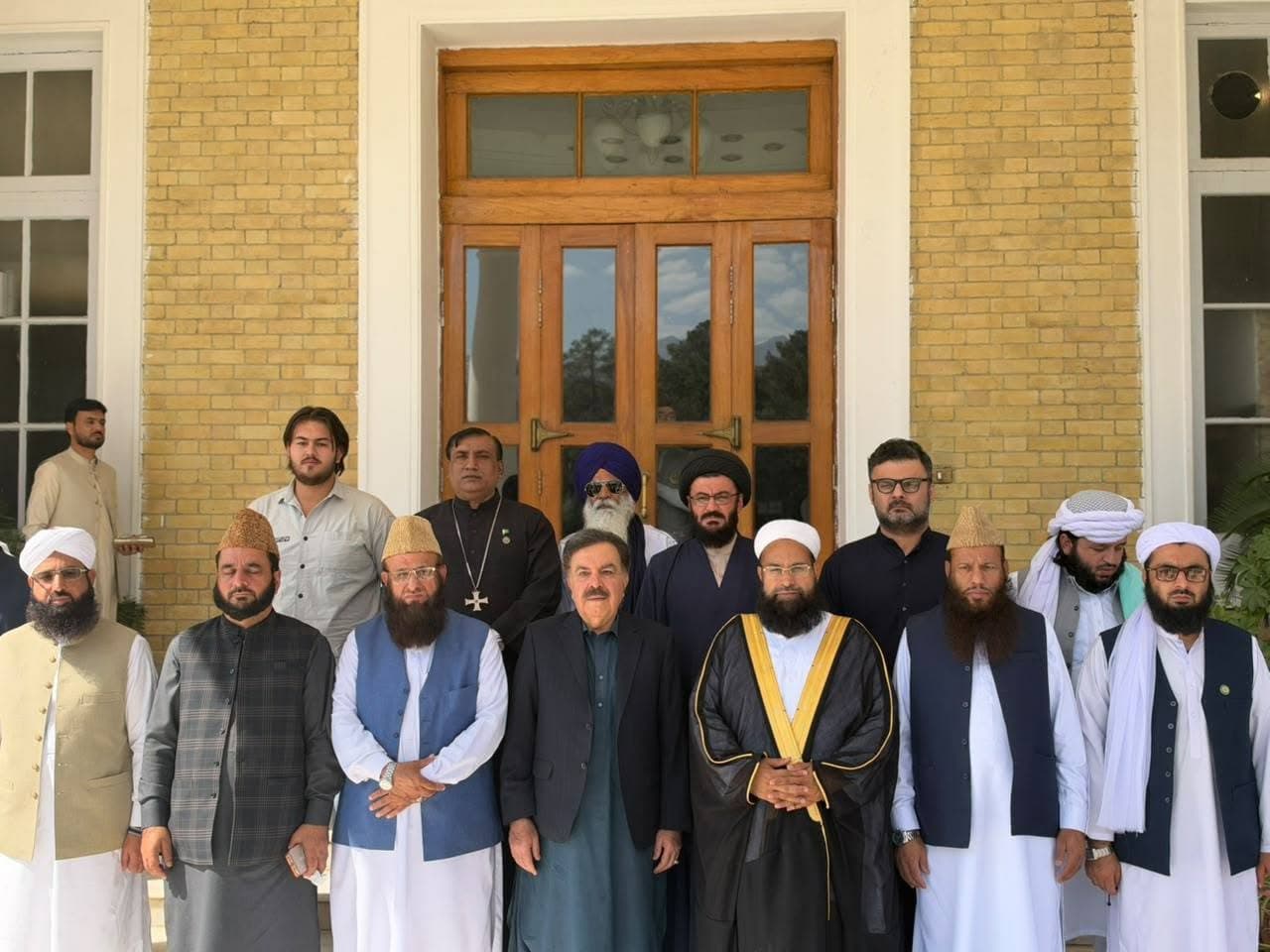
    Muslims, Christians, Hindus, and Sikhs have reaffirmed their commitment to the Paigham-e-Pakistan national declaration, amid the serious crisis in Balochistan. They condemn suicide attacks and sectarian violence, which have no religious justification, call for the protection of minorities, as well as for mosques to serve as spaces of tolerance.

  • Father Baqain: In Karak, people want a Christianity without fear

    The Melkite parish priest highlights the long-established coexistence with Muslim neighbours in Hmoud, where the attack took place, and of the grief shared by sister communities, now united in these days of sorrow. A direct attack on Christians raises questions about the future. The clergyman also looks at poverty and hardships in Jordan’s remote areas, far from Amman.

AsiaNews Weekly
News from Asia that matters

Subscribe to the newsletter to receive verified news, analysis and insights from Asian countries every week.

Subscribeto the newsletter
  • P.I.M.E. Centro Missionario
  • Agenzia Fides
  • P.I.M.E. Brasil
  • Radio Mondo
  • Mondo e Missione
  • P.I.M.E. U.S.A.
  • TV 2000