Riyadh (AsiaNews) – Active internationally in the pursuit of stability in a war-torn Middle East, Saudi Arabia at home continues to target and repress those who fight for individual rights and freedoms, especially women.
The past two years are proof of that. During this period, Saudi courts have “convicted and sentenced individuals to lengthy prison terms following grossly unfair trials solely for exercising their rights to freedom of association and expression, including online on X (formerly Twitter),” this according to a joint press release by Amnesty International and ALQST, a UK-based Saudi human rights organisation.
The two organisations denounced the “intensified crackdown” on dissent and critical voices defending democratic freedoms, starting with the latest case, the 11-year prison sentence inflicted on activist Manahel al-Otaibi.
For the two NGOs, the brutal campaign of repression affects anyone expressing even the slightest criticism online in the kingdom, and has been getting worse lately as tensions rise in the region. Overall, expressing dissent in the Saudi kingdom is prohibited.
In their joint statement, Amnesty and ALQST note that “Saudi courts have convicted and handed down lengthy prison terms on dozens of individuals for their expression on social media,” mostly ordinary people targeted by a Specialised Criminal Court set up in 2008 to deal with terrorism-related cases, whose verdicts rarely elicit any comments from Saudi authorities.
In addition to Manahel, who was convicted of unspecified terrorism charges because she called for an end to male guardianship and the female dress code, another recent case involves Nourah al-Qahtani, who was arrested in July 2021 for posts on Twitter (now X).
The mother of five must serve 45 years in prison (the lower court sentence of six and a half years was boosted on appeal) for criticising the government and for other posts in which she warned that people involved in protests could be arrested.
The court found al-Qahtani guilty of using social media "to challenge the religion and justice" of King Salman and his son, Mohammad bin Salman, the kingdom’s de facto leader.
In appeal, she was also convicted of encouraging “the activities of those who seek to disturb public order and destabilise the security of society and the stability of the state”.
Salma Al-Chehab, was arrested in January 2021 while on vacation home. A minority Shia in the country that is the cradle of Sunni Islam, the then 34-years-old was pursuing a doctorate at Leeds University, UK.
A year and a half later, in August 2022, she was sentenced to 34 years in prison for helping dissident groups “disrupt public order” by relaying their tweets.
The mother-of-two, who posted mostly information about women's rights and had several thousand followers, was also banned from leaving the country for 34 years after serving her sentence. Both sentence and travel ban were reduced to 27.
Mohammad al-Ghamdi, a critic of the regime who posted allegations of corruption and human rights violations on social media, was arrested in June 2022 and sentenced to death a year later.
According to his brother Said al-Ghamdi, an exiled activist, the accusation was based at least in part on publications that criticised the government and expressed support for "prisoners of conscience," such as religious leaders Salmane al-Awda and Awad al-Qarni.
Last year, Human Rights Watch (HRW) reported that court documents it reviewed say that, according to the court, Ghamdi had “targeted the status of the King and the Crown Prince"
HRW goes on to cite the same source, indicating that the “magnitude of his actions is amplified by the fact they occurred through a global media platform, necessitating a strict punishment.”
In September last year, the crown prince criticised the sentence, hoping Ghamdi would not be executed.
In freeing the country from dependence on oil, the basis of his "Vision 2030" programme, Crown Prince Mohammed bin Salman touched, albeit carefully, the radical bases of the Muslim faith and the country’s social life.
The reforms introduced in 2019 have had a major impact on social life and people’s rights. This includes allowing women to drive and go to stadiums (under certain conditions), strengthening the entertainment industry, and promoting new technologies, as well as affecting the religious sphere with a gradual move away from Wahhabism.
Yet, the arrests of high-ranking officials and businessmen, the crackdown on activists and critical voices, and the Khashoggi affair have raised questions about how real the changes are.
One notion that is missing from the overall picture is religious freedom.
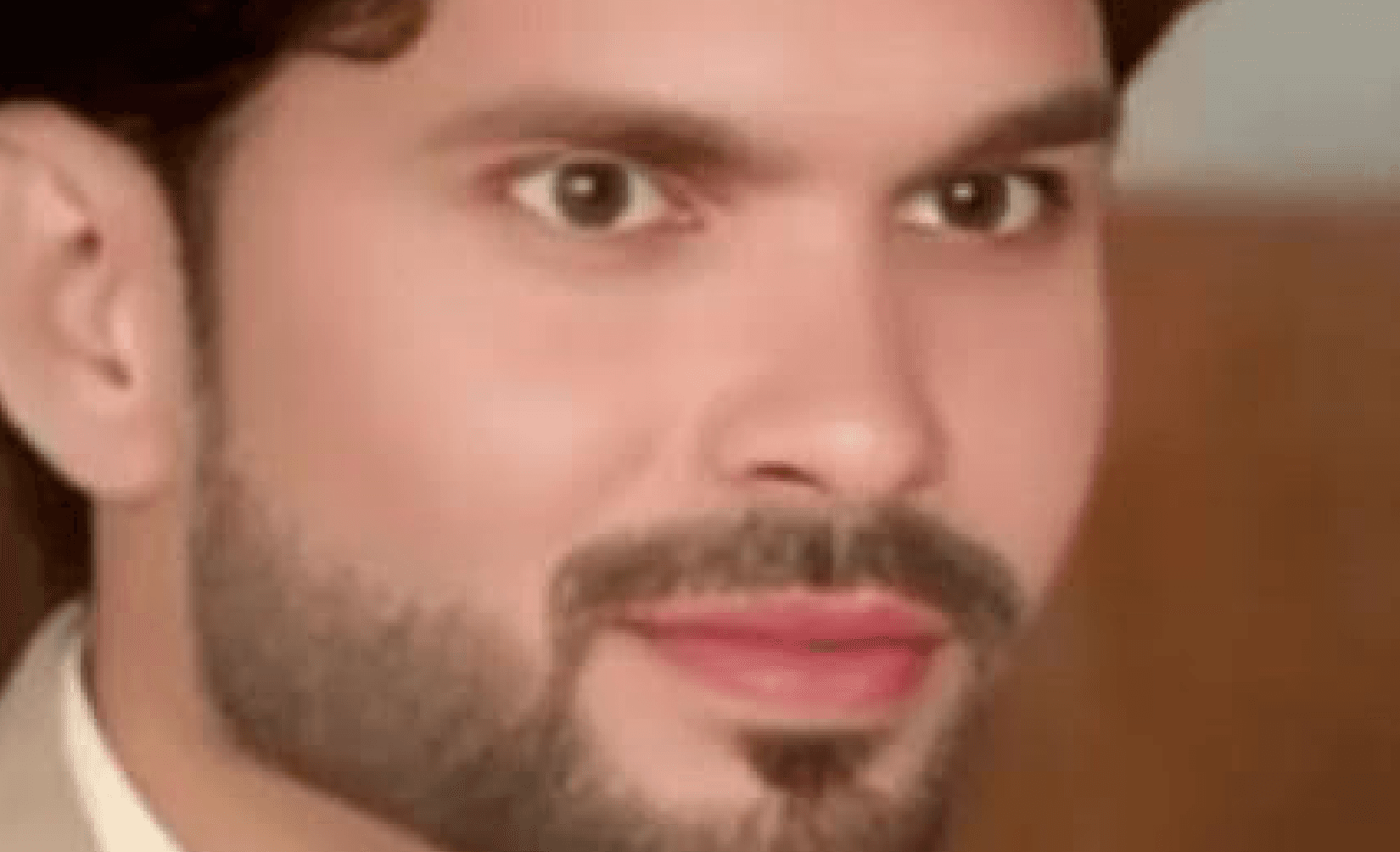
(Photo: Activist Manahel al-Otaibi, Amnesty International)