The clash over reforms and Ukraine’s future
What will happen to Kyiv’s economy when the war ceases to be the main obstacle, whilst its consequences – labour shortages, destroyed infrastructure, the need for capital and security risks – remain?

What will happen to Kyiv’s economy when the war ceases to be the main obstacle, whilst its consequences – labour shortages, destroyed infrastructure, the need for capital and security risks – remain?
Despite much wrangling over borders or cultural heritage in the face of tragedy, the people of Chechnya, Dagestan, Ingushetia and North Ossetia are coming together to search for the missing or raise funds for the victims of natural disasters. Because their shared history prevails over old grudges.
The Burmese army has deployed hundreds of troops to areas in the south that have been forcibly liberated. Villages have been burnt and the surrounding land sealed off. A Special Economic Zone (SEZ) backed by Moscow is planned for the area. A fighter jet raid struck a monastery in Sagaing, killing 14 civilians.
The taiga is burning beyond the Urals, the rivers in Tyumen and the Moscow region are full of dead fish, and there are oil spills in the Russian part of the Black Sea. Meanwhile, a large-scale investigation has identified 1,497 people accused of treason and espionage in Russia for actions linked to environmental protection.
On the anniversary of the 2008 Five-Day War, Russia has renewed its offer of “mediation” regarding Abkhazia and South Ossetia. The parties have limited political channels, but trade and transport links are fully operational. The leadership of the Georgian Dream party is aiming to rebuild bridges.
The UN-sponsored Conference of the Parties, attended by 196 countries, has got underway in Ulaanbaatar. Soil degradation and drought currently affect 40 per cent of the world’s land area and cost at least 300 billion dollars annually. Mongolia (and its pastoral sector) is one of the hardest-hit regions.
The closer we get to Russia’s parliamentary election on 20 September, the more thoroughly the authorities flaunt their authoritarianism. And the most paradoxical aspect of this story is that both the government and the opposition, including the liberals of the Yabloko party, are actively taking part in the game.
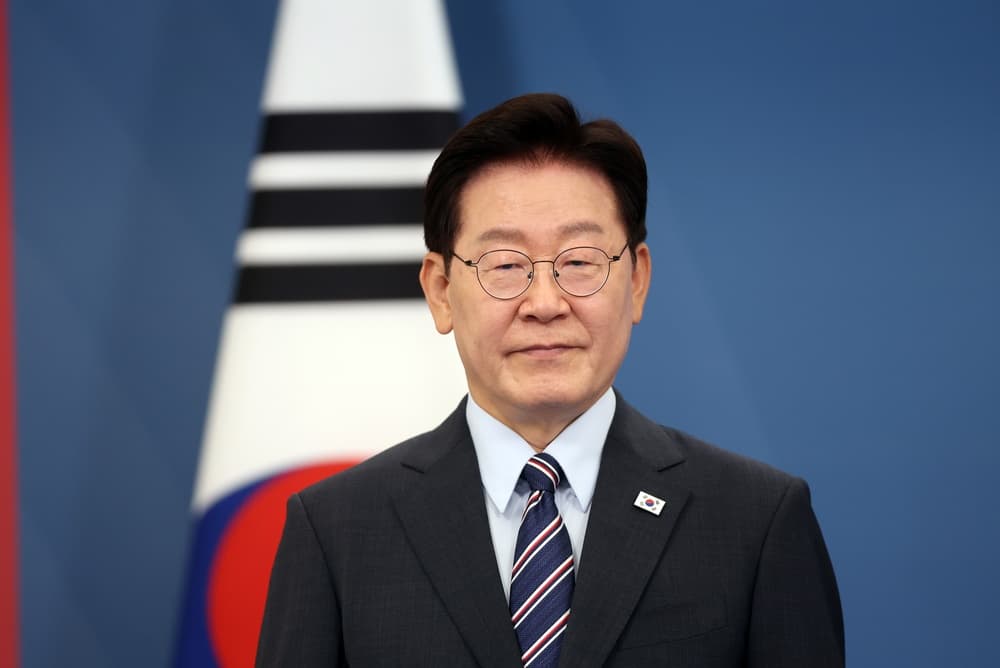
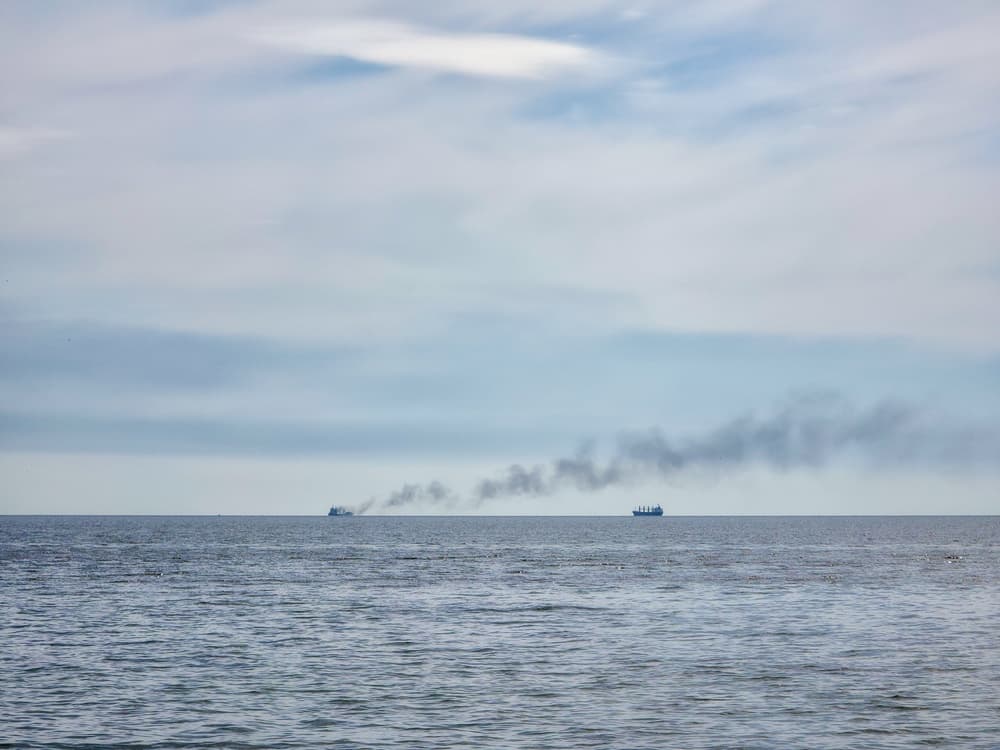
The Sea Legend Shipping Company will inaugurate the first regular container service via the Northern Sea Route. South Korea is following with a trial voyage. The thawing Arctic and the difficulties affecting traditional routes are making the arctic more attractive. But ice, costs, sanctions, and security are limiting commercial ambitions (for now).
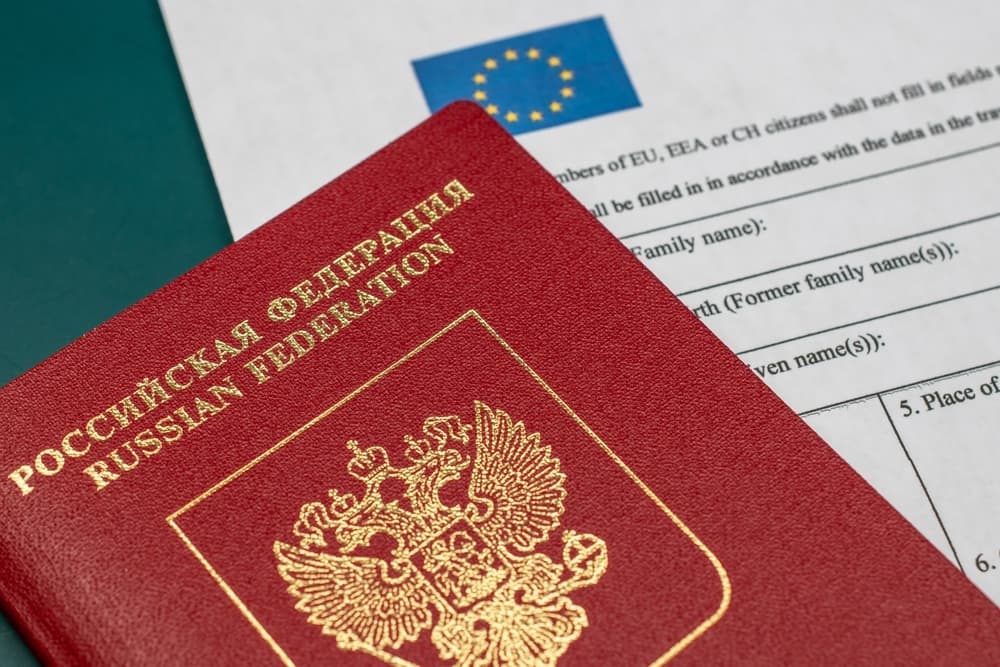
The Russian government has approved a quota of 279,000 permits for foreign workers for 2026. Last year, more than 90,000 highly skilled immigrants were employed. Asia is the main source of skilled workers in Russia; however, very few wish to settle in the country.
With permafrost thaw reaching 70 cm in 2023, up to 80 per cent of buildings in the Arctic began to deform. The agricultural sector could benefit though, turning polar regions into a new breadbasket. Beyond the slogans, unresolved issues remain: flooding, soil degradation, and unpredictable changes.
Russian news agencies ignored the C-6 summit in Kyrgyzstan, which showed participants’ willingness to protect their economic interests from Western sanctions and ensure the functioning of the Middle Corridor. Meanwhile, the dynastic nature of power is being legitimised.
For several centuries, the Orthodox Church in Kyiv and Moscow dated the Baptism of Rus' to 1 August 988, the feast of the Merciful Saviour and the Most Holy Theotokos, the day in which water was to be blessed in memory of the “Source of the Dnieper”. The idea of linking the holiday to the memory of Vladimir arose in the context of the ecclesiastical and political intrigues of 2008.
The Moscow Duma is openly discussing the possibility of relocating 200,000–300,000 citizens living in the ‘liberated’ territories of the Donbass – which are now uninhabitable – to the Far East or Siberia. This is in keeping with the Russian-Soviet system, which throughout its history has displaced vast numbers of people to suit its own needs.
Subscribe to the newsletter to receive verified news, analysis and insights from Asian countries every week.
Subscribeto the newsletter