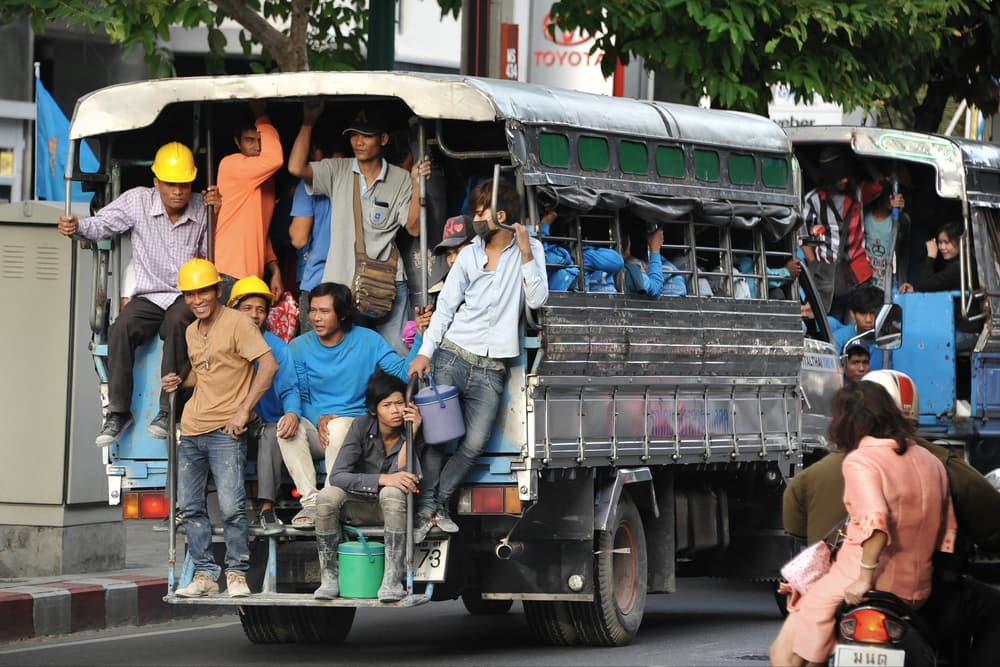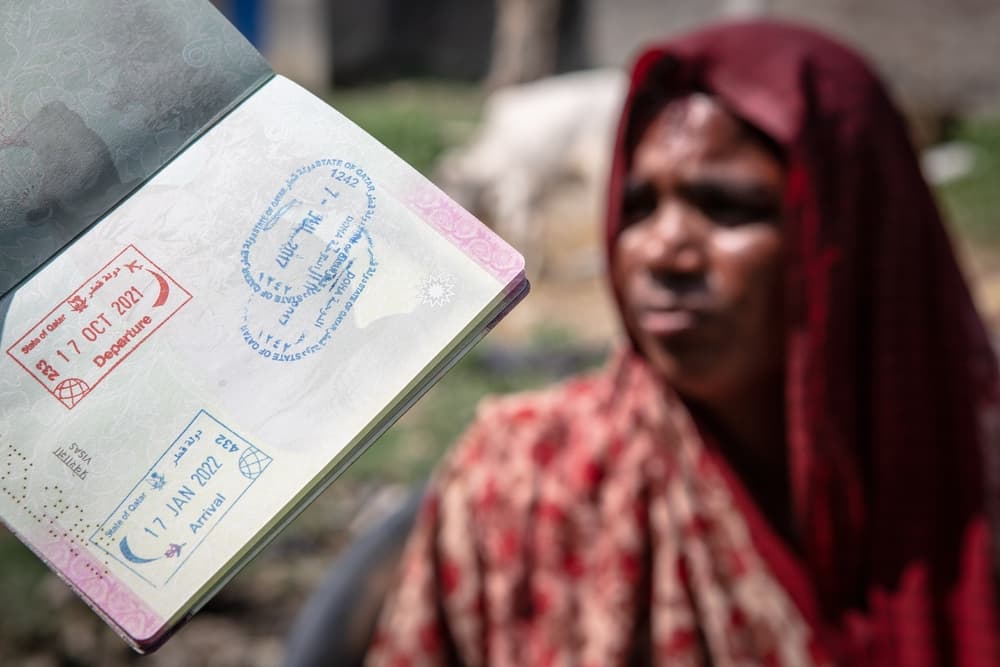
Bangkok (AsiaNews) - A consistent but little-known reality, there are many thousands of workers who migrate from Thailand permanently or periodically to the Scandinavian countries to pick berries, especially blueberries.
Often finding themselves victims of exploitation and abuse 13 thousand kilometers from home. It is estimated that in the last decade over 110 thousand Thai citizens have left especially for Sweden and Finland, attracted by the promise of high wages and good working conditions to often find themselves exploited and trapped by debt, far from their families, in remote regions actually located in strangers to them.
Sources from organizations dedicated to the protection of workers indicate that in 15 years ten billion baht (equivalent to almost 260 million euros) have been stolen from migrants in favor of unscrupulous intermediaries and berry producers.
This reality thas gone largely unnoticed in public opinion in the country of departure and in those of arrival, which has worsened further since, after the producers' attempt to "import" Chinese and Vietnamese labor failed due to the reaction of the governments.
They have thus resumed "privileging" the Thais, who are more easily manipulated due to the lack of protection, the strong needs and also the pressures that usually push many families, especially in the agricultural areas of the North-East, into debt and to allow themselves to be persuaded to migrate without adequate guarantees. , with the mirage of compensation of around 2,000 euros per month.
A necessity and a dream exploited in many cases by organizations and touts in the area who bind migrants in a debt trap by convincing them to pay large sums in advance, often by unscrupulous lenders and thus exposing them to exploitation and the acceptance of terrible salary and of employment once you arrive at your destination.
A situation highlighted by worker-activists such as Praisanti Jumangwa, who in an interview with the Thai newspaper The Nation recounted the long periods of stay in the forests, working from dawn to dusk for harvests that were sometimes insufficient to cover the costs of food and accommodation for them , exposed to the harshness of the environment and to exploitation.
The dream of well-being often becomes the loss of the family and of all hope, while the Bangkok government struggles to intervene to remedy situations which nevertheless alleviate the high unemployment in some regions and involve countries with which the Kingdom of Thailand has consolidated relations and which, in turn, they "export" tourists necessary to support one of the country's major economic activities.