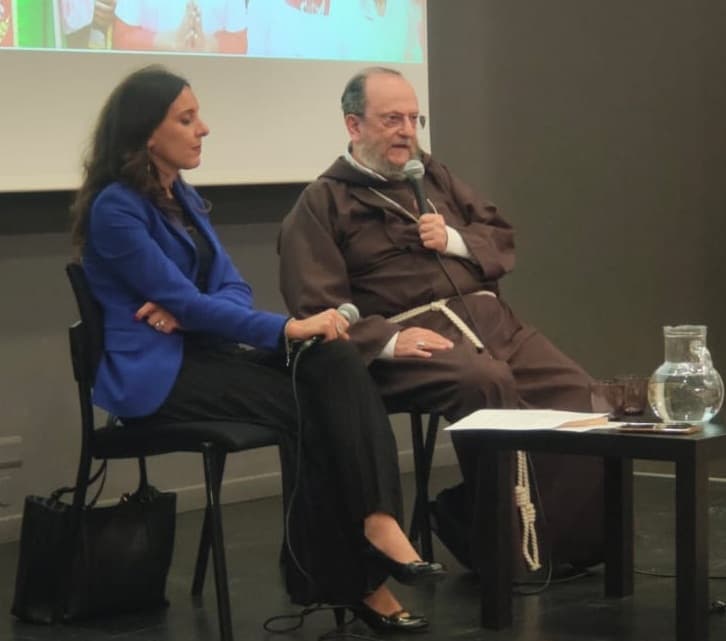
Baghdad (AsiaNews) - Eleven years after the exodus of Christians from Mosul and the Nineveh Plains on August 6, 2014, following the rise of the Islamic State (IS, formerly ISIS) with its toll of death and destruction, “anxiety and obsession” with migration “continue to grow” in the absence of rights and security. This is what the Chaldean primate of Baghdad, Cardinal Louis Raphael Sako, writes in a message published on the patriarchate's website and sent to AsiaNews on the eleventh anniversary of the expulsion of Christians from the Nineveh Plains. It is a tragedy still fresh in the memory, while persecution at the hands of “militias” that “engage in extortion, harassment, intimidation, and the seizure of parliamentary seats” remains a reality. This is a reference to groups linked to self-proclaimed Christian leaders, against whom the cardinal himself has fought repeatedly. During Mass celebrated on August 6 in St. Joseph's Cathedral in Baghdad, the cardinal recalled the meaning of the Transfiguration on Mount Tabor, asking the faithful to pray for peace.
The cry of alarm launched by the Chaldean patriarch is certainly not isolated, even if it too often seems to fall on deaf ears. In recent days, Chaldean, Assyrian, and Syriac leaders have recalled the “genocide” that “uprooted” nearly half a million indigenous Christians from the region, calling for formal recognition of the atrocities and urgent action by the international community to safeguard the existence of a people. Although the Iraqi Parliament has officially recognized the crimes of ISIS, no formal steps have been taken to return Christians to their land, while the risk of new religious persecution by the Islamic State or other groups remains. To avert further tragedies and preserve Christian life and culture in the region, there needs to be awareness on the part of the state, which is called upon to guarantee security. Years later, extortion, harassment, intimidation, and discrimination at the political and workplace levels are still commonplace in the Nineveh Plains and northern Iraq.
Below is Patriarch Sako's message:
On the eleventh anniversary of the drastic attack on Christians, by members of Islamic State (ISIS), resulted in displacing them from Mosul and towns of Nineveh Plain, accompanied by looting and burning of their properties, homes and Churches, the anxiety of Christians and obsession of migration continue to grow, in the absence of effective measures to protect their rights, security, and services. In addition to the seizing control of their towns in Nineveh Plain by militia groups that are practicing extortion, harassment, intimidation, as well as the abduction of their parliament quotas and governmental job opportunities.
Despite these tough challenges, Christians remain steadfast in their faith: the red letter “N” (ن) on the doors of their homes remaining etched in their memories, inspiring them to refuse injustice and bearing witness to Christ with fidelity, regardless of the sacrifices and hardship.
We call on the Government, which represents all Iraqi people, to shoulder its responsibilities of protecting this indigenous Christian population and upholding their rights. This cause is a humanitarian necessity and a national imperative, for which preserving the freedoms and rights of Christians and other minorities must be determined not by demographic considerations only, but by just and equitable measures; for they are original inhabitants of these lands, who embody a rich culture and heritage; who remain loyal to their homeland; who have played an essential role in the life of Iraqi nation in the fields of education, culture, medicine and social services; and who can still contribute to Iraq’s renaissance and progress.
Consequently, the Christian community deserve security and justice to ensure their continued presence on their land and a peaceful coexistence in tolerance, respect and harmony.
* Patriarch of Baghdad of the Chaldeans and President of the Iraqi Episcopal Conference