Iraq

Featured article

The ‘world cup’ failure of Asian teams at USA 2026

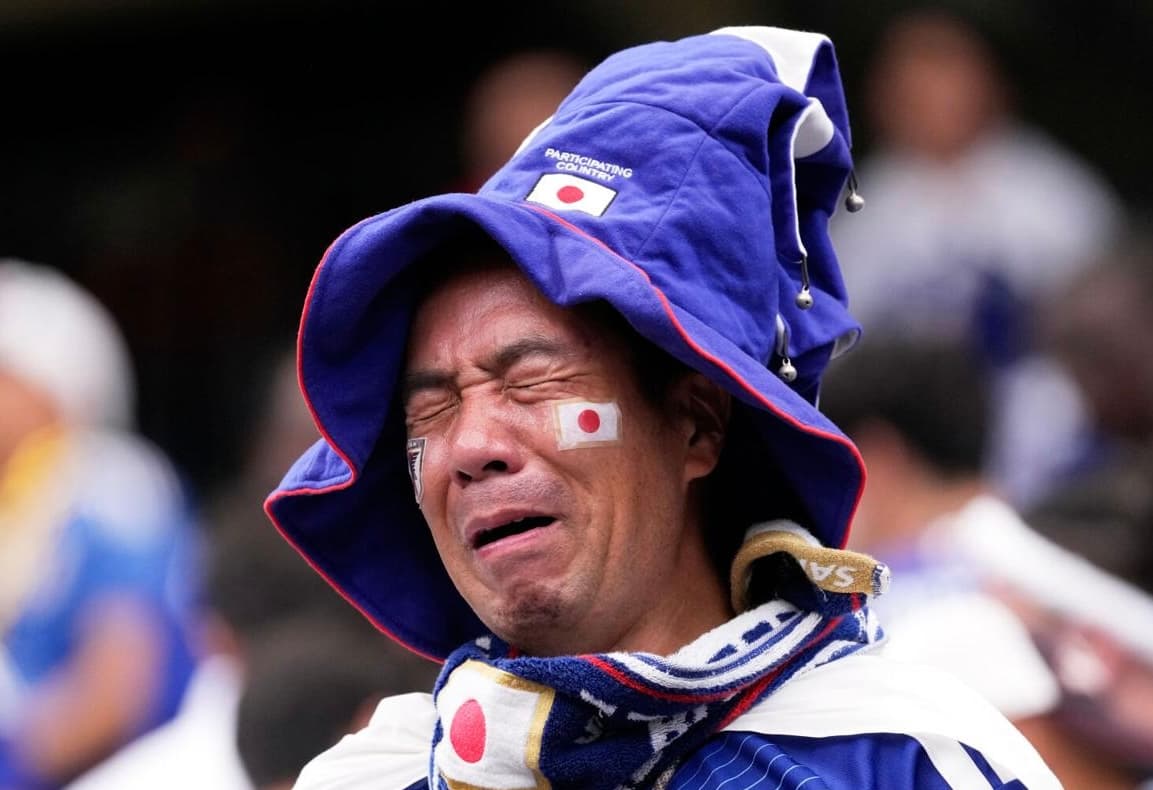
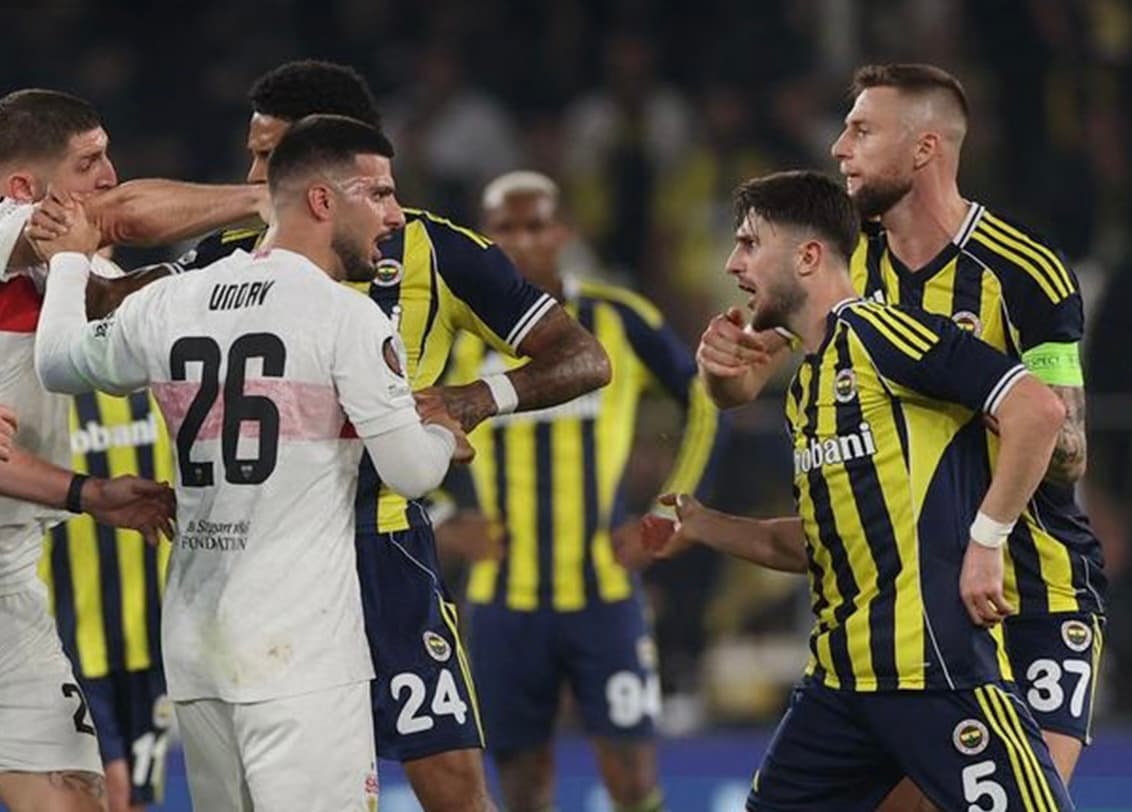
With Japan’s elimination in the round of 16 – the only team to have progressed beyond the group stage – the continent now has no teams left in the competition. The stark contrast with Africa and the wave of resignations, from South Korea to Saudi Arabia. The case of Iran, which remained unbeaten but was eliminated on goal difference (and due to hostile politics). The players’ message: “May peace and friendship prevail”.

  • Iraq: New president brings new balance between Baghdad and Erbil

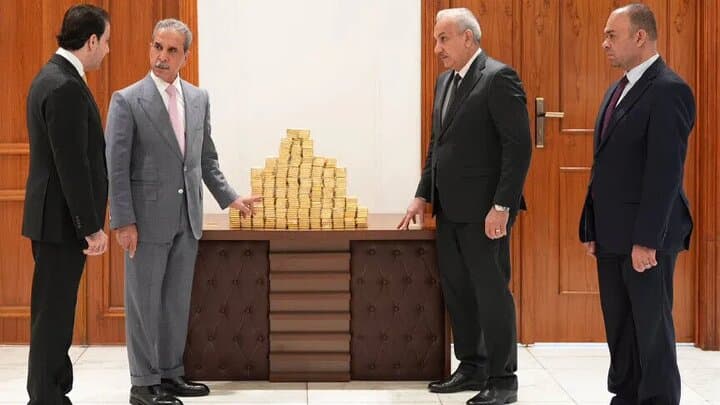
    After weeks of deadlock, Nizar Mohammed Saeed Amidi has been appointed President of the Republic. Political scientist Saad Salloum tells AsiaNews: this choice is a sign of “Kurdish fragmentation” and greater centralisation of power. For the Iraqi scholar, “pragmatism, institutional continuity and conflict management” will be the guiding principles of his four-year term.

  • Former Mosul Archbishop Nona is the new Patriarch of the Chaldeans

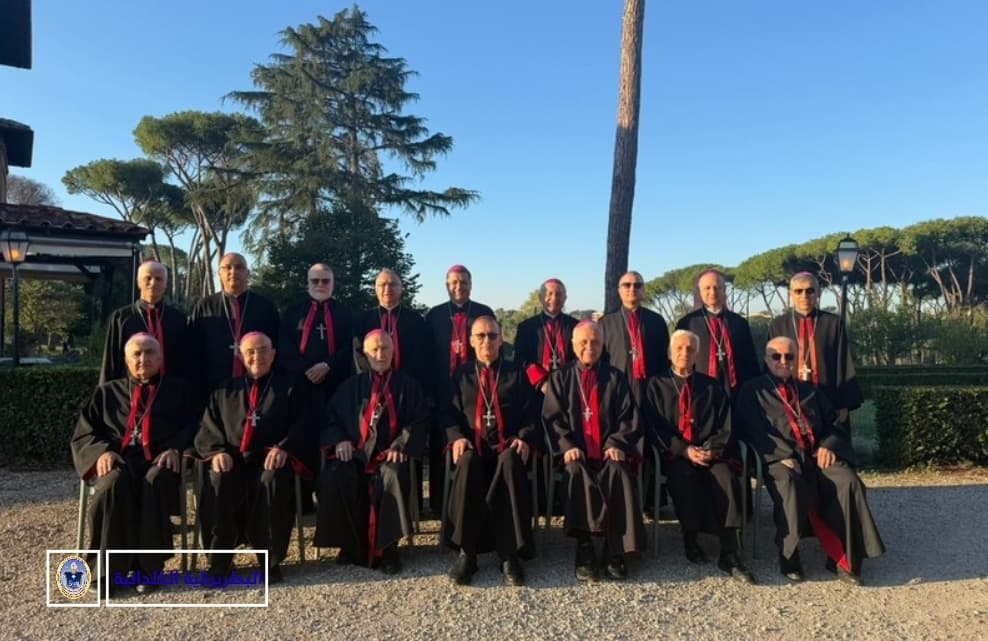
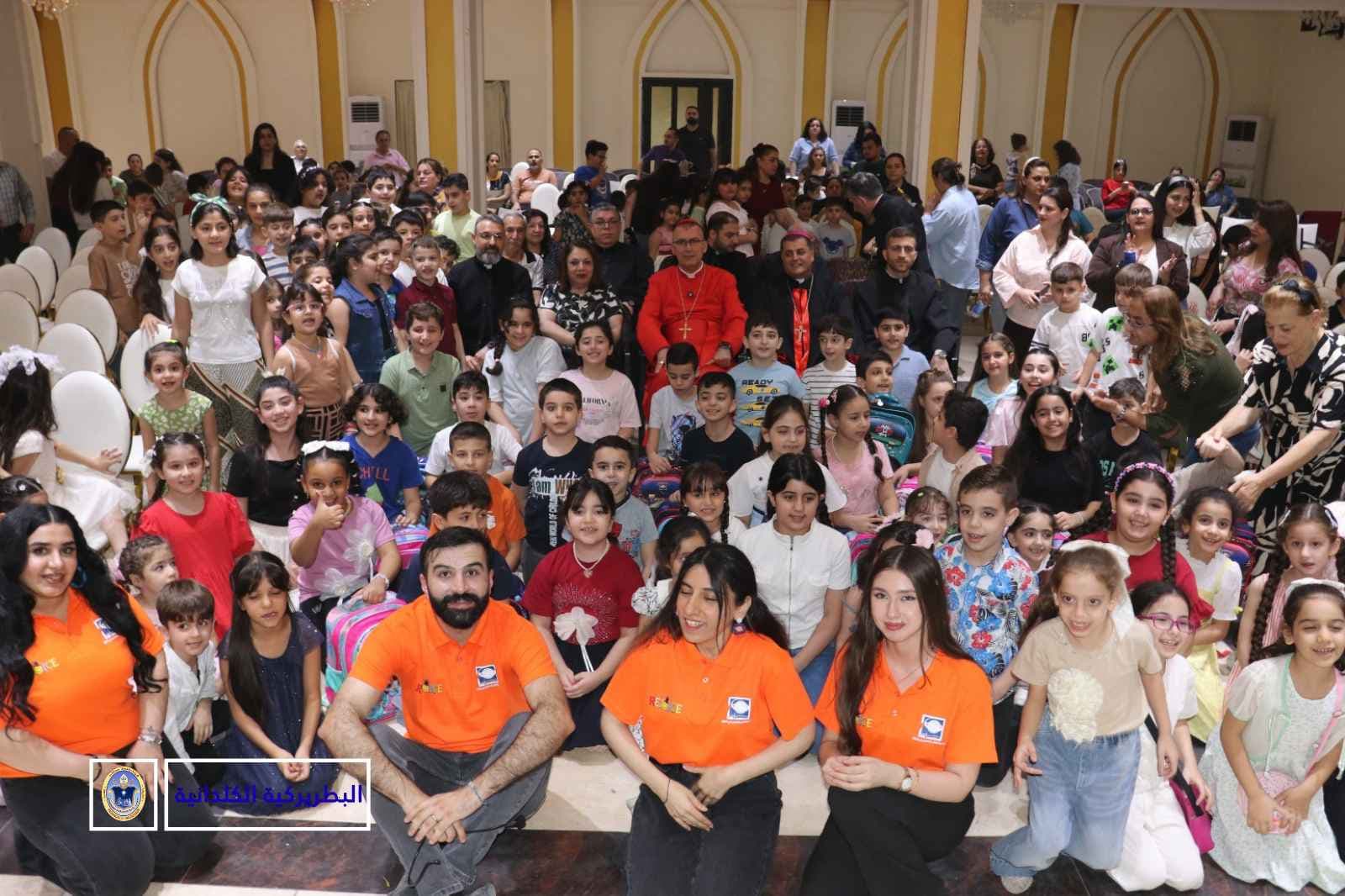
    Elected by the synod underway in Rome after the resignation on 10 March of his predecessor, Louis Sako, the new primate chose the name Paul III. The 58-year-old, originally from Alqosh, led the community in Mosul during difficult years and accompanied the communities in exile after the Islamic State takeover. He must now implement the mandate of unity among Iraqi Catholics Leo XIV entrusted to the synod.

  • Chaldean synod to pick Sako's successor to begin in Rome on 9 April

    The bishops will meet between 9 and 15 April to choose a new patriarch. The former head will not participate nor vote so as not to "influence" the decision. This ancient Eastern Church, rooted in Mesopotamia, is currently experiencing a period of difficulty due to the exodus and war. The challenges of the last decade include the Islamic State group and the revocation of the presidential decree.

  • The Gulf War: What if migrant labor were to come to a standstill?

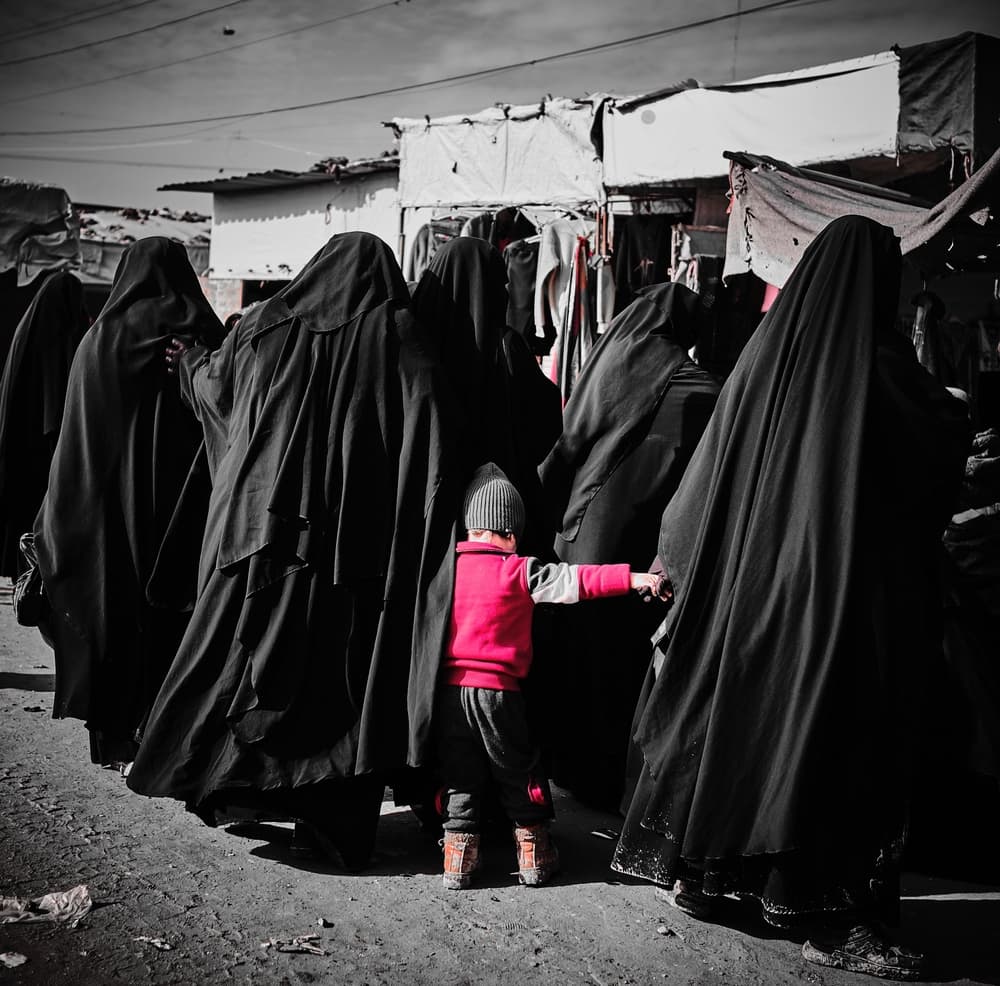
    While the world’s attention is focused on the passage of ships through the Strait of Hormuz, there is another vital “economic resource” that the war is seriously jeopardizing: the labor of nearly 40 million foreign workers, who make up the majority of the population in many local cities. A prolonged crisis, with a massive wave of returns, would also have serious consequences for the countries of origin in South Asia, Southeast Asia, and other Arab nations.

AsiaNews Weekly
News from Asia that matters

Subscribe to the newsletter to receive verified news, analysis and insights from Asian countries every week.

Subscribeto the newsletter
P.I.M.E. Centro Missionario
Agenzia Fides
P.I.M.E. Brasil
Radio Mondo
Mondo e Missione
P.I.M.E. U.S.A.
TV 2000