Articles by the author:

Andrea Ferrario

  • Beijing's new passion for science fiction

    Once classified by the Communist Party as “spiritual pollution”, this genre now generates billions of yuan in revenue and has become part of the state's cultural promotion strategy, within a clear geopolitical vision. "The Wandering Earth" and "The Three-Body Problem" are the most striking examples of Netflix phenomena. But in the background, tensions have also emerged between artistic forms and the new computing power deployed by propaganda.

  • Guangdong in crisis, the new engine of the Chinese economy now runs on the Yangtze

    Data on the performance in the first quarter of 2026 confirm the difficulties of China’s southern coastal province, which was the laboratory of the reforms initiated by Deng Xiaoping but is now suffering from the downsizing of Hong Kong and the crisis of the manufacturing sector. Jiangsu and Zhejiang are currently leading the country, with Hangzhou emerging as China's artificial intelligence hub. Meanwhile, differences between the various parts of the country are growing.

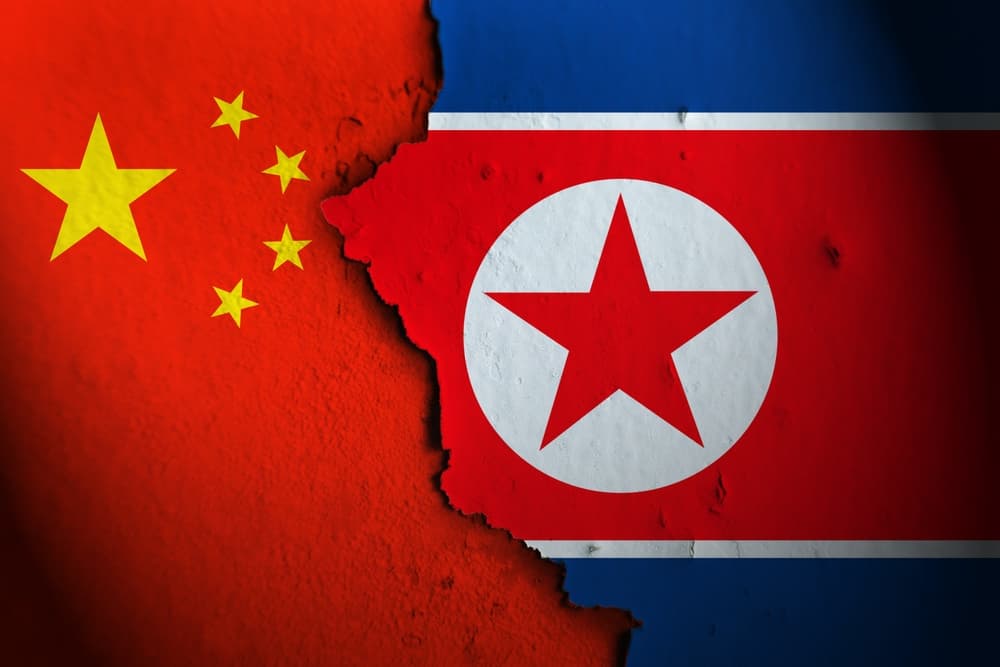
  • From Minsk to Hanoi, Kim Jong-un's new course beyond the 'rhetoric of isolation'

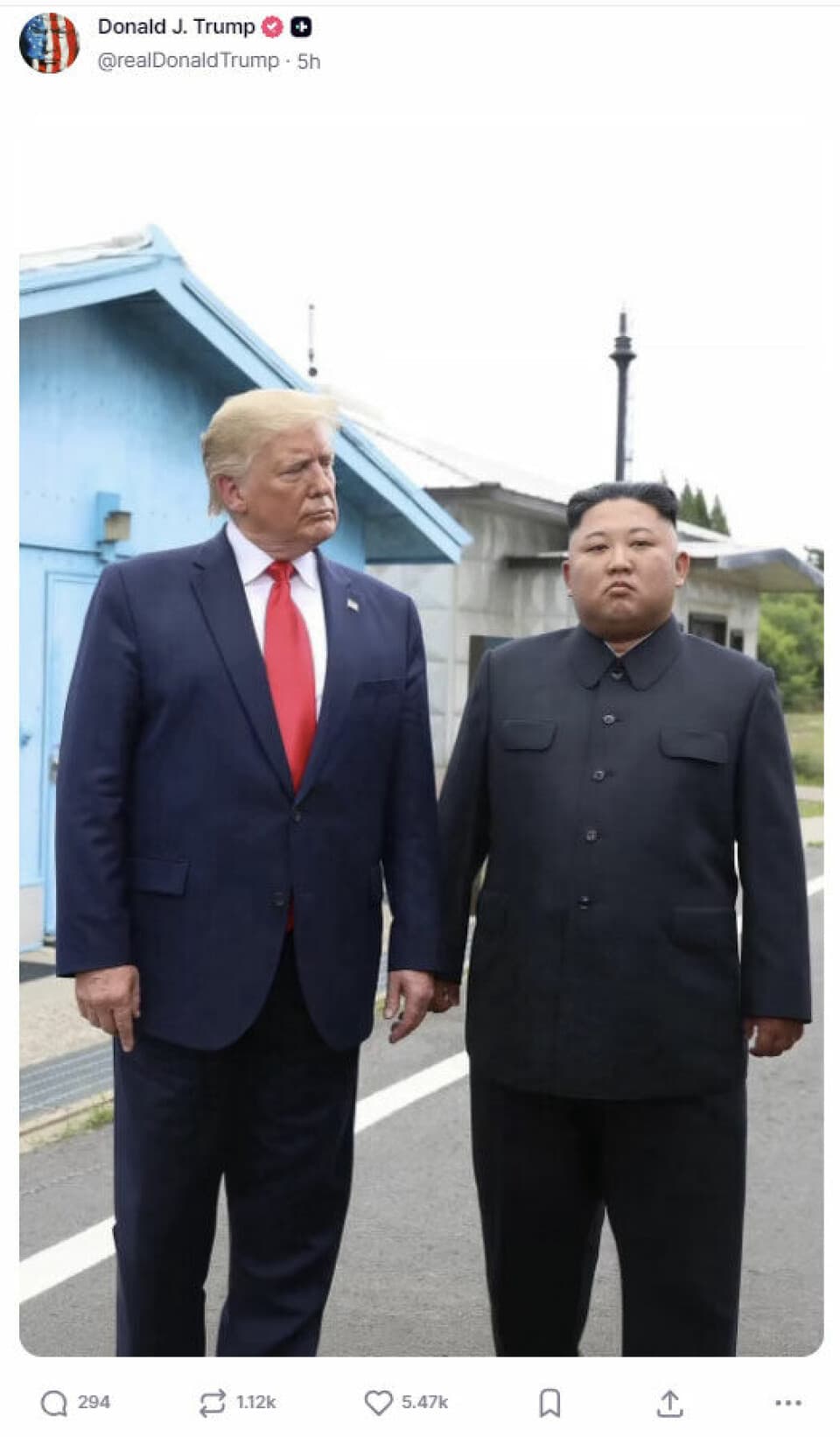
    The meeting between North Korea’s leader and Belarus’s Lukashenko marks a new course. The North Korean regime is managing its isolation as a strategic resource rather than simply enduring it. Pyongyang is choosing its interlocutors, building relationships, and using the diversification of its partners as a tool to maintain its autonomy from Beijing and Moscow with a growing focus on Southeast Asia at the expense of South Korea.

  • Hungary after Orbán: What's changing for Beijing?

    The Hungarian prime minister's electoral defeat deprives China of its main ally in the EU, with repercussions on investments, European cohesion, and relations with Taiwan. However, the new government led by Péter Magyar will have ample room to reposition itself along European lines without abandoning economic ties.

  • Seoul’s rise in the arms market amid the war in Iran

    The low costs and efficiency demonstrated by the Cheongung-II missile defence system in the United Arab Emirates are reviving South Korea’s ambitions, having more than doubled the volume of its arms exports over the last 15 years. But the conflict is also highlighting the opacity of the political agreements signed in 2009 with Abu Dhabi by then-President Lee Myung-bak.

  • From Guangdong to BYD workers in Brazil: the social protests simmering in China

    The ‘Yesterday’ observatory monitored 50 such incidents in a single month. These are fragmented initiatives, most often linked to unpaid wages. They are also fuelled by the obstacles placed in the way of the petition system, with local officials paying teams of men to discourage the submission of complaints to the relevant office in Beijing, which would cast them in a bad light. A reality that the Party prefers to hide and ignore.

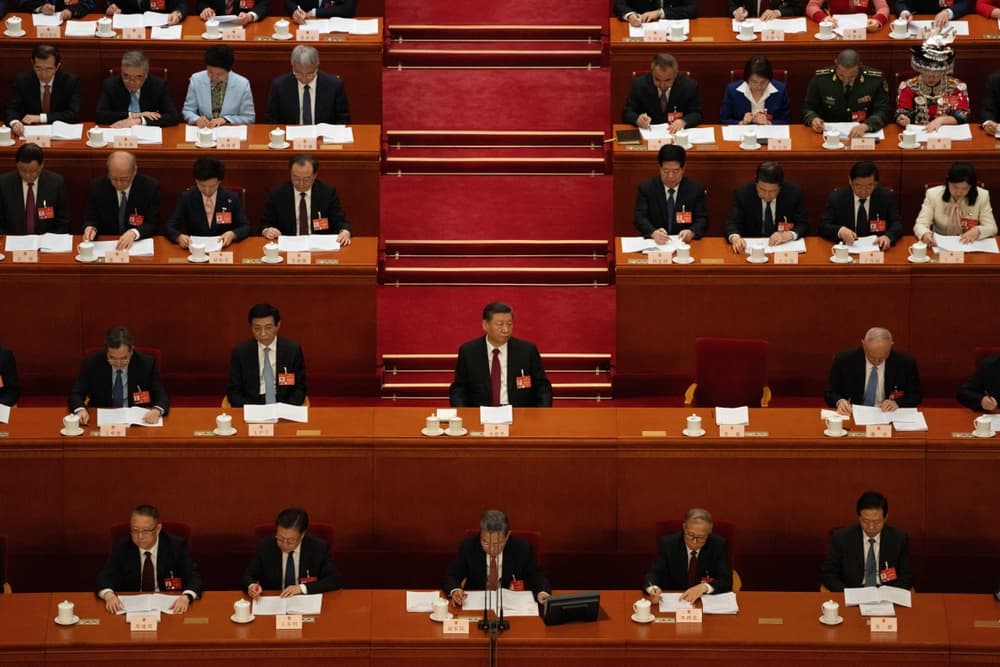
  • Two Sessions 2026: Beijing's ambitions and weaknesses today

    Behind the lowest GDP target since 1991 lies the recognition that the growth model on which China built its rise has lost most of its momentum. Technology is replacing real estate as the driving sector. Behind the new Five-Year Plan lies a geopolitical map, with military spending still growing by 7 per cent. Xi Jinping's purges have left many empty seats among the delegates.

  • Chinese movies flop during this year’s Lunar New Year break

    The holiday season ended with a 40 per cent decline, an eight-year low despite the all-time record of four million screenings. Many theatres were left empty, especially in smaller cities, due to high ticket prices, competition from short videos and online series, and a saturation of patriotic productions. Meanwhile in Japan, the country’s movie industry was experiencing an exceptional boom.

  • Panama and the rest: Beijing's bet on ports

    Geopolitical tensions have put the spotlight on China's large investments in global maritime hubs. Chinese companies hold majority stakes in 17 ports, while they hold minority stakes in most others or have operational management agreements. The cases of Piraeus (Greece) and Ream (Cambodia) are noteworthy. The lack of transparency regarding their conditions is well known.

  • Beijing and the trap of permanent exports

    Despite the tariff war in 2025, China broke through the $1 trillion mark in its trade surplus, 45% of which is now generated in Southeast Asia, Africa and Latin America. However, this wealth is not driving domestic consumption, because the fall in producer prices in the name of competitiveness is also squeezing wages and incomes. This is an issue that the new five-year plan due in March does not seem likely to address.

  • The obstacle course faced by Chinese female journalists

    Women's rights organizations have also long been targeted by Beijing's crackdown. As a result, opportunities for women in traditional newsrooms have been drastically reduced, while alternative online spaces remain under constant pressure. The cases of Haze Fan, editorial assistant for Bloomberg in Beijing, and Zhang Zhan, the blogger who reported on Covid in Wuhan, who has been re-imprisoned.

  • Lee's difficult game between China, Japan and the United States

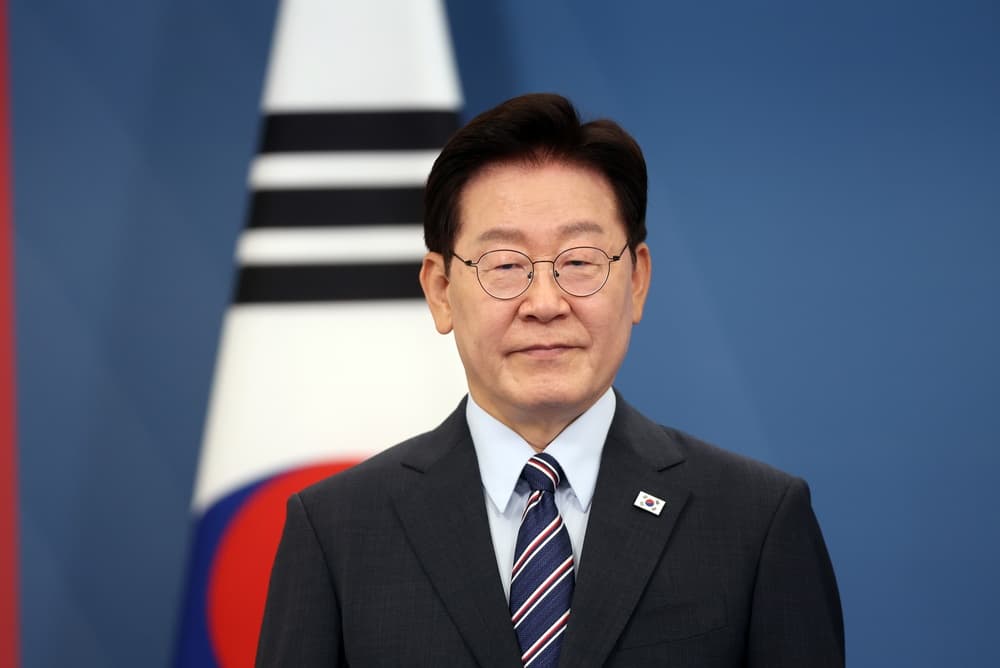
    The South Korean president's trip to China marked a significant diplomatic rapprochement between Seoul and Beijing after years of frostiness, but leaves fundamental strategic issues unresolved. Despite attempts to engage on the Pyongyang dossier, the Chinese government avoids any reference to denuclearisation. Economic agreements signed by Korean conglomerates on rare earths and strategic minerals

AsiaNews Weekly
News from Asia that matters

Subscribe to the newsletter to receive verified news, analysis and insights from Asian countries every week.

Subscribeto the newsletter
P.I.M.E. Centro Missionario
Agenzia Fides
P.I.M.E. Brasil
Radio Mondo
Mondo e Missione
P.I.M.E. U.S.A.
TV 2000