Georgia

Featured article

The new Patriarch of Georgia and global Orthodoxy

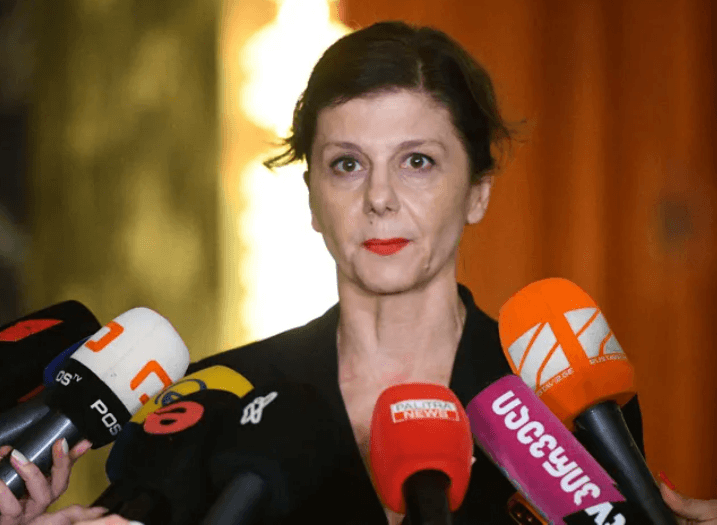
The Synod has elected the three candidates to succeed Ilia II, who had led the Georgian Church since 1977. The candidate with the most votes was the 57-year-old Metropolitan Shio, who had in fact already served as regent alongside the elderly patriarch for ten years. But this transition is extremely delicate, because in a deeply polarised country and against the backdrop of the clash between Moscow and Constantinople, the Georgian Orthodox Church is not merely choosing a person or a development programme for its future.
  • The Georgian Church and the Succession of Ilia II

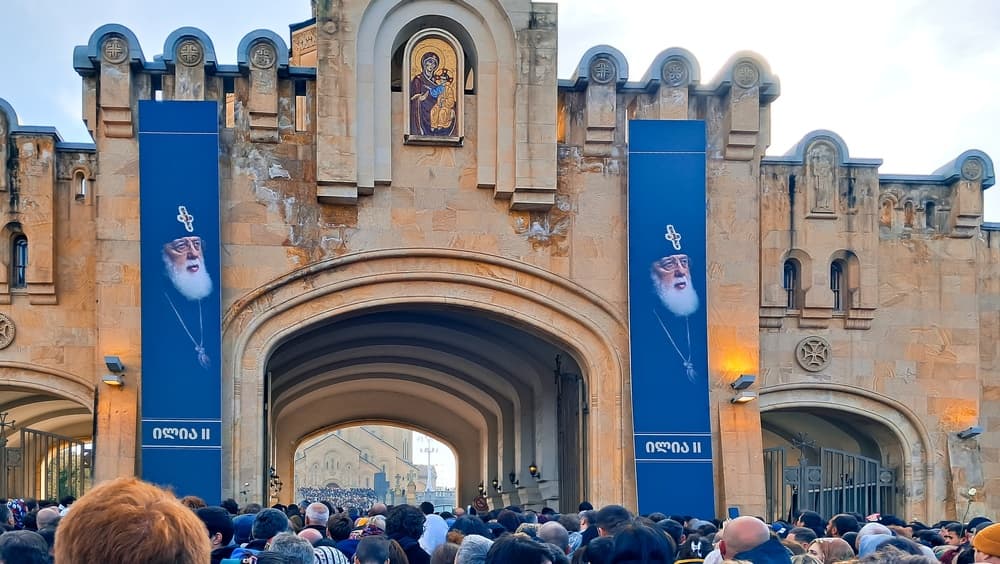
    Synod to identify candidates convened for April 3. Patriarch Bartholomew of Constantinople proposed two names, provoking a furious reaction from the Russians. The Georgian Church was one of the first to adopt a very radical and aggressive stance, withdrawing from the World Council of Churches. Theologian Čapnin: “The real problem is religious nationalism”.

  • New regulations on Georgian wine

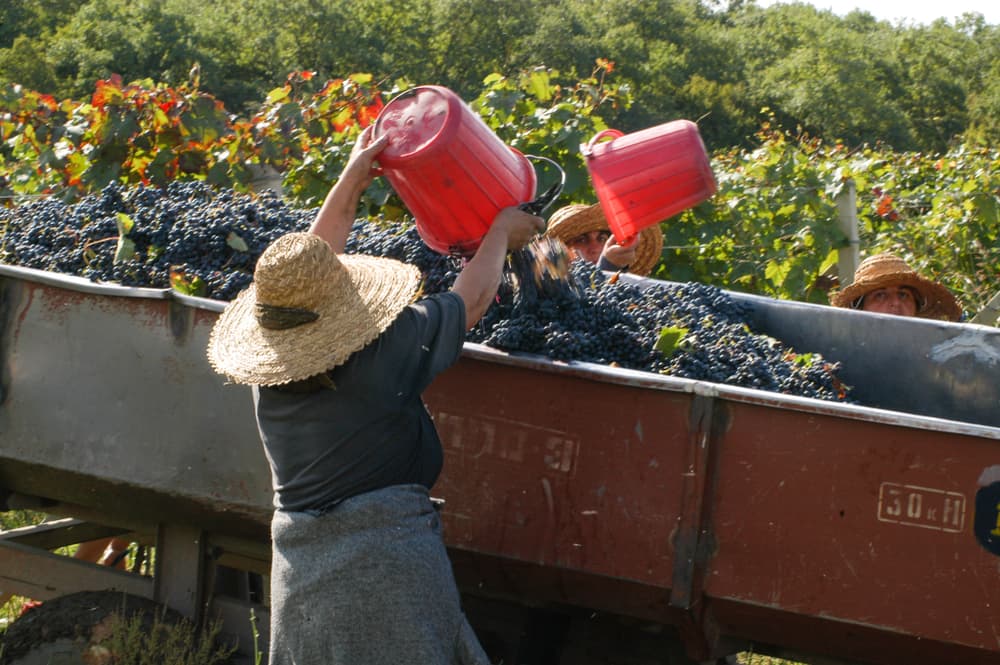
    A new law on local viticulture – the finest in the former Soviet states – is about to come into force in Tbilisi. A step towards meeting European quality standards and preventing the spread of viruses among crops. But small farmers fear that the introduction of a licensing system will encourage the formation of a closed circle amongst the major producers.

  • Opposition parties seek unity in Tbilisi

    The parties opposed to the pro-Russian Georgian Dream are trying to agree on a common platform with the aim of bringing about early and ‘legitimate’ parliamentary elections to overthrow the current government without conflict. However, the disagreements between the various forces are far from resolved.

  • The Georgian Dream and freedom of expression

    Prime Minister Kobakhidze declares himself ‘available at any time for discussions with members of the pro-Western opposition’. But these same forces, which do not recognise the legitimacy of his government, remind him of their leaders in prison and the approval of the law against ‘foreign agents’. Meanwhile, Tbilisi is cut off from trade agreements between Azerbaijan and Armenia.

  • Tbilisi's schools return to schools to Soviet times

    From standardised textbooks prepared directly by the ministry to uniforms, education in Georgia is returning to the practices of the former Soviet Union. Even the age of enrolment in the first year has been raised to 6, reducing the number of classes in the entire school cycle to 11. The promise: ‘In all schools there will be a single approach, a single standard, a single level of quality.’

  • The long march of the Georgian Dream

    Iraklij Kobakhidze defends the appeal to the Constitutional Court to outlaw the main opposition forces and says he wants to remain at the helm of the Georgian government until 2030, ‘hoping that the approaches of the European bureaucracy will change’. The National Movement's accusations: the current administration is increasingly transforming Georgian society into a totalitarian dictatorship.

  • Elections and revolutions in Tbilisi

    The Georgian Dream party won all municipal and regional seats in the local elections boycotted by the opposition. Meanwhile, Prime Minister Irakli Kobakhidze described the protest rallies that stormed the presidential palace in the centre of the capital as a ‘failed coup attempt’.

  • Georgian wines: Tbilisi confirms subsidies for farmers

    While the clash between pro-Russian and pro-European forces continues in the country, the government has committed to guaranteeing the purchase of all grapes that are not bought by the private sector. But according to local winemakers, this policy, a legacy of the Soviet era, does not contribute to improving the quality of production.

  • Putin loyalist Kaladze runs for Tbilisi mayor

    The former soccer player and secretary of Georgian Dream wants a third term as mayor of the capital. The Putin-aligned oligarch, the country's “real master,” was present at the party. Anti-Western slogans and threats to expel the EU ambassador. For the opposition, the mayor-champion's new candidacy is yet another anti-Brussels “signal.”

  • The everyday face of political repression in Georgia

    Zurab Dzhaparidze, one of the leaders of the “Coalition for Change” opposing the Georgian Dream regime, has been arrested for refusing to pay a fine imposed on him for failing to appear before a parliamentary inquiry commission he considers “illegitimate” due to electoral fraud. “If people refused to live in lies, the regime would collapse instantly,” he declared.

  • The disputed memory of 1989 in Tbilisi

    Kobakhidze's government avoids mentioning the Russians on the anniversary of the harsh Soviet repression. Former president Zurabishvili accuses ‘anonymous foreign forces’ of the massacre. Relatives of demonstrators arrested during pro-European marches in recent months gather at the victims' memorial.

AsiaNews Weekly
News from Asia that matters

Subscribe to the newsletter to receive verified news, analysis and insights from Asian countries every week.

Subscribeto the newsletter
P.I.M.E. Centro Missionario
Agenzia Fides
P.I.M.E. Brasil
Radio Mondo
Mondo e Missione
P.I.M.E. U.S.A.
TV 2000