Tajikistan

Featured article

  • The effects of climate change on children in Dushanbe

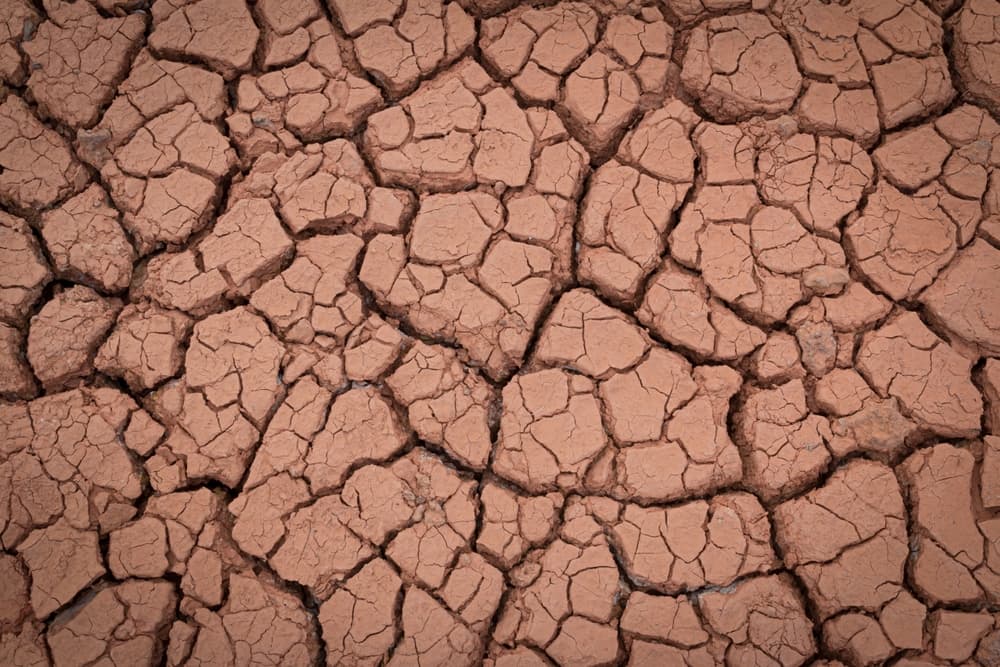
    In Tajikistan, heatwaves with temperatures consistently above 40 degrees in summer are taking their toll on 2.5 million children, who are particularly vulnerable to water shortages. Almost a third of the country’s population is under 15 years of age; according to scientists’ data, they will have to cope with increasingly extreme temperatures throughout their lives.

  • Europe’s strategies in Central Asia

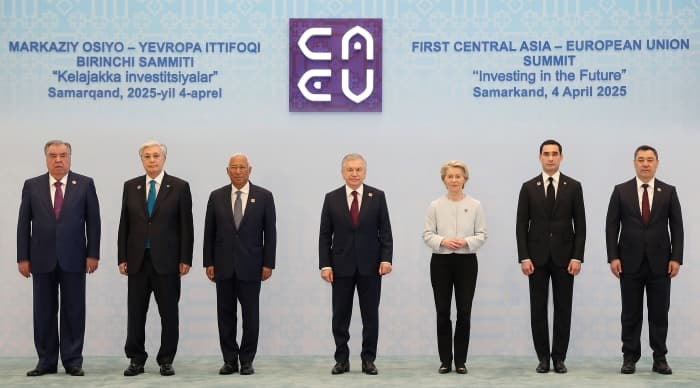
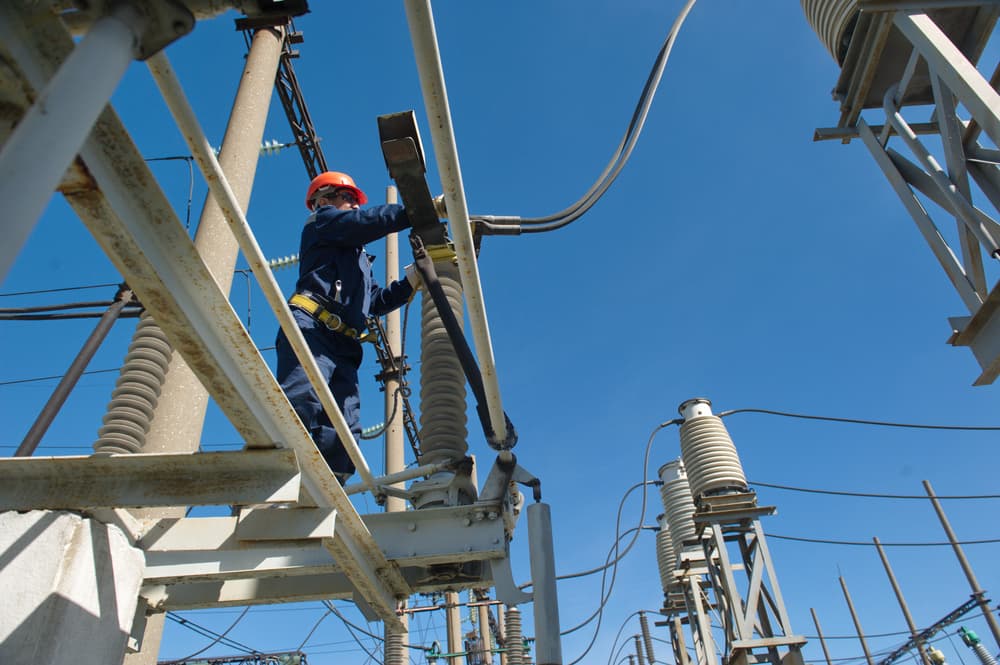
    EU Special Representative Stiprais is calling for an update to cooperation policies that takes account of the increasingly close ties between the countries in the region, which have been highlighted by Kyrgyzstan’s election to the UN Security Council. The “shared” Kambarata hydroelectric power station and the local satellite internet connection system are the flagship projects.

  • Selective abortion in Central Asia

    In Uzbekistan, approximately 107 boys are born for every 100 girls; in Tajikistan, the figure is as high as 110. This imbalance cannot be explained by natural causes and must be attributed to the practice of abortion when prenatal tests reveal that the foetus is female. This sex selection not only reflects gender discrimination but also entails serious social risks.

  • 100 Years of the Khudžand Museum

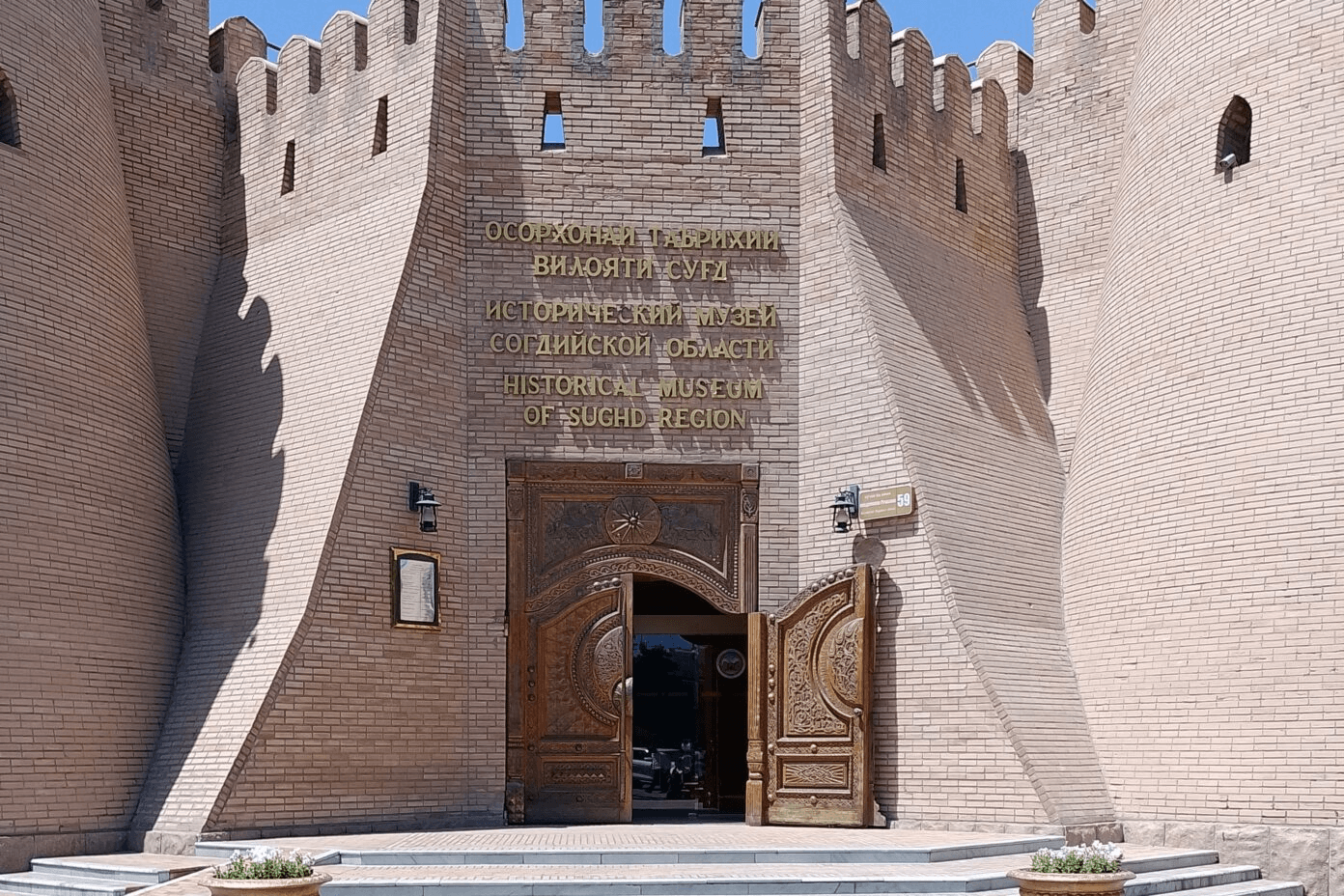
    The Sogdiana Historical Museum has survived relocations, reconstructions and political upheavals, and has literally saved thousands of artefacts from Tajik history and culture from being scattered amongst private homes or sold in bazaars. Today, it is no longer just an exhibition space but also an educational centre.

  • Witchcraft in Tajikistan

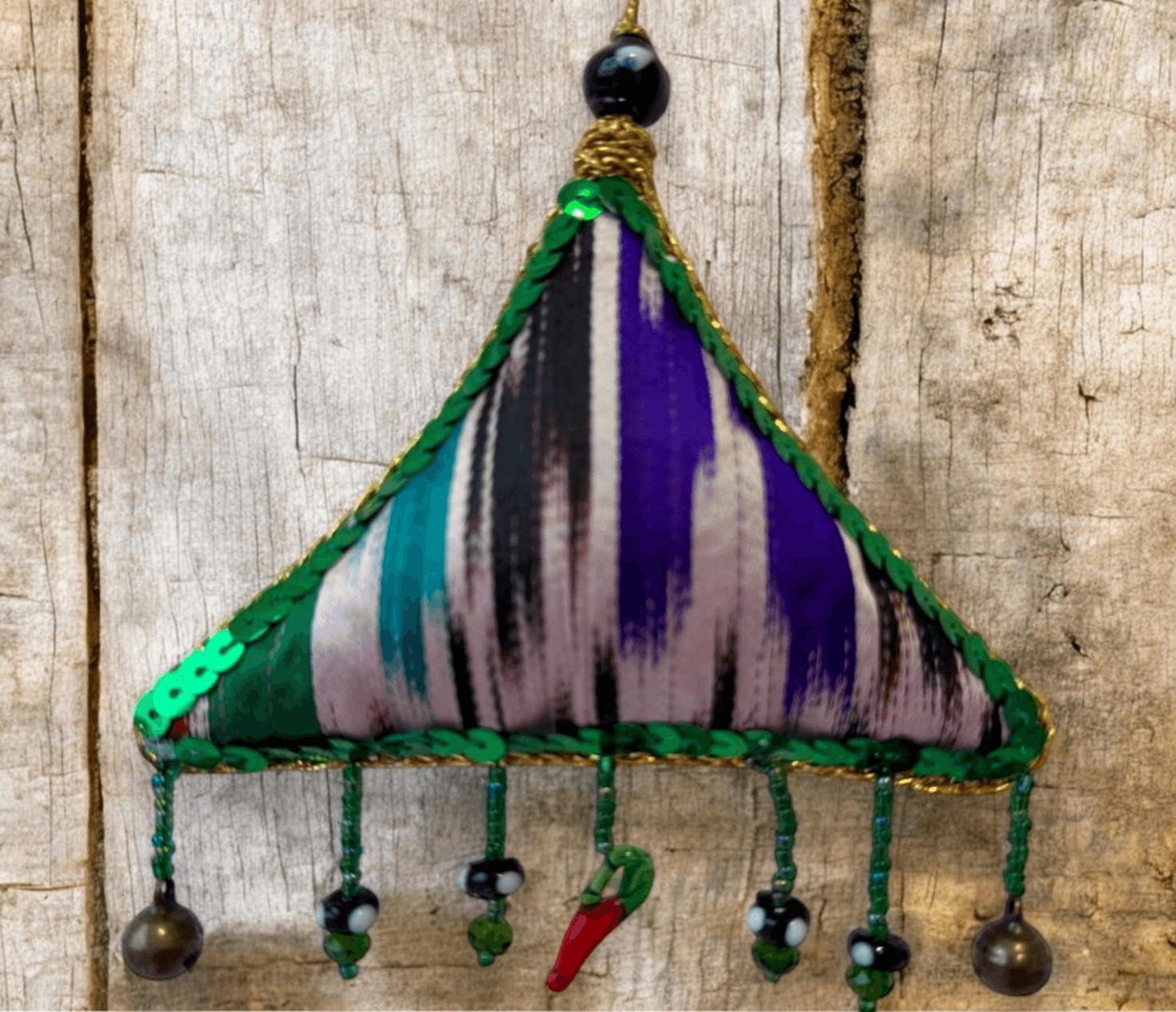
    Despite a ban under Islamic law and doctrine, amulets and exorcism performed by mullahs or shaman are widespread in Tajikistan. According to a well-known legend, 40 inseparable spirits rule the world, believed to be able to ward off all human misfortunes.

  • Rakhmon’s visit to Beijing (flanked by Trump and Putin)

    The Tajik president’s trip has confirmed just how strategic a region Central Asia is for China today, a strategic importance made all the more vital by the various geopolitical fault lines. Beijing is banking on the gas pipeline running through the region, but also on its significance for the security of its own borders. And in relations with local governments, its proximity – not just geographical – gives it an advantage over its Western rivals.

  • Tajik shepherds in the 21st-century

    Crossing mountain passes at altitudes of up to 3,000 metres and travelling hundreds of kilometres with their flocks, the čabany keep alive a tradition that produces a type of sheep meat of the highest quality. A hard life, exposed to the unscrupulous exploitation of the owners of the pastures, yet underpinned by a solid unwritten code of solidarity and a profound harmony with nature.

  • Tajik Nowruz and Islam a mix of folklore and religion

    The fact that it coincided with the end of Ramadan provided an opportunity this year to reflect on the national festival as a “bridge between different eras”, linking back to the origins of the Iranian-Turanian civilisation. In the face of hostility from Salafi preachers who regard it as a pagan ritual, Dushanbe recalls that the Arab caliphs themselves rediscovered the value of local traditions.

AsiaNews Weekly
News from Asia that matters

Subscribe to the newsletter to receive verified news, analysis and insights from Asian countries every week.

Subscribeto the newsletter
P.I.M.E. Centro Missionario
Agenzia Fides
P.I.M.E. Brasil
Radio Mondo
Mondo e Missione
P.I.M.E. U.S.A.
TV 2000