Russia

Featured article

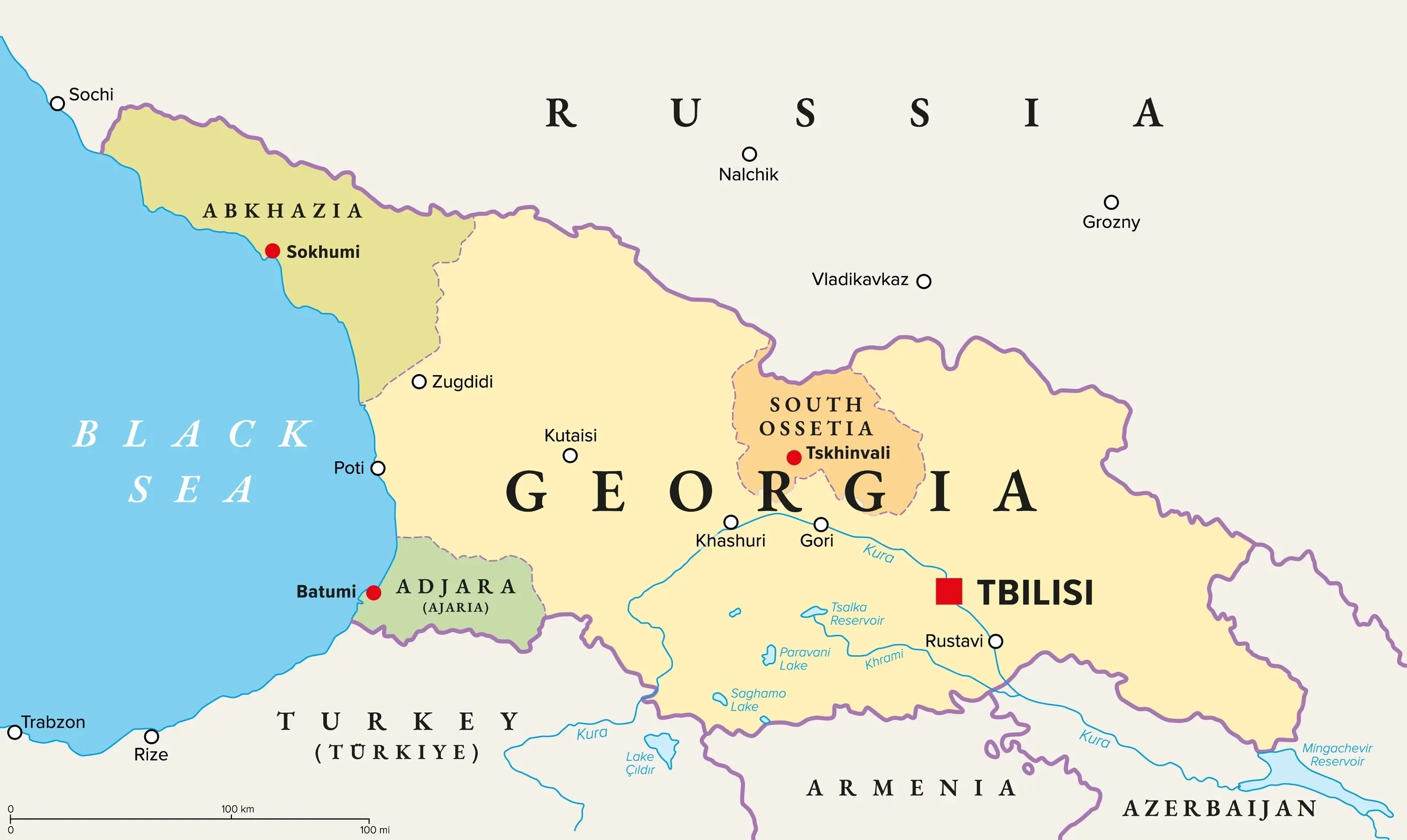
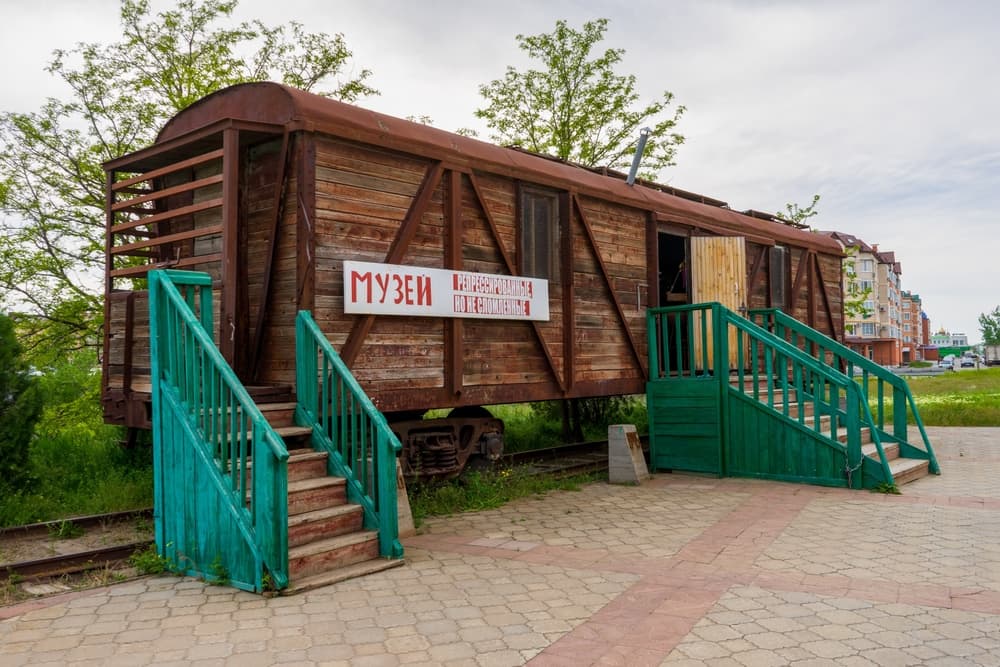
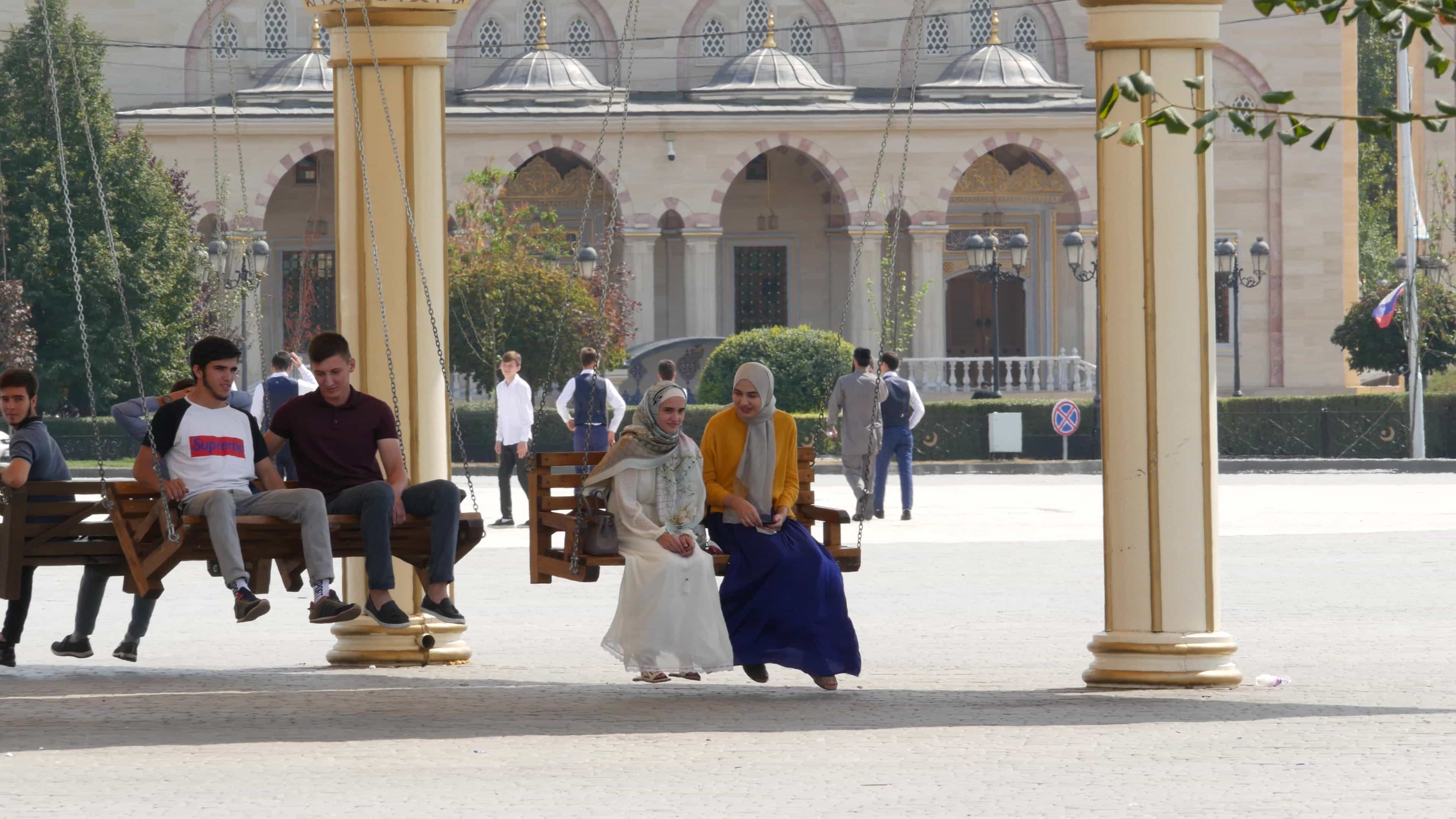
Conflicts and solidarity in post-Soviet North Caucasus

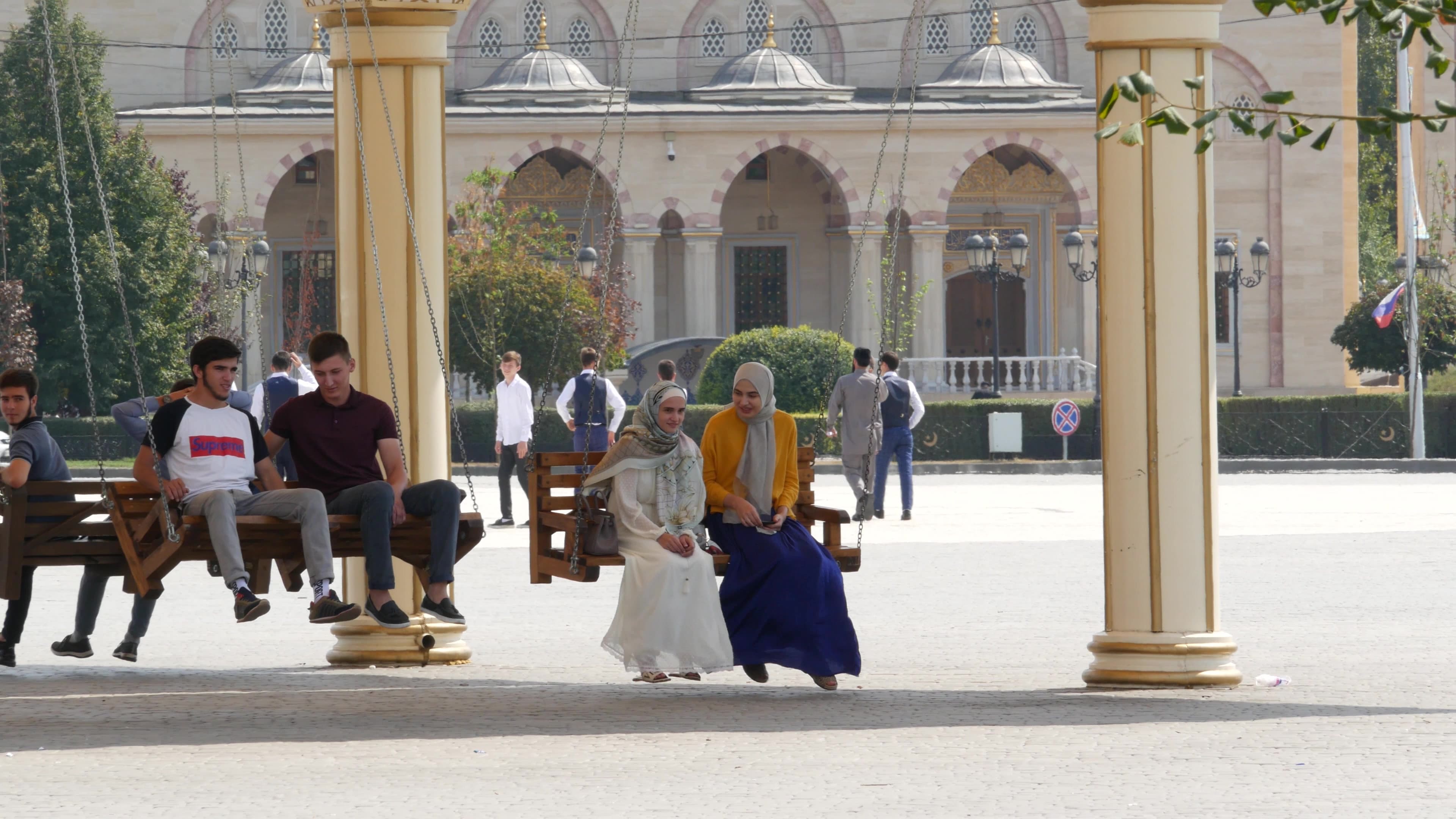
Despite much wrangling over borders or cultural heritage in the face of tragedy, the people of Chechnya, Dagestan, Ingushetia and North Ossetia are coming together to search for the missing or raise funds for the victims of natural disasters. Because their shared history prevails over old grudges.
  • Ecology, a casualty of the Russian war

    The taiga is burning beyond the Urals, the rivers in Tyumen and the Moscow region are full of dead fish, and there are oil spills in the Russian part of the Black Sea. Meanwhile, a large-scale investigation has identified 1,497 people accused of treason and espionage in Russia for actions linked to environmental protection.

  • The hypocritical celebration of Russian elections

    The closer we get to Russia’s parliamentary election on 20 September, the more thoroughly the authorities flaunt their authoritarianism. And the most paradoxical aspect of this story is that both the government and the opposition, including the liberals of the Yabloko party, are actively taking part in the game.

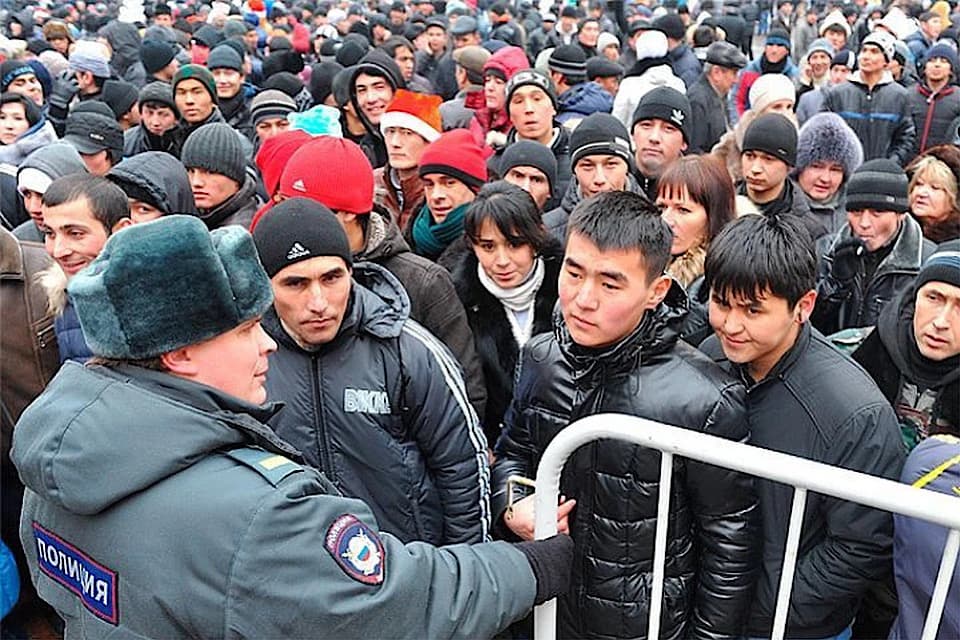
  • Skilled migrants leaving Russia

    The Russian government has approved a quota of 279,000 permits for foreign workers for 2026. Last year, more than 90,000 highly skilled immigrants were employed. Asia is the main source of skilled workers in Russia; however, very few wish to settle in the country.

  • Climate change and the Siberian banana illusion

    With permafrost thaw reaching 70 cm in 2023, up to 80 per cent of buildings in the Arctic began to deform. The agricultural sector could benefit though, turning polar regions into a new breadbasket. Beyond the slogans, unresolved issues remain: flooding, soil degradation, and unpredictable changes.

  • Moscow, far from Central Asian concerns

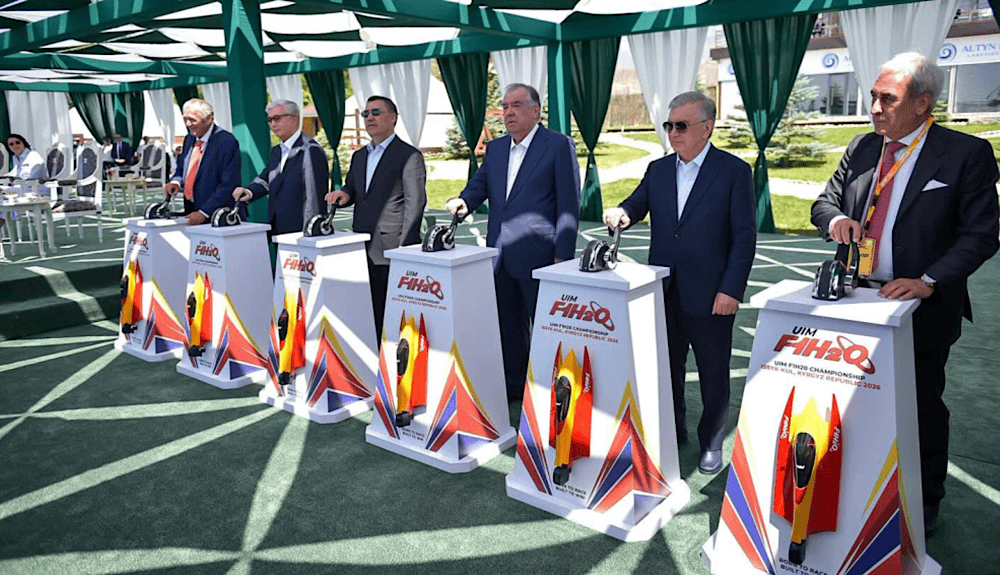
    Russian news agencies ignored the C-6 summit in Kyrgyzstan, which showed participants’ willingness to protect their economic interests from Western sanctions and ensure the functioning of the Middle Corridor. Meanwhile, the dynastic nature of power is being legitimised.

  • The Russo-Ukrainian dispute over the Baptism of Rus’

    For several centuries, the Orthodox Church in Kyiv and Moscow dated the Baptism of Rus' to 1 August 988, the feast of the Merciful Saviour and the Most Holy Theotokos, the day in which water was to be blessed in memory of the “Source of the Dnieper”. The idea of ​​linking the holiday to the memory of Vladimir arose in the context of the ecclesiastical and political intrigues of 2008.

  • Deportation in modern day Russia

    The Moscow Duma is openly discussing the possibility of relocating 200,000–300,000 citizens living in the ‘liberated’ territories of the Donbass – which are now uninhabitable – to the Far East or Siberia. This is in keeping with the Russian-Soviet system, which throughout its history has displaced vast numbers of people to suit its own needs.

  • Russia and Western culture

    “Why isolate ourselves from Western culture? I don’t understand it: Russia is part of a wider civilisation.” A statement by Elizaveta Likhačeva, former director of the Pushkin Museum, has sparked a patriotic outcry in Moscow led by Foreign Ministry spokeswoman Maria Zakharova

  • Pondering post-Putin Russia

    In his book *People Behind the Fence*, journalist Maksim Trudoljubov explains the different types of Russian citizenship, based on moral service and private property. He also explores how a post-Putin and post-war transition might be organised on the basis of these principles.

AsiaNews Weekly
News from Asia that matters

Subscribe to the newsletter to receive verified news, analysis and insights from Asian countries every week.

Subscribeto the newsletter
  • P.I.M.E. Centro Missionario
  • Agenzia Fides
  • P.I.M.E. Brasil
  • Radio Mondo
  • Mondo e Missione
  • P.I.M.E. U.S.A.
  • TV 2000