Articles by the author:

Vladimir Rozanskij

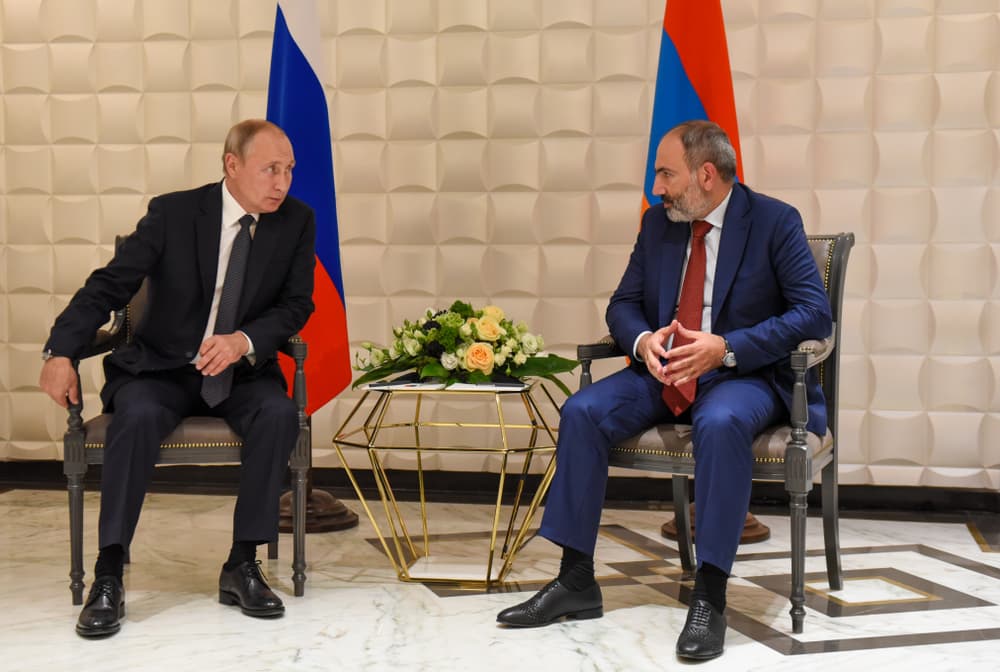
  • Relations between Moscow and Yerevan following Pashinyan’s victory

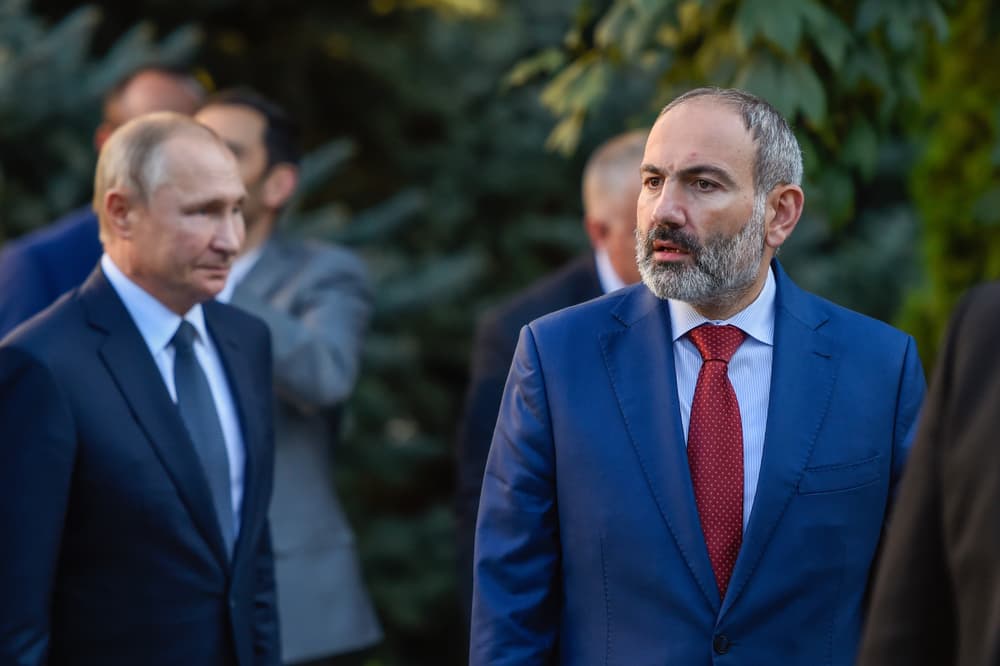
    The electorate’s pro-European choice in the 7 June vote was accompanied by the election of the largest number of pro-Russian MPs since 2018. Putin nevertheless aims to influence the prime minister’s policies, with whom he maintains open channels of communication. And the polls themselves suggest that Armenians do not want the partnership with Brussels to be at Moscow’s expense.

  • The new Samizdat of Russians abroad

    In *Novaya Gazeta*, Slavic studies scholar Jakov Klotz describes the flourishing of publications by Russian dissident authors during the period of repression in Moscow: “We do not translate books to entertain Western readers with tales of Putin’s horrors, but to save Russian culture.”

  • Selective abortion in Central Asia

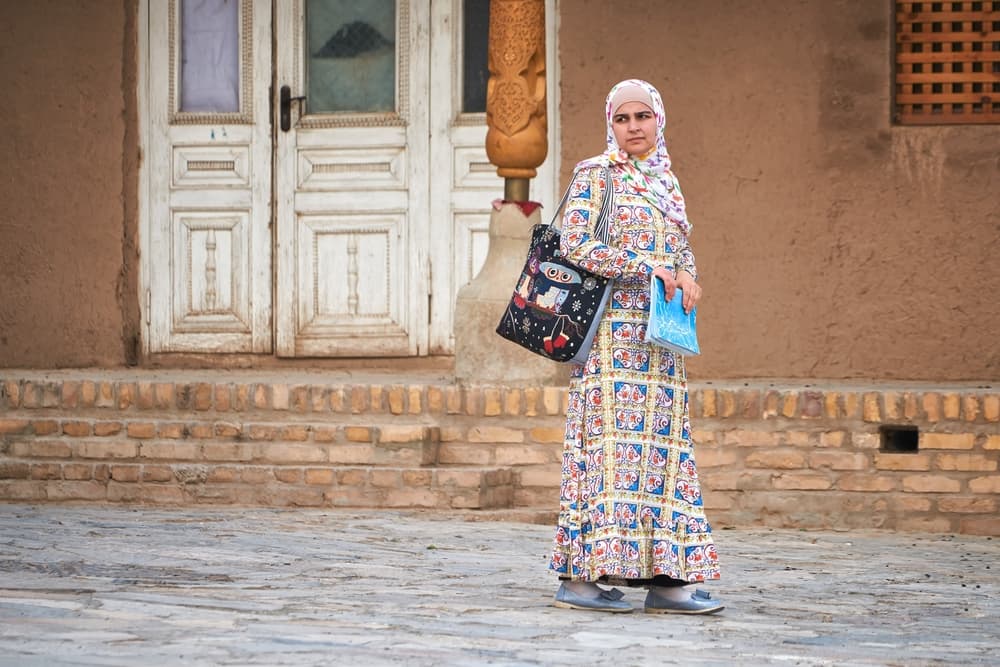
    In Uzbekistan, approximately 107 boys are born for every 100 girls; in Tajikistan, the figure is as high as 110. This imbalance cannot be explained by natural causes and must be attributed to the practice of abortion when prenatal tests reveal that the foetus is female. This sex selection not only reflects gender discrimination but also entails serious social risks.

  • The Orthodox Schism in the Baltic Region

    The visit to Vilnius by Bartholomew, Patriarch of Constantinople, marked the completion of the return of Lithuanian territory to his jurisdiction with the consecration of an exarch in a country that has welcomed many Orthodox Christians who left Moscow due to the schism. At the same time, Kirill was in nearby Kaliningrad, where he emphasised the ‘patriotic’ mission of his community.

  • 100 Years of the Khudžand Museum

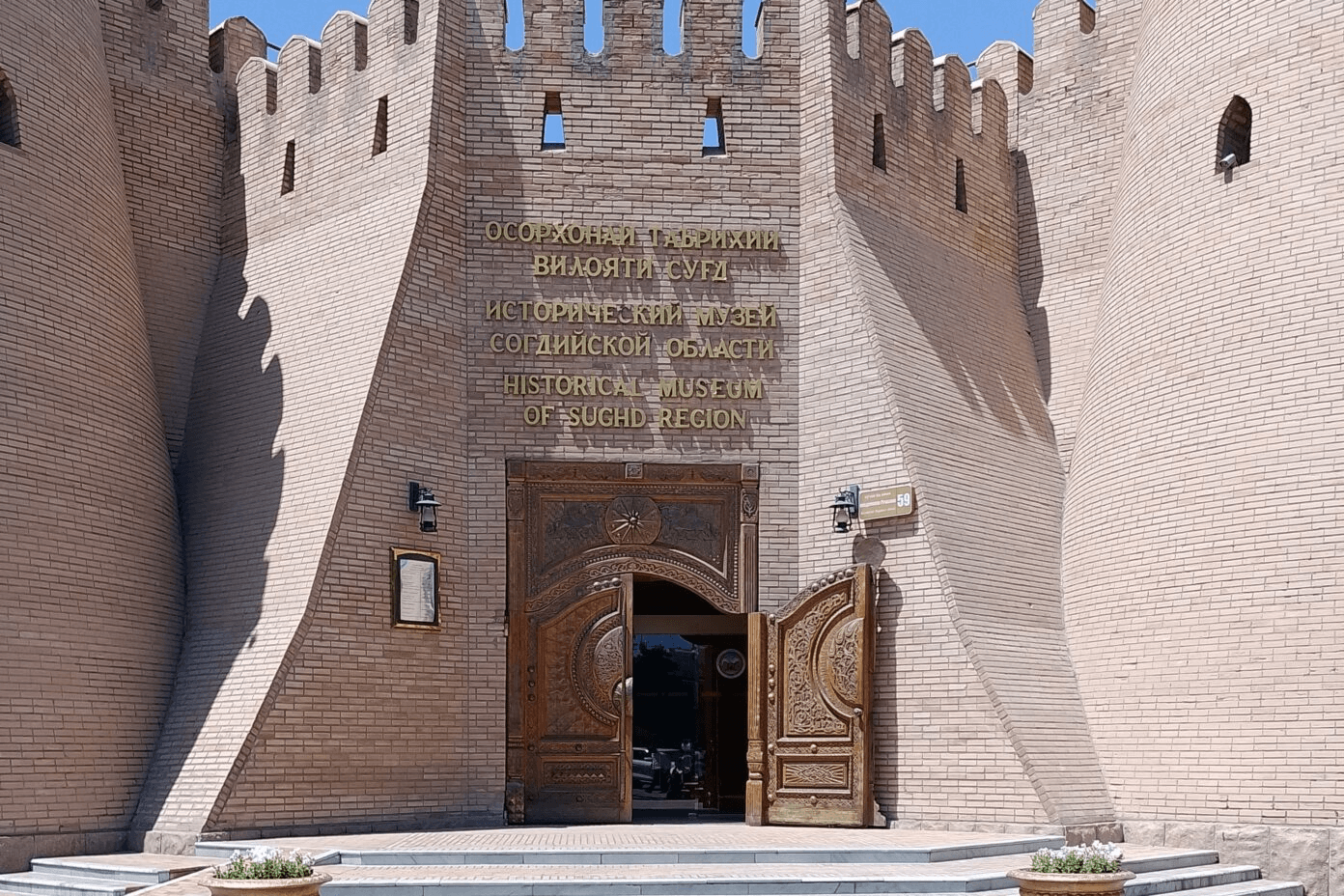
    The Sogdiana Historical Museum has survived relocations, reconstructions and political upheavals, and has literally saved thousands of artefacts from Tajik history and culture from being scattered amongst private homes or sold in bazaars. Today, it is no longer just an exhibition space but also an educational centre.

  • Bashkortostan's economic crises

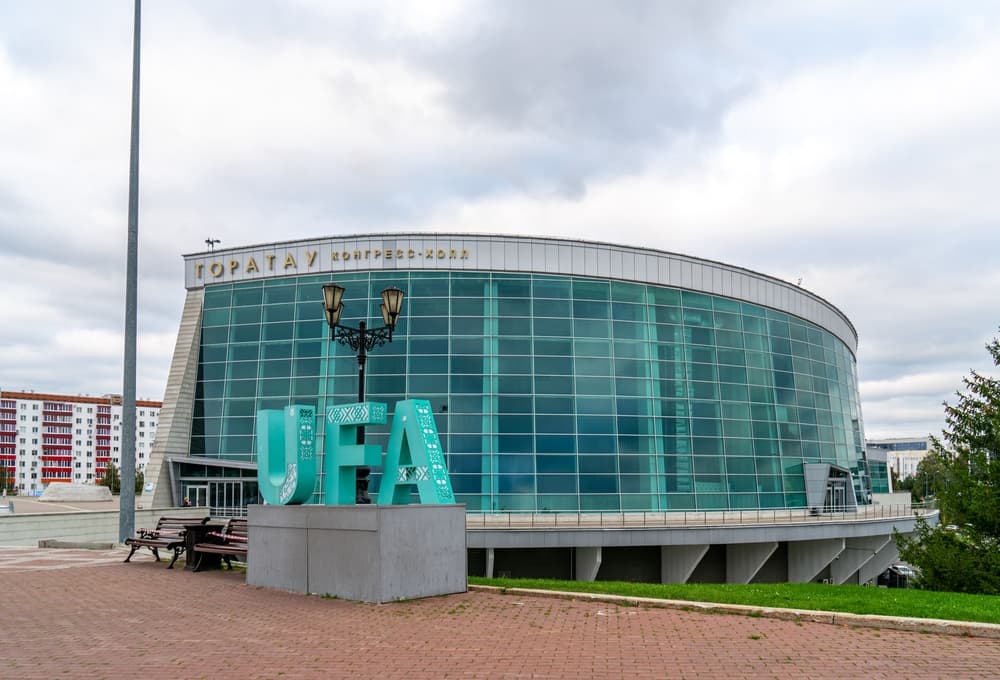
    The decline in the extractive industry, linked to the fall in oil exports, is dragging what was traditionally one of the richest republics in the entire Russian Federation into stagnation. This is in contrast to Tatarstan, the other Tatar region, where the war economy, driven by drone manufacturing, is boosting the manufacturing sector.

  • Artificial rain in Kazakhstan (and Kyrgyzstan’s concerns)

    With technical support from the United Arab Emirates, the government in Astana is the first in Central Asia to trial cloud-seeding systems, designed to provide moisture to agricultural land even during dry seasons. But former Kyrgyz Prime Minister Akylbek Zaparov has sounded the alarm: artificially induced rainfall in one region could have a negative impact on the climate of another.

  • The School Bell and the Call to Arms in Russia

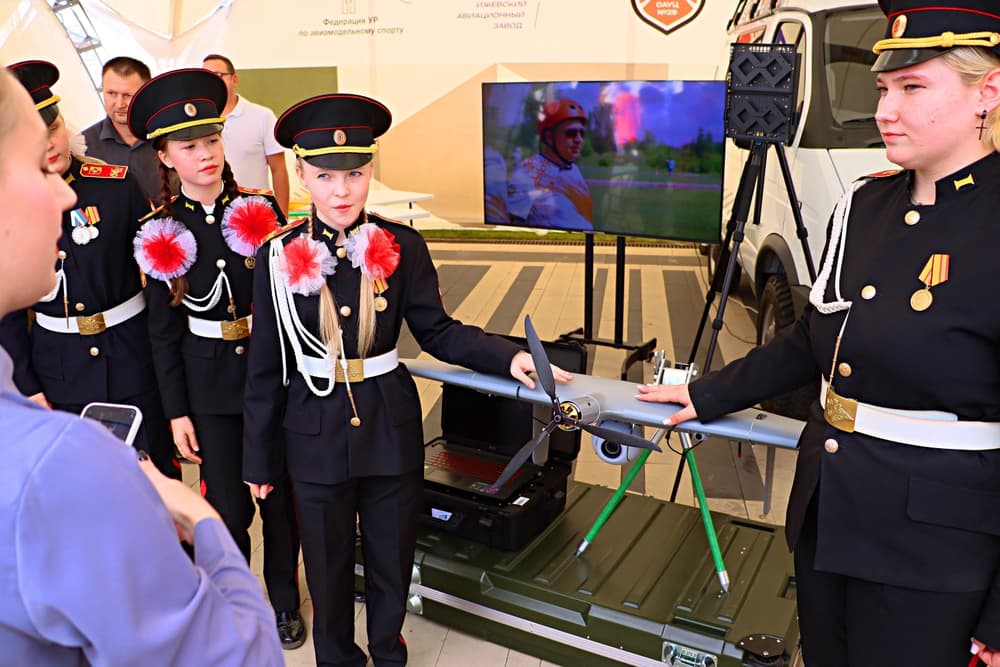
    Graduations taking place in recent weeks in Russia have been marked not only by officials and members of Putin’s party, as has been the case for years, but also by “SVO veterans,” participants in the war in Ukraine. Authorities are increasingly recruiting young people from technical institutes to train them as drone operators.

  • Elections in Armenia: Between East and West

    The vote on 7 June in Yerevan is set to resolve the turbulent domestic political situation, either ushering in a new phase oriented towards Europe or bringing the country back under Russian control, whilst seeking to avert civil war between the various factions of the Armenian people. Meanwhile, the current Prime Minister Pashinyan has indicated that he intends to meet Putin immediately after the vote.

AsiaNews Weekly
News from Asia that matters

Subscribe to the newsletter to receive verified news, analysis and insights from Asian countries every week.

Subscribeto the newsletter
  • P.I.M.E. Centro Missionario
  • Agenzia Fides
  • P.I.M.E. Brasil
  • Radio Mondo
  • Mondo e Missione
  • P.I.M.E. U.S.A.
  • TV 2000