Japan

Featured article

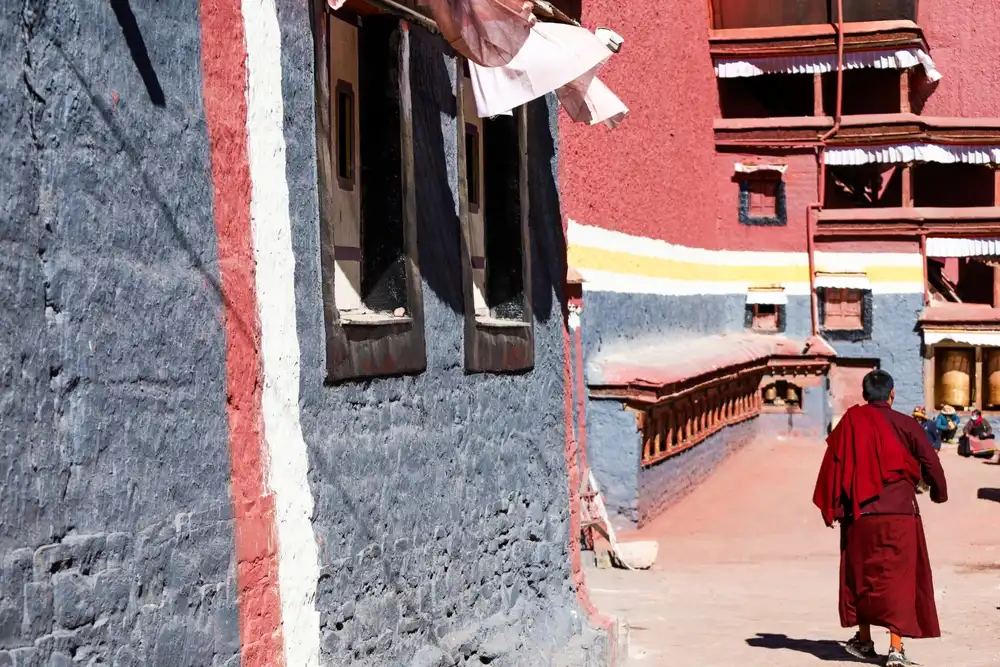
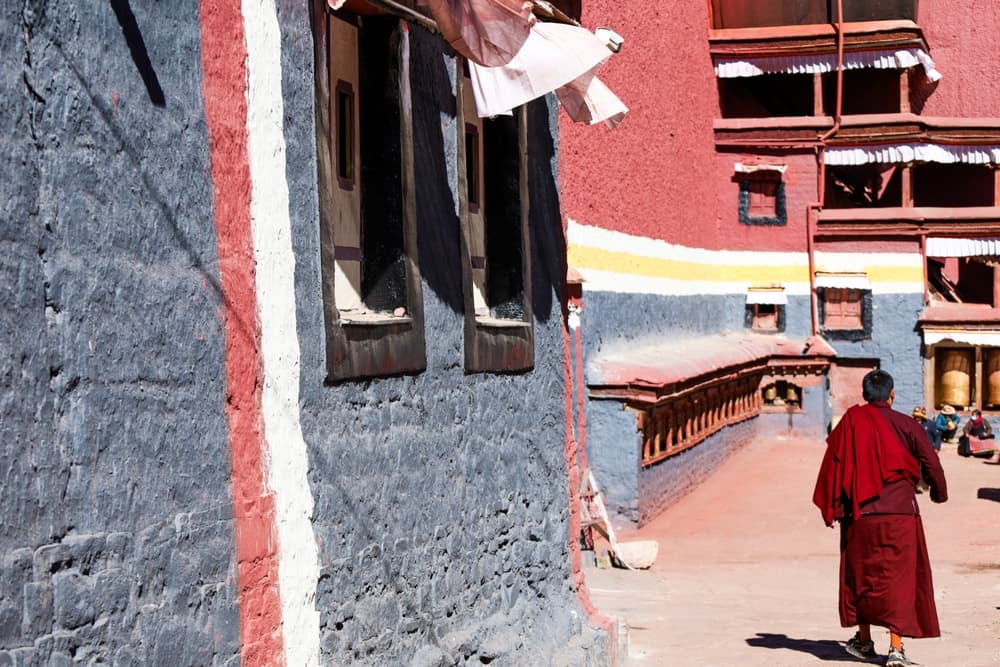
Tibetan government-in-exile turns to AI to save its culture

The president of the Tibetan government-in-exile, Penpa Tsering, aims to develop digital tools to preserve the Tibetan language, Buddhist texts and Tibetan heritage. A collaboration with Japanese companies is also under consideration. Meanwhile, the diaspora is striving to maintain a shared identity, even amongst the younger generations.


  • Nobel Peace Prize to the hibakusha: ‘Message for today's wars'

    Fr Alberto Berra, a PIME missionary in the city of the first atomic bomb in 1945, speaks about the decision to award the prize to the association that gives voice to the victims who still bear the signs of the explosion from almost eighty years ago. “They feel they have received a mission: to be a voice for the world” because, as Pope Francis said in Hiroshima in 2019, “it is not only the use of atomic weapons that is immoral, but also their possession.”

  • For the Church, ‘even Europe today is becoming a periphery,’ says cardinal-elect Kikuchi

    The archbishop of Tokyo and president of Caritas Internationalis, chosen by Pope Francis as one of the new cardinals, invites us to look at the mission of the Church as an exchange of gifts. Today, “many countries in Asia and Africa give missionaries to the world.” Together with the archbishop of Belgrade, the archbishop of Tokyo will be the first Verbite cardinal since Card Thomas Tien, the archbishop of Beijing who was the very first Verbite appointed cardinal by Pius XII in 1946.

  • Ishiba, a longtime politician for the post-Kishida era

    Former defense minister, 67, in the Japan Liberal Democratic Party primary election beat Sanae Takaichi, the candidate closest to Shinzo Abe's legacy, in the runoff. He will be sworn in as premier on October 1 and will be called upon to lift support for the political force since the postwar period that has been a major player on the Japanese political scene. But on the horizon already looms an election clash with Yoshihiko Noda, leader of the opposition.

  • Underused Japanese temples coveted by buyers

    As the country’s population declines and religious disaffection grows, religious sites are increasingly targeted for the tax breaks they provide. Out of 180,000 registered religious sites, as many as 4,400 have been inactive in the last year. For Benmou Suzuki, a monk in Sanbagawa, “Temples are places for local people to gather and forge connections” and must be protected. For its part, Japan’s Agency for Cultural Affairs has intensified controls.

  • China does a U-turn on Japanese fish, agrees to 'gradually resume’ imports

    A ban was imposed a year ago when Japan began to release Fukushima's waters. After months of negotiations, a deal was reached on monitoring, in addition to that by the IAEA (while no one can monitor the discharges of Chinese nuclear power plants). The turning point comes in the aftermath of a deadly attack against a 10-year-old Japanese boy in Shenzhen, tragic proof of the danger posed by anti-Japanese nationalist propaganda.

  • Race to succeed Kishida in Japan’s ruling party

    Voting will be held on 27 September. Seven people are currently in the run, for the first time, without the backing of party factions, in the wake of the bribery fundraising scandal involving a group of Liberal Democratic Party lawmakers. A runoff will almost certainly be necessary. The main opposition party is also reorganising itself ahead of the next general election.

AsiaNews Weekly
News from Asia that matters

Subscribe to the newsletter to receive verified news, analysis and insights from Asian countries every week.

Subscribeto the newsletter
  • P.I.M.E. Centro Missionario
  • Agenzia Fides
  • P.I.M.E. Brasil
  • Radio Mondo
  • Mondo e Missione
  • P.I.M.E. U.S.A.
  • TV 2000






