Japan

Featured article

Tibetan government-in-exile turns to AI to save its culture

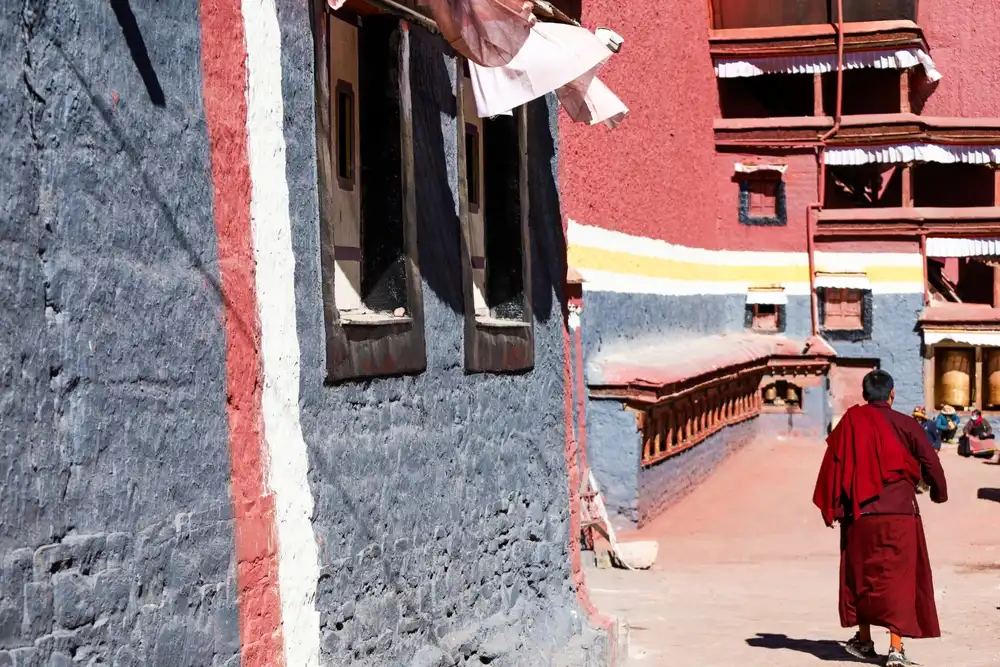
The president of the Tibetan government-in-exile, Penpa Tsering, aims to develop digital tools to preserve the Tibetan language, Buddhist texts and Tibetan heritage. A collaboration with Japanese companies is also under consideration. Meanwhile, the diaspora is striving to maintain a shared identity, even amongst the younger generations.

  • Airport Noto renamed Pokémon, but reconstruction languishes

    The airport on the peninsula hit by the 2024 earthquake has been renamed “Noto Satoyama Pokémon With You Airport” in an attempt to boost tourism. The new name will remain in place for three years. Meanwhile, more than 17,000 people still live in temporary housing, as the resident population continues to decline. Two thirds of the displaced believe reconstruction has made little or no progress.

  • Succession reform to save the imperial family still excludes women

    The government led by Prime Minister Sanae Takaichi has approved a bill to address the declining membership of the Imperial Household, allowing the adoption of male descendants from ancient dynastic branches and letting princesses to retain their titles after marriage. However, the possibility of Princess Aiko becoming empress is still ruled out, despite the approval of 83 per cent of Japanese people.

  • The ‘world cup’ failure of Asian teams at USA 2026

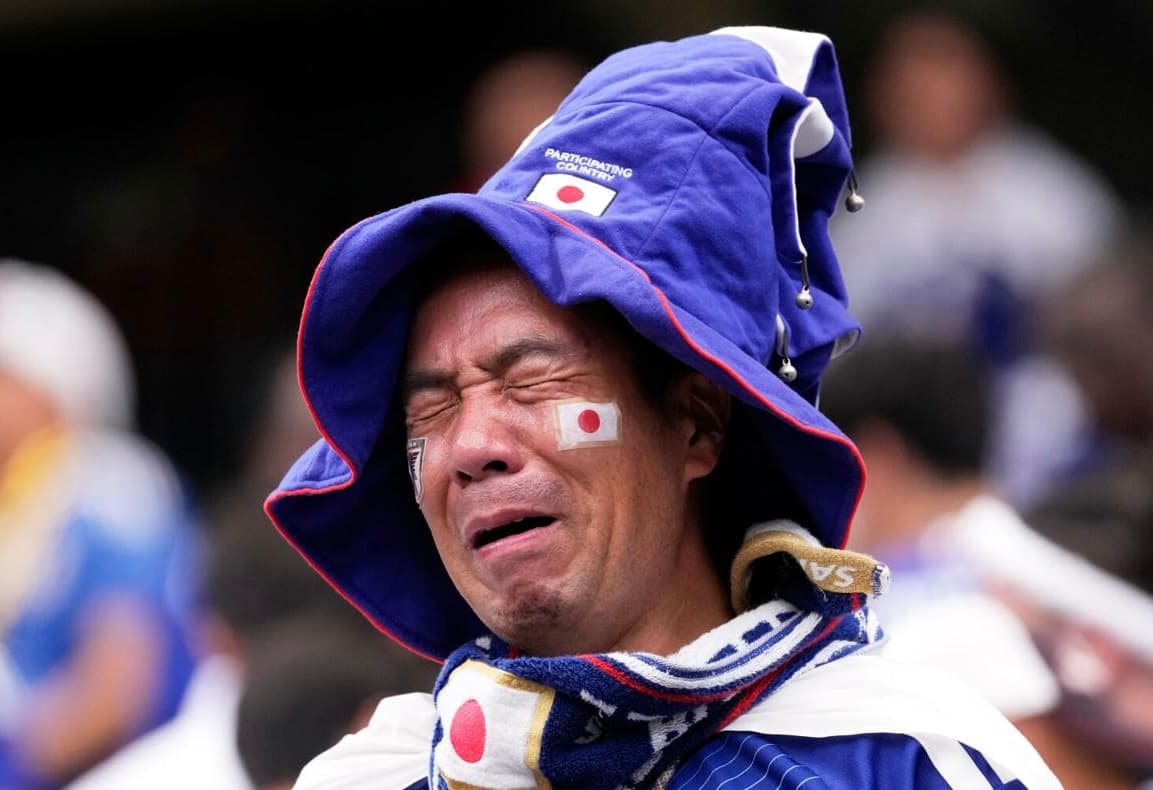
    With Japan’s elimination in the round of 16 – the only team to have progressed beyond the group stage – the continent now has no teams left in the competition. The stark contrast with Africa and the wave of resignations, from South Korea to Saudi Arabia. The case of Iran, which remained unbeaten but was eliminated on goal difference (and due to hostile politics). The players’ message: “May peace and friendship prevail”.

  • Asian teams at the most politicised World Cup in history

    From the FIFA Peace Prize to Trump to short-term visas for Iranian players, the 2026 edition will be the biggest with 48 teams and 104 matches, but also very controversial. Nine Asian teams will take part, with two newcomers: Jordan and Uzbekistan. The hopes of a continent rest with South Korea and Japan. Despite billions invested in football, China failed to qualify.

  • Minamata: 70 years of silence shroud Japan’s greatest industrial tragedy

    In May 1956, the hospital near the factory reported an “unknown illness” that was later found to be caused by mercury discharges from the Chisso Corporation. Decades later, the wound remains open in this Japanese city. PIME missionary Fr. Ferruccio Brambillasca, now the community’s parish priest, describes a society still marked by stigma and social divisions, while the memory of the tragedy risks being erased even from school textbooks.

  • One hundred years of PIME and the Lucca Missionaries in Japan in the 20th century

    On the occasion of the centenary of the unification by Pope Pius XI of two different Italian institutes into PIME in 1926, the Archdiocese of Lucca commemorated two of its great missionaries, Father Allegrino Allegrini and Father Fedele Giannini, who carried out their ministry in the Land of the Rising Sun. For Cardinal Tagle, their story shows that God leads the mission, even through unexpected paths.

  • Global J-pop boom spurs copyright reform

    The success of artists like Yoasobi and Fujii Kaze has prompted the government to approve a bill that also recognises royalties for singers, musicians, and producers. This change aligns Tokyo with international standards and could generate billions of yen for artists. Concerns remain about the costs to venues, while a three-year preparatory phase is planned.

AsiaNews Weekly
News from Asia that matters

Subscribe to the newsletter to receive verified news, analysis and insights from Asian countries every week.

Subscribeto the newsletter
  • P.I.M.E. Centro Missionario
  • Agenzia Fides
  • P.I.M.E. Brasil
  • Radio Mondo
  • Mondo e Missione
  • P.I.M.E. U.S.A.
  • TV 2000