
East Asia

Featured article

  • Uzbek land handed over to the Chinese

    China is the main foreign investor in Uzbekistan, with large capital inflows for new projects, but the growing Chinese presence is causing great concern among farmers. Data from the Uzbekistan National Institute of Statistics last year counted 17,900 farms with foreign participation, of which almost 7,000 with Chinese capital

  • Pregabalin, the new face of addiction in China

    Prescribed by doctors for anxiety disorders, the drug use is raising questions among doctors due to its increasing abuse. Advertised in forums and private chats, it is presented as a "safer" alternative to other, more controlled, substances. The problem of limited responses to young people's psychological distress is compounded by the stigma that still discourages many of them from seeking help.

  • Cambodia ratifies the Law of the Sea treaty (with Thailand in mind)

    The decision to join UNCLOS comes after 40 years of delays, opening a new front with Thailand over the disputed oil fields off Koh Kood Island. In 2001, then Thai PM Thaksin Shinawatra signed an agreement with his Cambodian counterpart Hun Sen, for joint exploitation, but this never materialised and is now contested by Bangkok. The issue ties in with the 2016 arbitration on China’s "nine-dash line” with which Beijing claims most of the South China Sea.

  • Japan, NGOs against xenophobia in election campaign

    Human rights and religious organisations denounce the increase in xenophobic rhetoric ahead of the 8 February vote. In a joint statement, they call on parties, candidates and the media to condemn hate speech. Criticism of the government's policies Takaichi: ‘We want a society where the human dignity of all is guaranteed’.

  • UN denounces forced labor against Uyghurs and Tibetans as a crime against humanity

    United Nations experts have spoken of a persistent pattern of forced labor imposed by the Chinese state on Uyghurs, Tibetans, Kazakhs, and Kyrgyz in Xinjiang and other provinces. Under the guise of “poverty alleviation” programs, millions of people are reportedly involved in coercive transfers, with serious consequences for fundamental rights, cultural identity, and religious freedoms. Beijing has rejected the accusations as unfounded.

  • The obstacle course faced by Chinese female journalists

    Women's rights organizations have also long been targeted by Beijing's crackdown. As a result, opportunities for women in traditional newsrooms have been drastically reduced, while alternative online spaces remain under constant pressure. The cases of Haze Fan, editorial assistant for Bloomberg in Beijing, and Zhang Zhan, the blogger who reported on Covid in Wuhan, who has been re-imprisoned.

  • Hong Kong: Trial against Tiananmen Square vigils opens

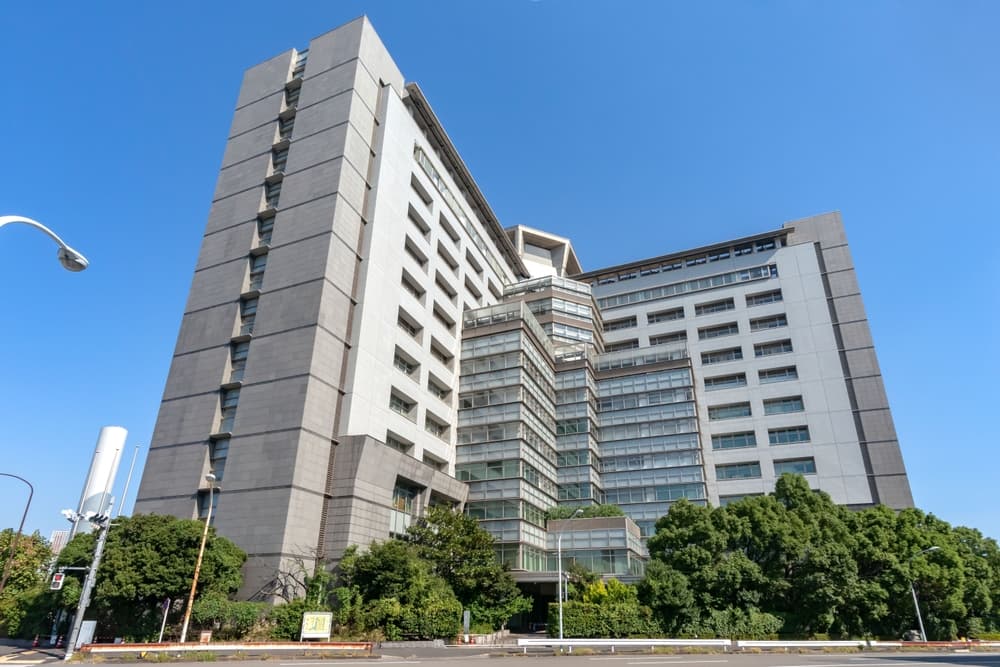
    Trade unionist Lee Cheuk-yan, lawyer Chow Hang-tung, and former Legislative Council member Albert Ho, who have been in prison for more than four years, appeared in court this morning for the first hearing of one of the trials symbolizing the battle for democracy in Hong Kong. Accused of subversion, they face up to 10 years in prison. The prosecution: “There are no legitimate means to demand an end to the Communist Party's leadership in China.”

  • Chinese targets attacked in Kabul as Beijing strengthens economic presence

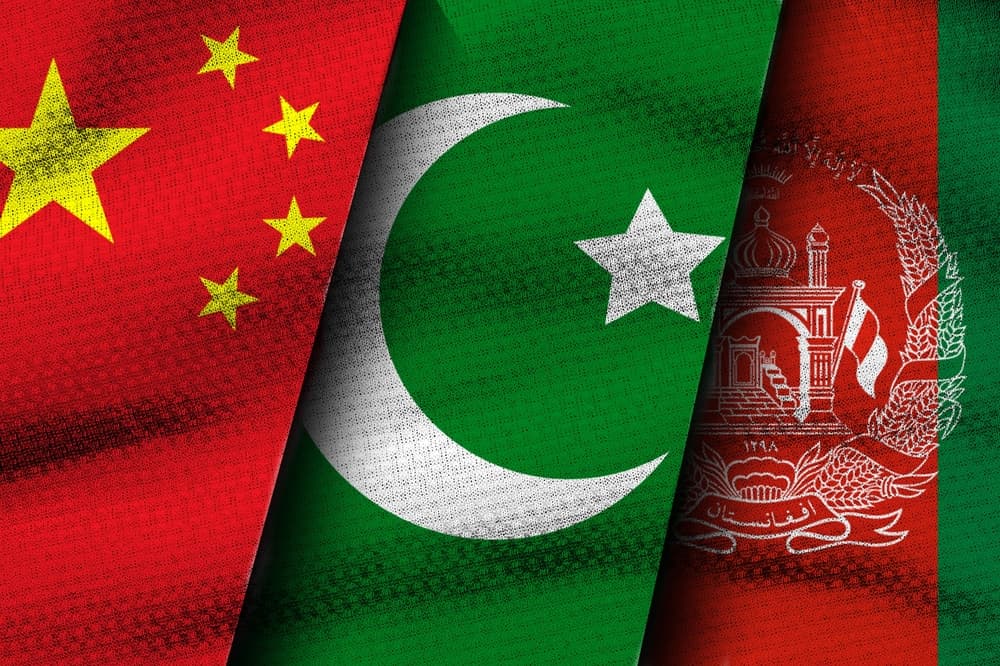
    Seven people were killed in an attack claimed by the Islamic State of Khorasan Province (ISKP) in the commercial district of Shahr-e-Naw. The attack, which is part of a broader anti-Chinese jihadist campaign, reignites fears for the security of investments in Afghanistan. Beijing continues to maintain a diplomatic and economic presence, while internal divisions within the Taliban leadership complicate the political and security situation.

  • Sanae Takaichi's snap election sends Japan to the polls in just 16 days

    The prime minister announced the early dissolution of the lower house, elected in October 2024. The next election is set for 8 February. She explicitly asked voters to give her a strong mandate. Initial polls are mixed: half of voters did not want an early vote, but few consider the new centrist alliance formed by the two main opposition parties a serious challenger.

AsiaNews Weekly
News from Asia that matters

Subscribe to the newsletter to receive verified news, analysis and insights from Asian countries every week.

Subscribeto the newsletter
  • P.I.M.E. Centro Missionario
  • Agenzia Fides
  • P.I.M.E. Brasil
  • Radio Mondo
  • Mondo e Missione
  • P.I.M.E. U.S.A.
  • TV 2000