Russia

Featured article

The forced repatriation of Russian fugitives

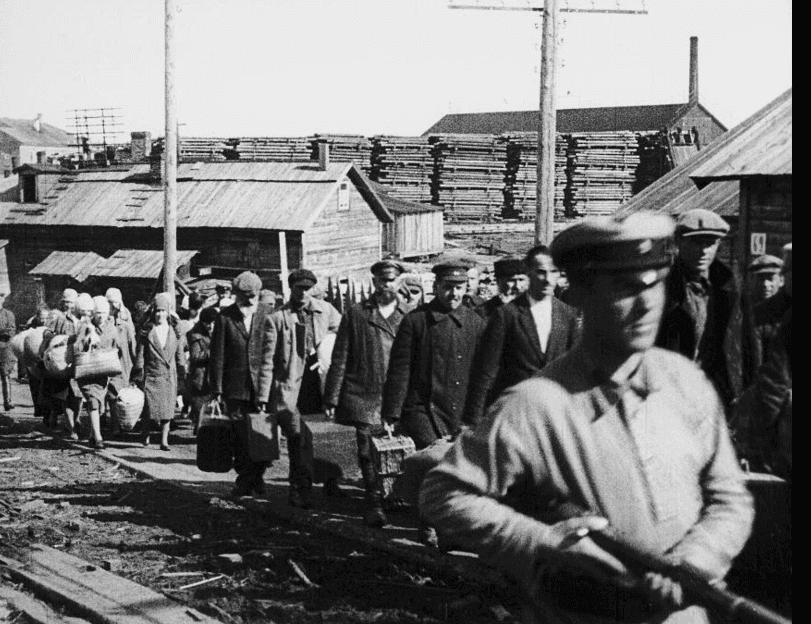
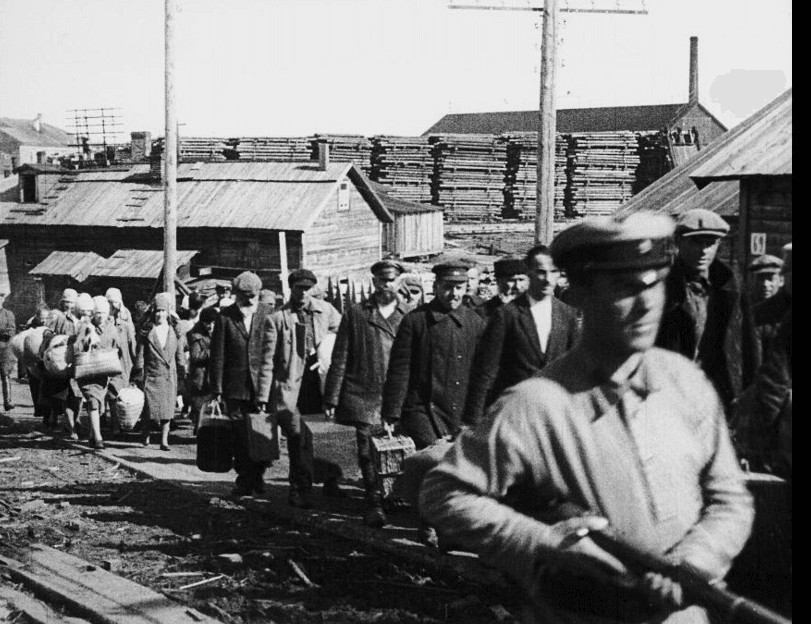
The repatriation of a Russian surveyor who had swum to safety after opposing the war has caused a stir in Riga. It serves as a reminder that, in the post-Soviet space, simply fleeing is not enough: one must contend with a web of mistrust, mutual contempt and control that outweighs any shared ideas.


  • The passing of Archbishop Pitirim, champion of “popular Orthodoxy”

    One of the most popular figures in the Orthodox Church, he died at the age of 65. A writer and poet, he was among those who championed Putin and the war in Ukraine, but was disliked by Patriarch Kirill. Pitirim became bishop of the capital of Komi in 1995, at the age of 34. His style was very popular for its informal communication, especially with young people. His odes were examples of Russia's “obedience to destiny”.

  • Racist accusations over epidemics in Russia

    The Moscow Academy of Sciences points the finger at migrants and specific groups such as gypsies and Orthodox Jews for the increase in the spread of infectious diseases such as measles. Low vaccination coverage is also felt in Russia. Epidemiologist Poznjakov: ‘It should rise to at least 95% to avoid epidemic peaks.’

  • New street names in Petropavlovsk

    Throughout Kazakhstan, work has begun on renaming streets, considered essential for “the revival of folk traditions and the strengthening of social unity”. The northern city is a prime example of this, as its name already expresses its close historical ties with the tsars. Here, the names of 28 streets in the Birlik district have been changed with the aim of harmonising the Russian and Kazakh spirits.

  • Showcase for “outstanding children” at St Petersburg Forum

    The St Petersburg International Economic Forum, personally conceived by Vladimir Putin, was the usual arena for proclaiming the “bright future” of the Russian economy. Alongside Kremlin bureaucrats, this year's event was notable for the presence of Putin's daughters and other relatives, as well as other high-ranking officials. Rather than heirs to top positions, they appeared to be influencers for the younger audience.

  • The Russian nuns of Lesna, free from Moscow

    First established in Poland in 1885, the “new convent” eventually found a home in Normandy in 1950 after a long wandering. Its history and profile attract many Russians abroad, who intend to preserve their tradition without involvement in the war-patriotic initiatives of Patriarch Kirill and other Russian Orthodox hierarchs.

  • Moscow and NATO on the Baltic

    The Estonian authorities have repeatedly stated that ‘Russia remains the greatest threat to our security’ and have announced their intention to open a new military base in Narva, the city divided in half by the river of the same name, one of the most sensitive points. But among the European population there is a growing conviction that ‘NATO defence on the border with Russia is inappropriate’, a view also supported by Donald Trump's administration.

  • The birth of the Church and the Russian Federation

    Pentecost and ‘Russia Day’ fell just a few days apart. ‘Where are you, my Church?’ asked Father Andrej Misjuk bitterly, calling for a return to a faith that ‘does not tolerate lies, does not bless those who cannot be blessed, and once again sets out on the path that leads from Jerusalem to the Eternal.’ Meanwhile, in his new ‘Fable,’ Vladimir Sorokin recounts a post-apocalyptic world.

  • Kyrgyz migrants become drug mules to Russia

    In Bishkek, notices are circulating promising earnings of up to $1,000 a week, twice the average monthly salary of a Kyrgyz worker, for “jobs” that are actually recruitment for drug couriers. Drug trafficking charges in Russia can carry a sentence of 20 years to life imprisonment. Many prisoners are sent directly to the front lines in Ukraine.

  • Teacher crisis in Russian schools

    Only 42% of graduates from teacher training colleges go on to work in schools, and many teachers are leaving the profession. Disparities in pay between Moscow and the country's suburbs are a major factor, as is the increasingly ideological approach of the entire education system.

  • Religious tourism in Russia

    Following the break with the West, a large percentage of Russian travellers have turned to domestic tourism, where religious destinations and related artistic attractions are becoming increasingly important. In this context, local operators are reviving walking pilgrimage routes, starting with the 70-kilometre route linking Moscow to the Trinity Lavra of St. Sergius.

  • Russia, the Nicene Faith and the need for peace dialogue

    Moscow recently marked the 1,700th anniversary of the first Ecumenical Council when the profession of faith was drafted. Coincidentally, Putin and Pope Leo XIV spoke on the phone, providing an opportunity to renew the dialogue between the Church of Rome and the Russian Orthodox Church. Like in the 4th century AD, after the end of the persecutions, the challenge today for the bishops of the East and West is to show modern emperors a truth greater than any claim to dominion.

AsiaNews Weekly
News from Asia that matters

Subscribe to the newsletter to receive verified news, analysis and insights from Asian countries every week.

Subscribeto the newsletter
  • P.I.M.E. Centro Missionario
  • Agenzia Fides
  • P.I.M.E. Brasil
  • Radio Mondo
  • Mondo e Missione
  • P.I.M.E. U.S.A.
  • TV 2000





