India

Featured article

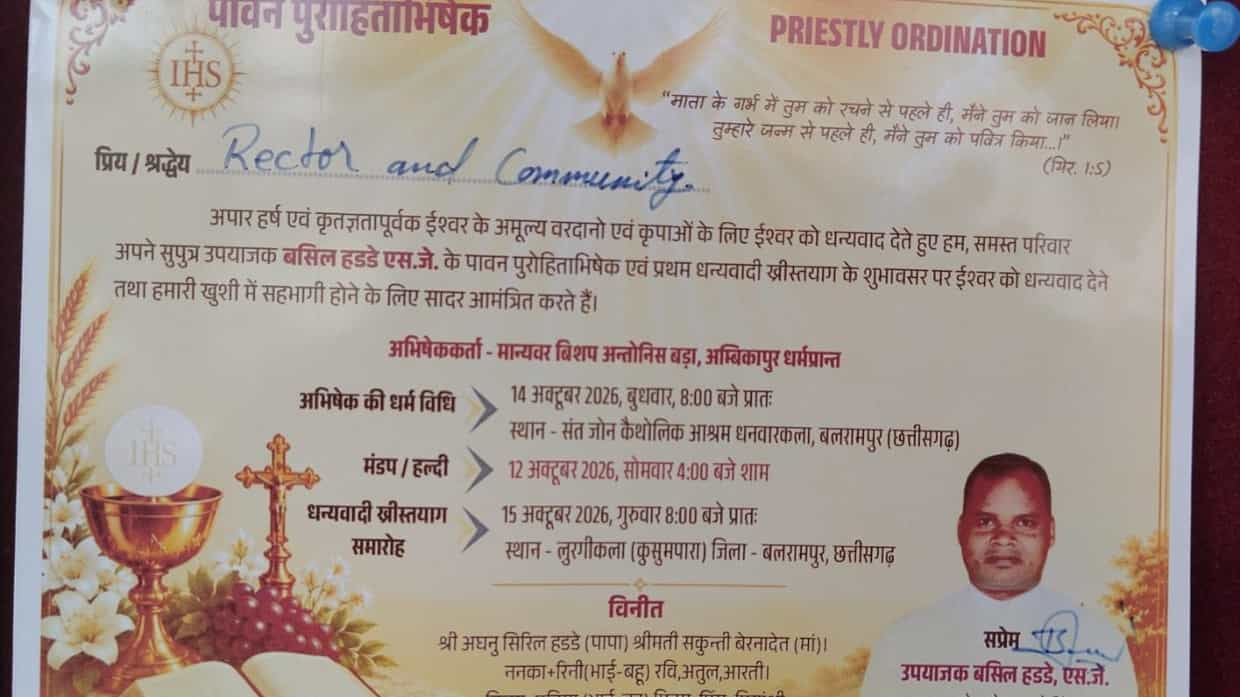
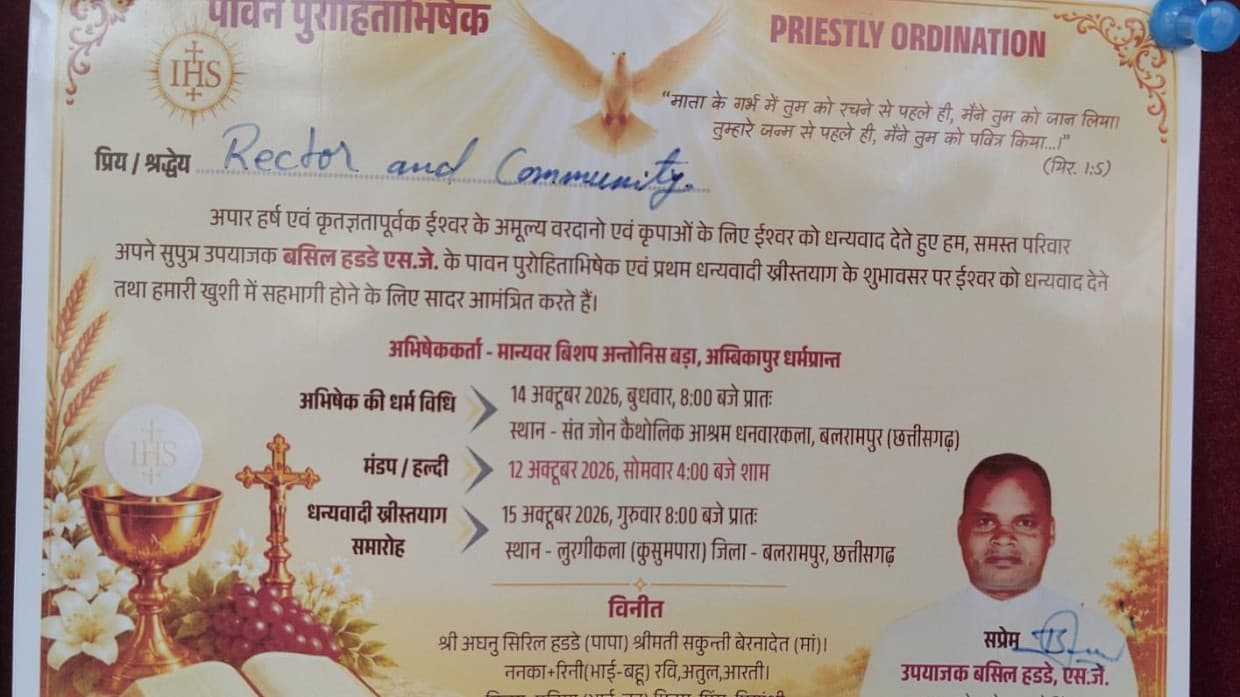
India: Officials block Jesuit ordination over conversion allegations

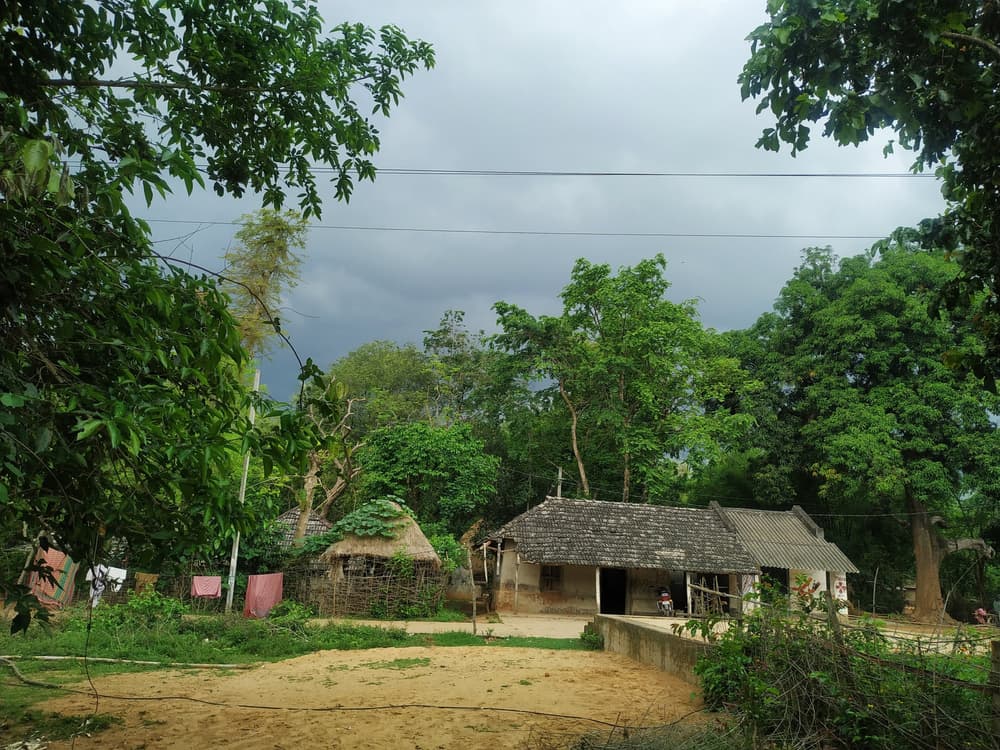
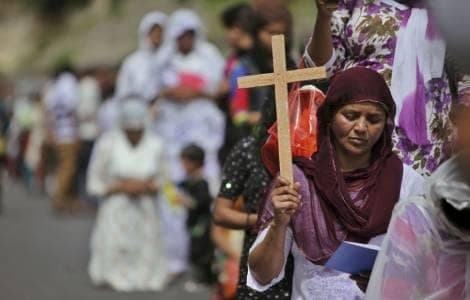
Another disturbing incident in the state of Chhattisgarh. A parish in an area inhabited by the Kodaku ethnic group has been forced to postpone the ordination ceremony because the authorities are demanding documents regarding the conversion of the deacon’s family, which took place in 1995. Meanwhile, signs have been put up outside churches restricting entry to Christians only.

  • Nepal files a protest with India over its border interference, while China looks on and remains silent

    Nepal has sent diplomatic notes to India and China protesting the reopening of the Lipulekh corridor for the Kailash Mansarovar pilgrimage. It claims sovereignty over the area, whose borders date back to colonial times. The Nepali government claims it was not consulted and accuses India of unilateral actions, while China, although remaining on the sidelines, has so far effectively backed India's position.

  • Orissa: purification ritual for the man with the corpse in the bank

    In a story that has sadly gone viral in India in recent days, a villager exhumed his sister’s remains to “prove” her death to officials who were preventing him from withdrawing money from her account. The community where he now lives wants him to perform a ritual bath and a series of other public acts to atone for the desecration. Otherwise, he will be banished.

  • Indian church convokes National Synodal Assembly in Bangalore

    Over 200 delegates, including bishops, priests and laypeople from all the Latin Rite dioceses in India, have gathered in Bangalore for the event entitled ‘Synodal Pilgrims of Hope’. The proceedings focused on four of the priorities outlined in the CCBI’s pastoral programme: accompanying young people and children, poverty and integral ecology, inclusion, interreligious dialogue and peace-building.

  • Over 37,000 Indian workers have died abroad in five years, the majority in the Gulf

    Between 2021 and 2025, 37,740 Indian workers died abroad, over 86% of them in Gulf countries, and reports of abuse and exploitation are also on the rise. However, migration flows remain central to the Indian economy, due to remittances. The crisis in the Middle East is putting pressure on an already fragile system, including from an energy perspective, and in the long term risks causing a domestic economic shock.

  • West Bengal: Mother Teresa’s nuns also in court to secure their right to vote

    As many as 55 Missionaries of Charity had been removed from the electoral roll, as had thousands of other people – mostly Bengalis – in the controversial revision imposed by the central government in New Delhi. Exit polls suggest the BJP is in the lead, but there are many doubts about their reliability as the controversy has driven turnout up to almost 93%. Official results on 4 May.

  • Orissa: new trains for the mines, despite protests from tribal communities

    The government has given the green light to a railway corridor linking the bauxite deposits at Sijimali and Kutrumali. The decision comes after violent clashes with local communities, who denounce land expropriation, environmental damage and violations of their rights, which are also enshrined in law. The government defends the project in the name of development, but protests against mining expansion have been ongoing for three years.

  • Arms race: spending continues to grow in Asia, stable in the Middle East

    According to the latest report from the Stockholm International Peace Research Institute, global military spending reached US$ 2.887 trillion in 2025, marking the eleventh consecutive year of growth. In Asia, growth is driven by China, Japan, India, and Taiwan, due to strategic rivalries and uncertainty over the role of the United States. In the Middle East, Israeli spending was down, but Turkey’s and Saudi Arabia’s were up.

  • Beijing slams the election to the 18th Tibetan parliament-in-exile

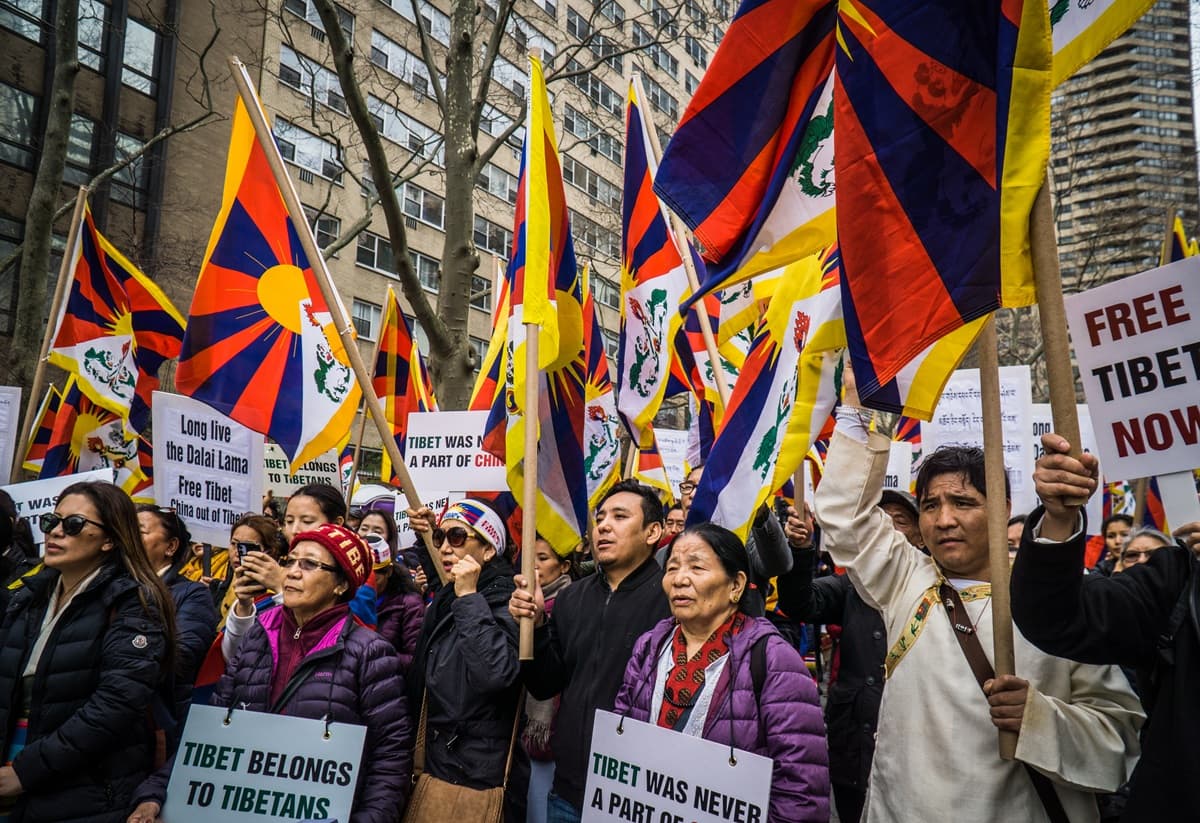
    From India to Australia, Tibetan expatriates in 27 countries elected the 45-member assembly with 93 candidates running. Just over 91,000 voters cast their ballot. The five-year parliament, based in Dharamsala, serves as the representative body for the approximately 150,000 Tibetans living in exile. Young voters call for greater attention to the community's future.

  • Law cutting foreign funding to Christian charities targets poor

    An amendment amending the Foreign Contribution Regulation Act (FCRA) has been introduced in the Lower House. Among other things, the bill proposes the establishment of an “authority” tasked with “seizing, managing and disposing of” the assets of the affected organisations. For Fr Thelakkatt, it is “cloaked in rhetoric” about “national security” but is a tool to fuel the “nationalist ideology” of Hindutva.

AsiaNews Weekly
News from Asia that matters

Subscribe to the newsletter to receive verified news, analysis and insights from Asian countries every week.

Subscribeto the newsletter
  • P.I.M.E. Centro Missionario
  • Agenzia Fides
  • P.I.M.E. Brasil
  • Radio Mondo
  • Mondo e Missione
  • P.I.M.E. U.S.A.
  • TV 2000