Articles by the author:

Andrea Ferrario

  • Chinese movies flop during this year’s Lunar New Year break

    The holiday season ended with a 40 per cent decline, an eight-year low despite the all-time record of four million screenings. Many theatres were left empty, especially in smaller cities, due to high ticket prices, competition from short videos and online series, and a saturation of patriotic productions. Meanwhile in Japan, the country’s movie industry was experiencing an exceptional boom.

  • Panama and the rest: Beijing's bet on ports

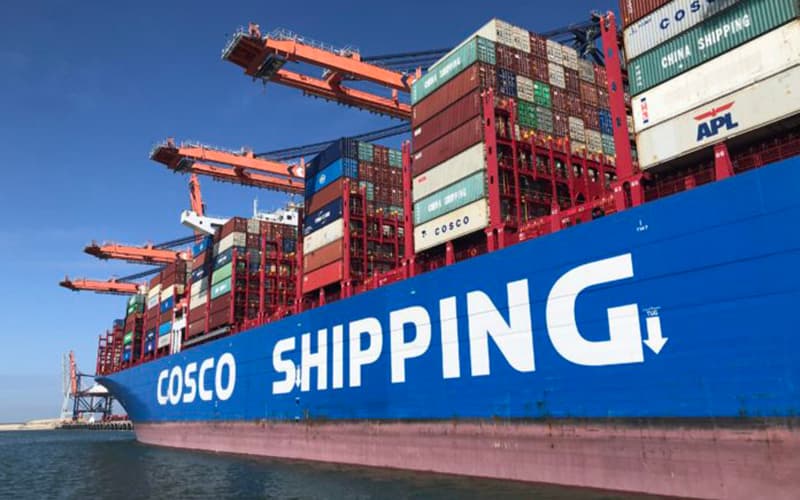
    Geopolitical tensions have put the spotlight on China's large investments in global maritime hubs. Chinese companies hold majority stakes in 17 ports, while they hold minority stakes in most others or have operational management agreements. The cases of Piraeus (Greece) and Ream (Cambodia) are noteworthy. The lack of transparency regarding their conditions is well known.

  • Beijing and the trap of permanent exports

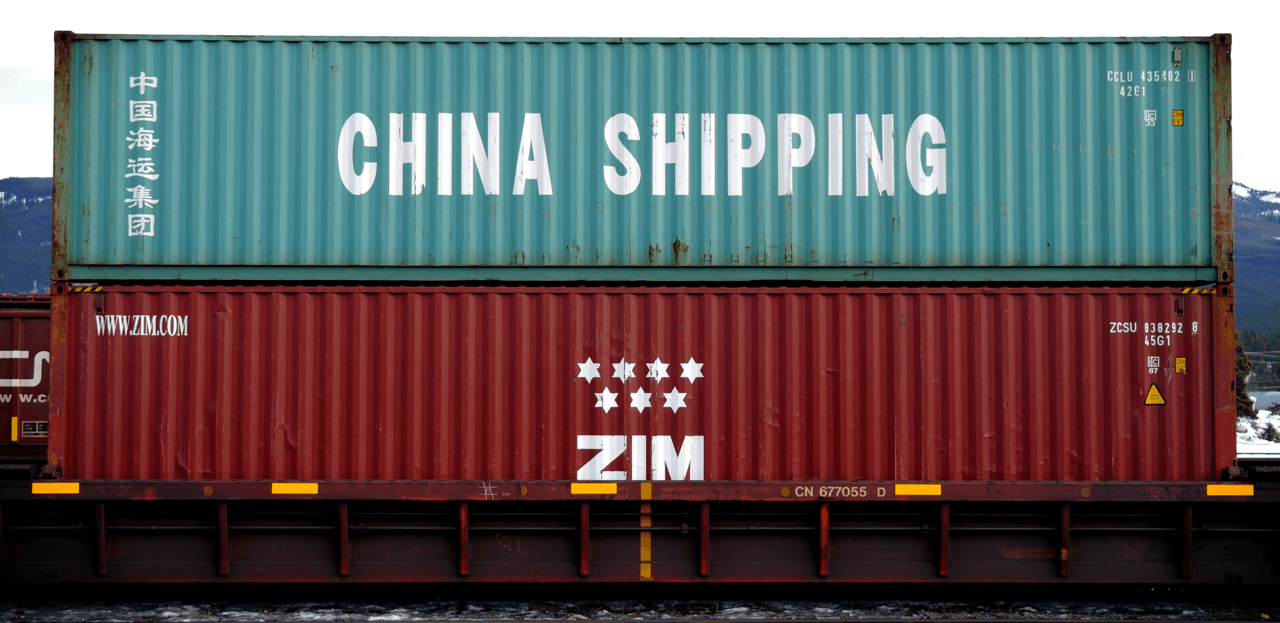
    Despite the tariff war in 2025, China broke through the $1 trillion mark in its trade surplus, 45% of which is now generated in Southeast Asia, Africa and Latin America. However, this wealth is not driving domestic consumption, because the fall in producer prices in the name of competitiveness is also squeezing wages and incomes. This is an issue that the new five-year plan due in March does not seem likely to address.

  • The obstacle course faced by Chinese female journalists

    Women's rights organizations have also long been targeted by Beijing's crackdown. As a result, opportunities for women in traditional newsrooms have been drastically reduced, while alternative online spaces remain under constant pressure. The cases of Haze Fan, editorial assistant for Bloomberg in Beijing, and Zhang Zhan, the blogger who reported on Covid in Wuhan, who has been re-imprisoned.

  • Lee's difficult game between China, Japan and the United States

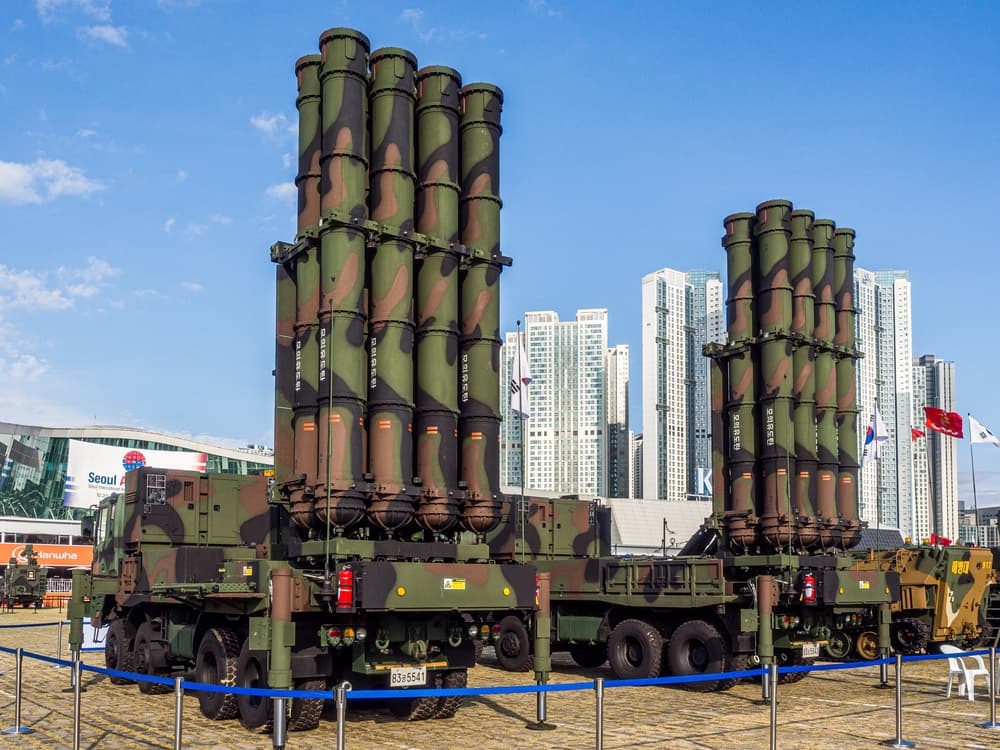
    The South Korean president's trip to China marked a significant diplomatic rapprochement between Seoul and Beijing after years of frostiness, but leaves fundamental strategic issues unresolved. Despite attempts to engage on the Pyongyang dossier, the Chinese government avoids any reference to denuclearisation. Economic agreements signed by Korean conglomerates on rare earths and strategic minerals

  • Chinese high-speed train between Jakarta and Bandung 'total flop'

    The Indonesian consortium that controls 60% of the route inaugurated two years ago recorded losses of over $250 million in 2024. This year, losses are expected to increase further. The project is part of the Belt and Road Initiative, but from the outset it appeared to be economically unsustainable. It is not the only case among the major railway projects in Southeast Asia. Nevertheless, Prabowo is intensifying his embrace of Beijing.

  • Medicines: China's new geopolitical lever

    In recent years, Beijing has moved from mass production of generic drugs to investing in advanced biomedical research. Thanks to a growth model very similar to that adopted for electric cars, it now controls 80% of global active ingredients. The Fentanyl case has shown the importance of this card, described as a “nuclear option” in trade wars. But China still needs the West to hold its own in this market.

  • Social privileges and government policies block social mobility in South Korea

    The youth unemployment rate is estimated to be around 30 per cent. Those left without assistance are excluded from a system that primarily rewards inheritance. Debt has become a "structural condition" for access to education, employment, and housing. When banks close their doors, many end up in the hands of loan sharks. The result is a growing human cost in terms of suicides and malaise.

  • Labubu dolls sewn in the countryside and the boom in precarious work for women in China

    From dolls that have become a global phenomenon to large technology factories and the delivery sector, a system is increasingly spreading in China that relies on the ability to transform individual needs and family obligations into a virtually unlimited willingness to work. Women themselves are being pushed to abandon stable contracts (guaranteed only on paper) in favour of temporary and seasonal employment.

  • Tokyo: Young people's growing isolation within national borders

    Only 17.5% of Japanese citizens currently hold a valid passport. This reflects not only the weakness of the yen but also the forced withdrawal of the younger generations. To combat this growing isolation, new solidarity initiatives are emerging, as well as corporate and technological responses. But the social framework remains stuck.

  • The rise (and fragility) of China's alternative to the dollar

    Over the past five years, Chinese loans and deposits in renminbi abroad have quadrupled, while CIPS (Beijing's alternative to SWIFT) is growing in Central Asia, the Middle East, and other strategic areas. But the plan remains China-centric, because to truly rely on a global currency, Beijing would have to give up control over capital flows, a choice Xi Jinping believes is incompatible with internal stability.

  • When North Korean workers raise their heads

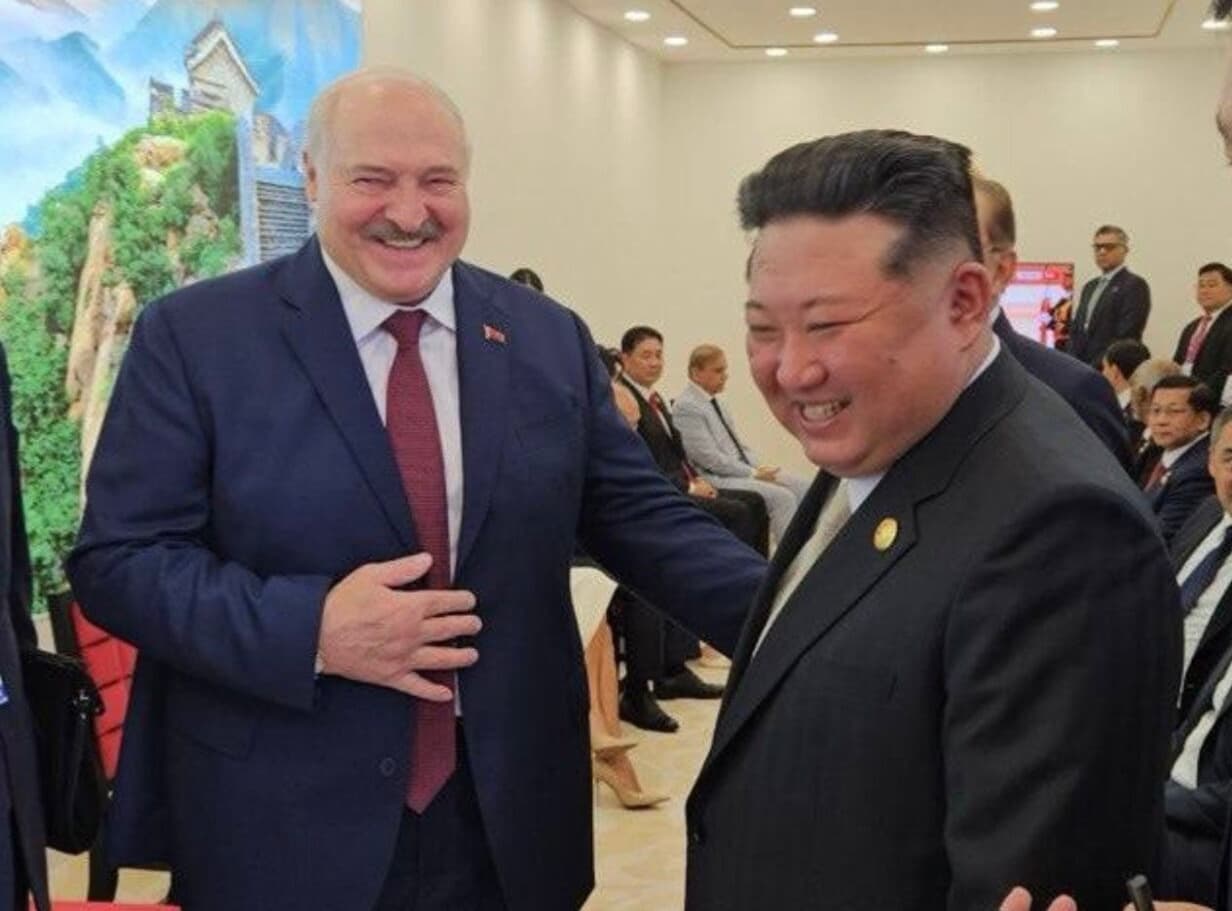
    Informal employment is exploding in North Korea because of a drop in orders from China and lower wages. Tensions are also rising among the workers Kim supplies to China, fuelled by ever-increasing deductions from their wages to ensure revenue for the North Korean regime. Meanwhile, Russia has become North Korea’s new El Dorado, at a cost of extensive linguistic and cultural isolation for workers.

AsiaNews Weekly
News from Asia that matters

Subscribe to the newsletter to receive verified news, analysis and insights from Asian countries every week.

Subscribeto the newsletter
  • P.I.M.E. Centro Missionario
  • Agenzia Fides
  • P.I.M.E. Brasil
  • Radio Mondo
  • Mondo e Missione
  • P.I.M.E. U.S.A.
  • TV 2000