Articles by the author:

Giuseppe Caffulli

  • Ecumenical and international: Orthodox university opens at the site of Jesus’s baptism

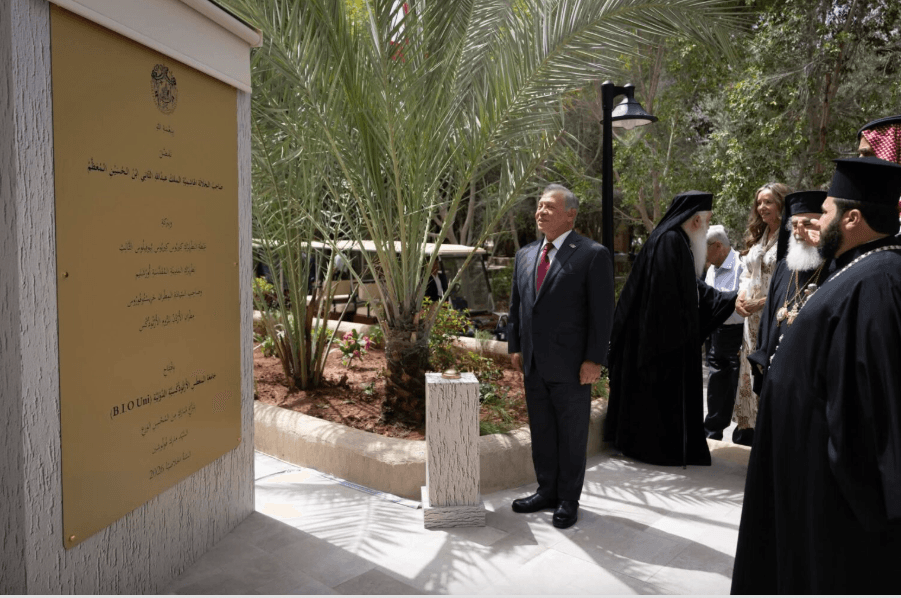
    Inaugurated recently in Jordan, the establishment is not just an academic initiative but a project that combines education, interreligious dialogue, and the development of spiritual heritage. The goal is to make Al-Maghtas a centre for study and reflection on early Christianity, where history, theology, and culture intertwine. This vision looks to 2030, when the two-thousandth anniversary of Jesus’s baptism will be celebrated at the site.

  • Saudi Arabia's new centre of gravity, from the Persian Gulf to the Red Sea

    The war with Iran has triggered a shift in Riyadh that is not merely geographical. Neom, Yanbu, and Jeddah are no longer just scenic elements of Vision 2030, but strategic infrastructures for survival. Hence, Mohammed bin Salman is trying to avoid all-out war with Iran (which would also jeopardise the Red Sea) in a context where the US is no longer a guarantor of stability.

  • Gaza and the Board of Peace's unfulfilled promises

    The Gaza Strip remains in limbo. While the war is not truly over, timid attempts to restore political normalcy have been made amid unresolved contradictions. Fatah held local elections in Deir el-Balah on 25 April, but Hamas maintains local networks. The Board's only funding came thus far from the United Arab Emirates and Morocco, invested on the future local police force. Meanwhile, 80 per cent of families still depend on water distributed by tankers.

  • Orthodox Jews, military service and women: the breaking point for Israel’s religious community

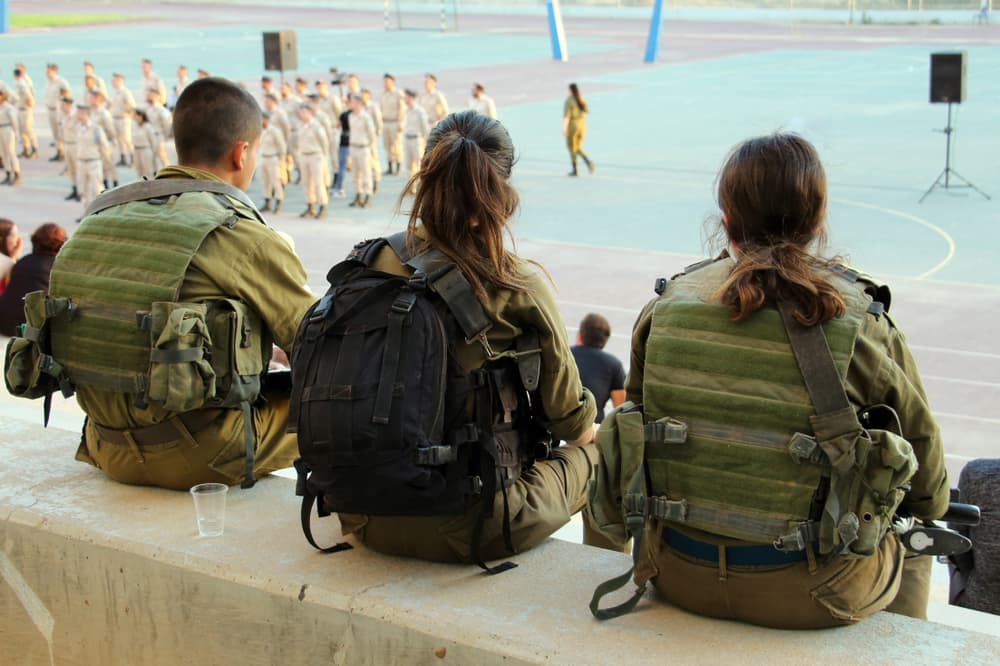
    Military service reflects the divisions within society and serves as a political battleground. Women make up over 21% of combat troops, but religious leaders fear that gender integration could drive observant Jews away from combat units. “Intermediate” solutions are being considered to avoid promiscuity. The unresolved issue of the Haredim and Naftali Bennett’s “repositioning”.

  • Amman focusing on rail to revive transport halted in Hormuz

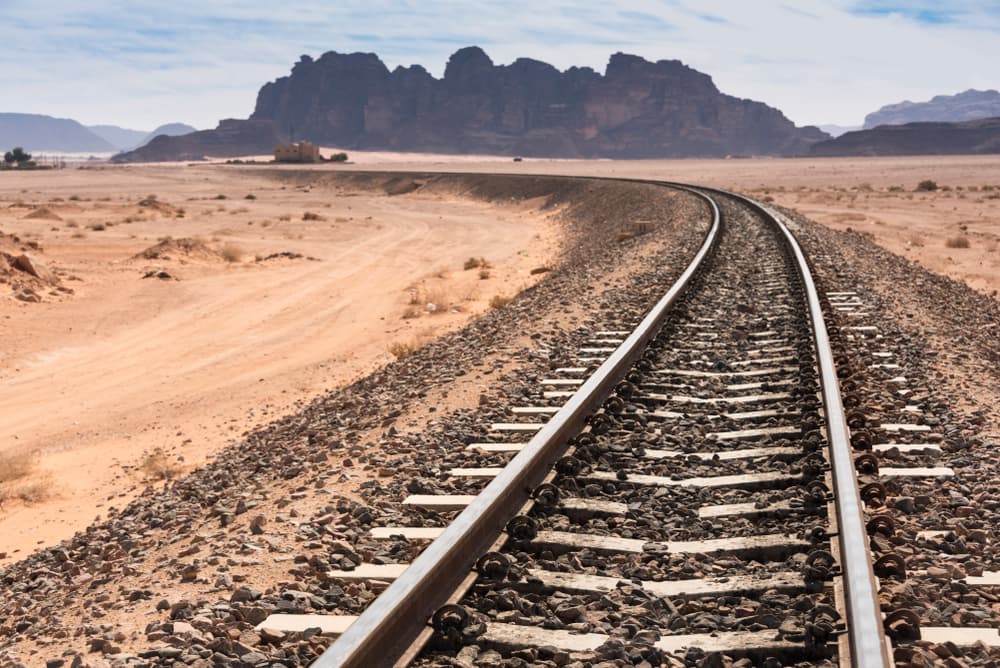
    The Aqaba Port Rail Project is a cornerstone of the economic and logistical transformation of the transportation corridor between the Gulf and Europe. The project is set to begin in 2027 with a five-year construction timeframe. Concerns remain over regional instability, financial sustainability, and coordination among the various stakeholders involved. The construction of a dry port in Jordan’s southern region of Ma'an is also under consideration.

  • UNRWA warns of ‘fragile and worrying’ humanitarian situation in forgotten Gaza

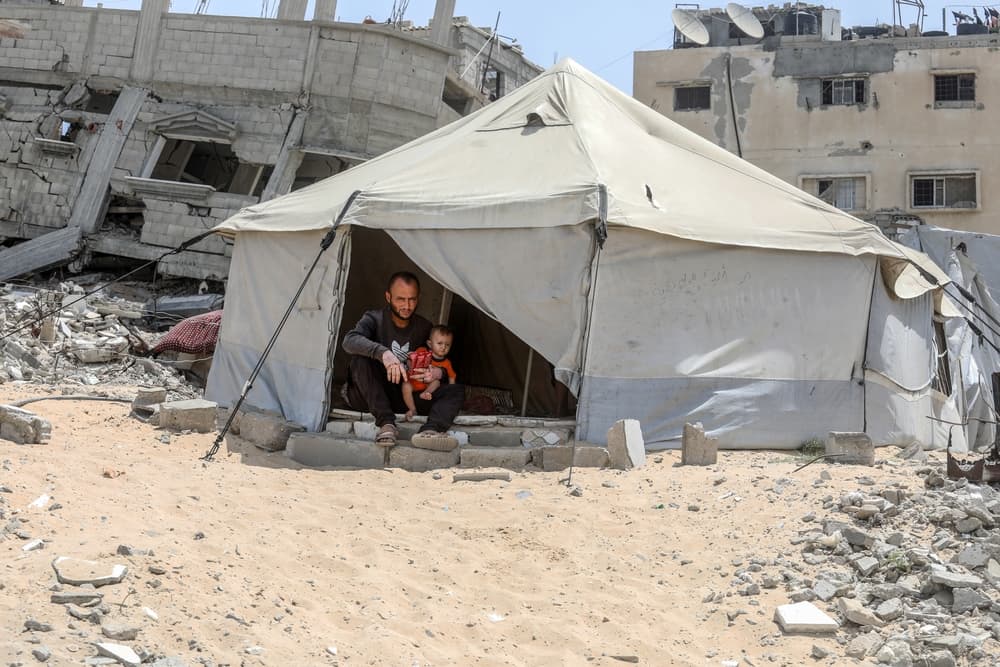
    The conflict with Iran, the Gulf crisis and devastating attacks in Lebanon are overshadowing the tragedy in the Strip. Over 21,000 children have been killed, nearly 45,000 injured, and at least 58,000 have lost one or both parents. There is a shortage of drinking water and medicines, and infectious diseases are spreading. The aid system is paralysed. Restrictions imposed by Israel are taking their toll, whilst Hamas is weakened but not disarmed.

  • Holy Sepulchre archaeologist: “Why there can be no Easter without the rites here”

    The Franciscan Amedeo Ricco – one of the key figures in the excavations that have brought to light new evidence supporting the Gospel accounts – comments on the celebrations in Jerusalem following the ‘incident’ on Palm Sunday. ‘We are experiencing a quieter Easter, which takes us back to our roots. But the Sepulchre remains the living heart from which to proclaim that death does not have the final say.’

  • Road 45 to increase the number of Israeli settlers in the West Bank

    In the shadows cast by war in the Palestinian territories, construction work is progressing on projects designed to “normalise” life in Jewish settlements. Work began at the end of February on a new road connecting settlements north and south of Ramallah with Israel proper. The US$ 215-million investment will benefit places inhabited by just a few tens of thousands of settlers. But the goal is to “bring one million residents to Judea and Samaria.”

  • In the shadow of missiles: forgotten, Yemen is starving

    Even before war broke out again in the Gulf, UN agencies were reporting that more than 20 million Yemenis were experiencing severe food insecurity in the country divided by the conflict with the Houthis that has been raging since 2014. Many families have been forced to eat only one meal a day, mostly watered-down food, while vaccination campaigns are in crisis because of aid cuts. For humanitarian workers, this is the most dangerous phase in recent years.

  • The Gulf War: What if migrant labor were to come to a standstill?

    While the world’s attention is focused on the passage of ships through the Strait of Hormuz, there is another vital “economic resource” that the war is seriously jeopardizing: the labor of nearly 40 million foreign workers, who make up the majority of the population in many local cities. A prolonged crisis, with a massive wave of returns, would also have serious consequences for the countries of origin in South Asia, Southeast Asia, and other Arab nations.

  • What is the cost of war for Israel and the Middle East?

    According to the most recent estimates, the conflict with Hamas in Gaza alone has cost the equivalent of one-fifth of Israel's economy. And today, billions of dollars are being burned every week in attacks on Tehran. The paradox is that hundreds of billions are being spent on war, while little more than crumbs remain for reconstruction and development.

AsiaNews Weekly
News from Asia that matters

Subscribe to the newsletter to receive verified news, analysis and insights from Asian countries every week.

Subscribeto the newsletter
  • P.I.M.E. Centro Missionario
  • Agenzia Fides
  • P.I.M.E. Brasil
  • Radio Mondo
  • Mondo e Missione
  • P.I.M.E. U.S.A.
  • TV 2000