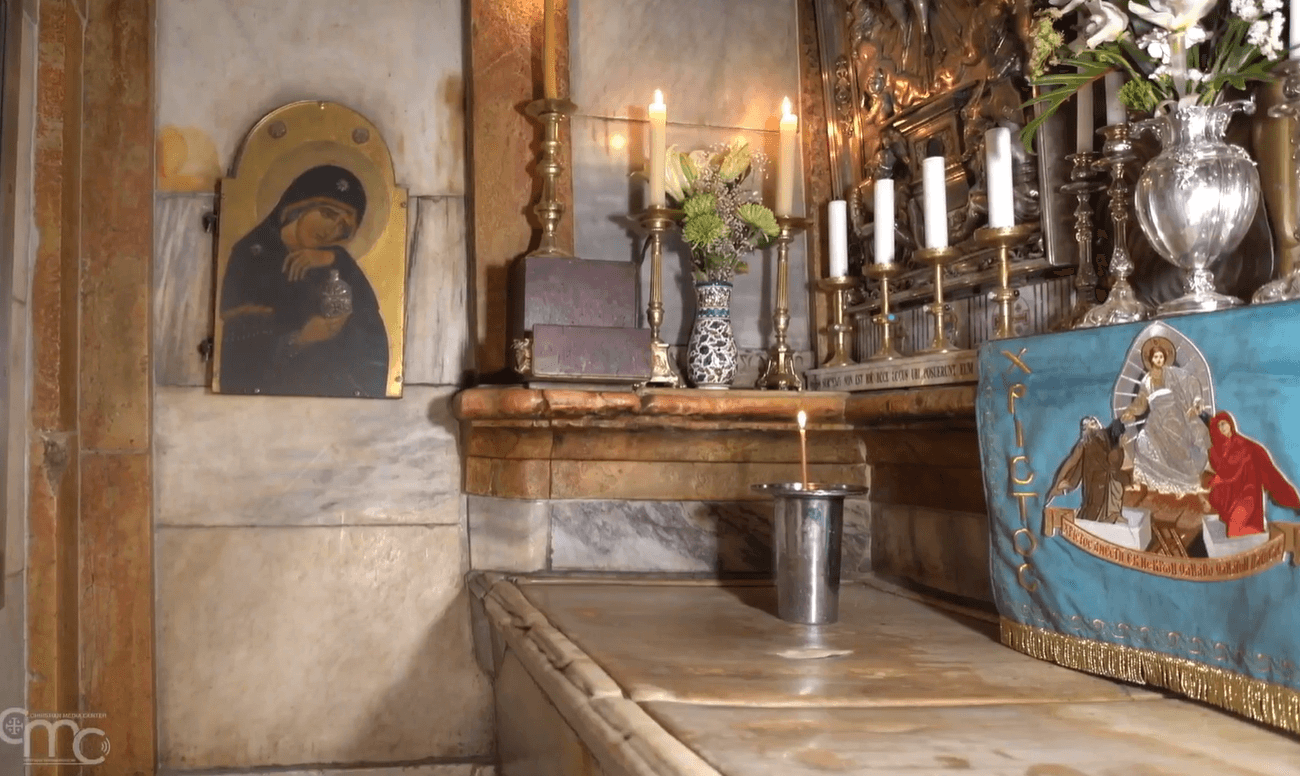
The Franciscan Amedeo Ricco – one of the key figures in the excavations that have brought to light new evidence supporting the Gospel accounts – comments on the celebrations in Jerusalem following the ‘incident’ on Palm Sunday. ‘We are experiencing a quieter Easter, which takes us back to our roots. But the Sepulchre remains the living heart from which to proclaim that death does not have the final say.’
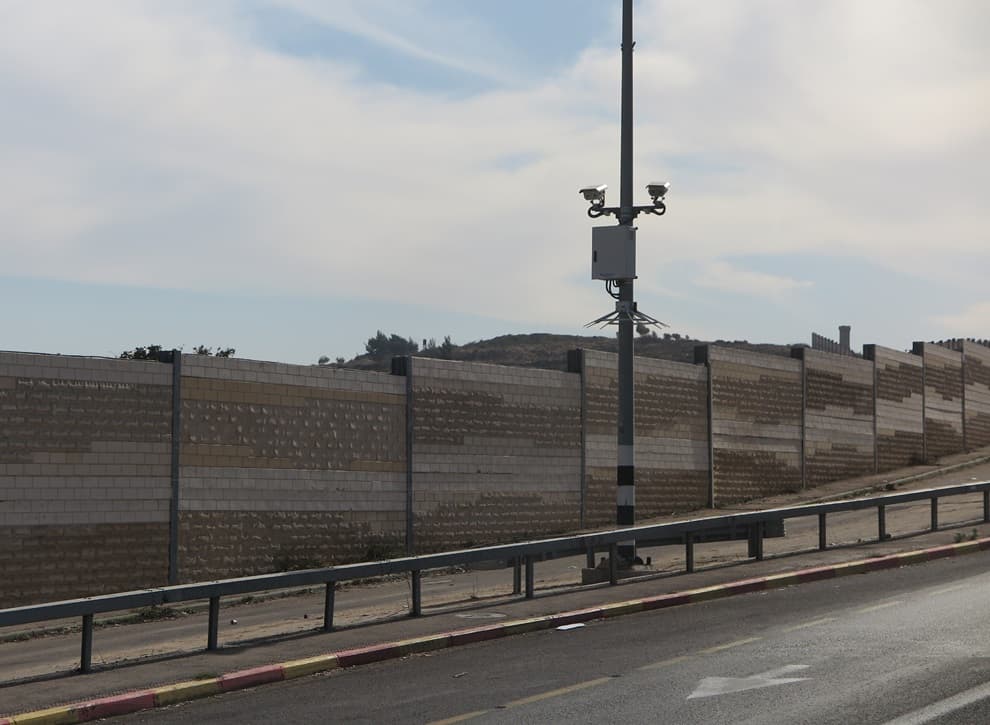
In the shadows cast by war in the Palestinian territories, construction work is progressing on projects designed to “normalise” life in Jewish settlements. Work began at the end of February on a new road connecting settlements north and south of Ramallah with Israel proper. The US$ 215-million investment will benefit places inhabited by just a few tens of thousands of settlers. But the goal is to “bring one million residents to Judea and Samaria.”
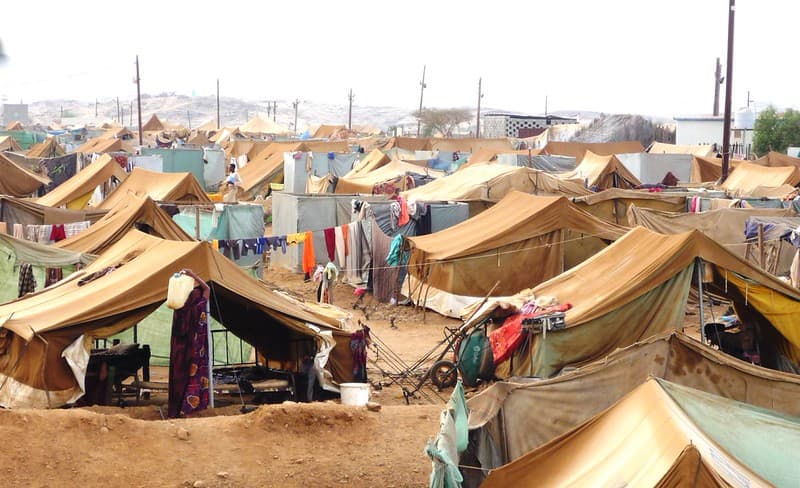
Even before war broke out again in the Gulf, UN agencies were reporting that more than 20 million Yemenis were experiencing severe food insecurity in the country divided by the conflict with the Houthis that has been raging since 2014. Many families have been forced to eat only one meal a day, mostly watered-down food, while vaccination campaigns are in crisis because of aid cuts. For humanitarian workers, this is the most dangerous phase in recent years.
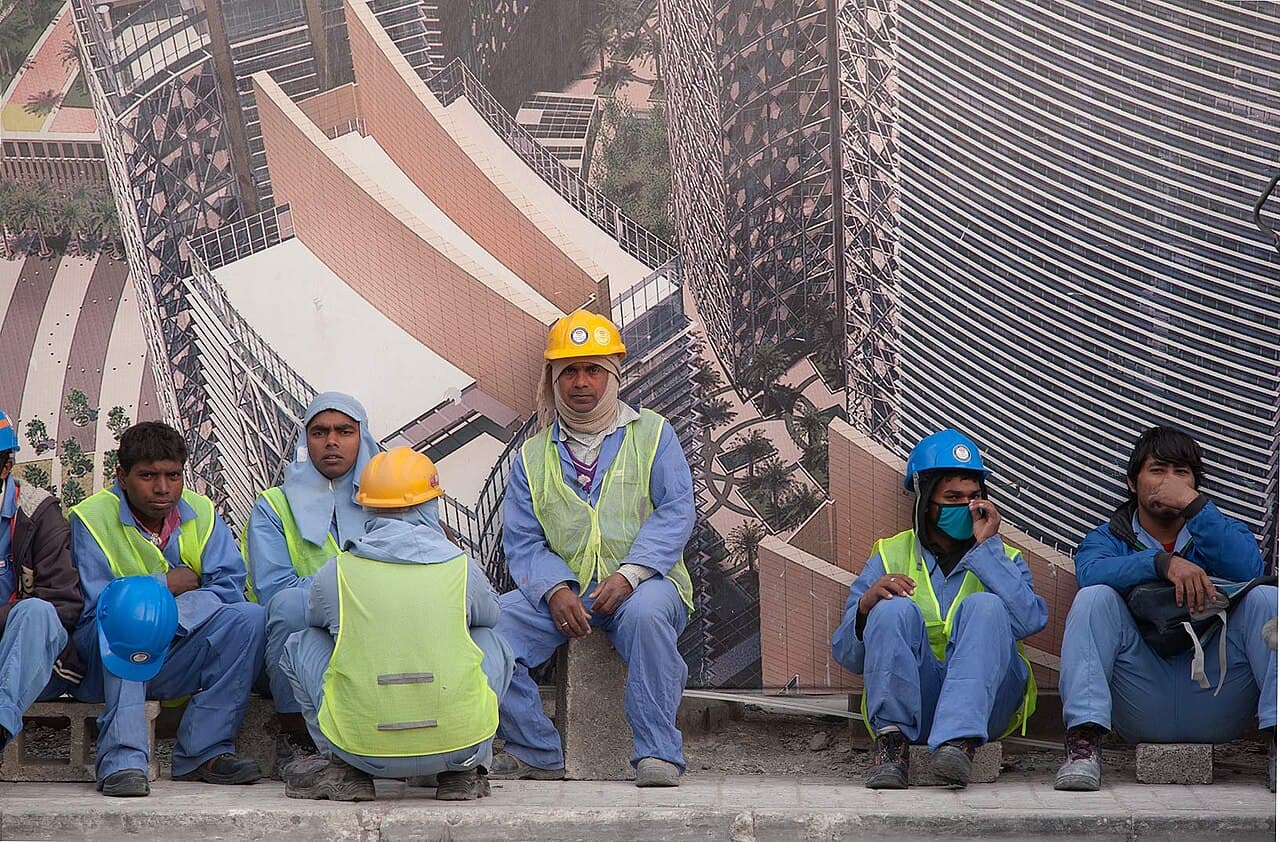
While the world’s attention is focused on the passage of ships through the Strait of Hormuz, there is another vital “economic resource” that the war is seriously jeopardizing: the labor of nearly 40 million foreign workers, who make up the majority of the population in many local cities. A prolonged crisis, with a massive wave of returns, would also have serious consequences for the countries of origin in South Asia, Southeast Asia, and other Arab nations.
According to the most recent estimates, the conflict with Hamas in Gaza alone has cost the equivalent of one-fifth of Israel's economy. And today, billions of dollars are being burned every week in attacks on Tehran. The paradox is that hundreds of billions are being spent on war, while little more than crumbs remain for reconstruction and development.
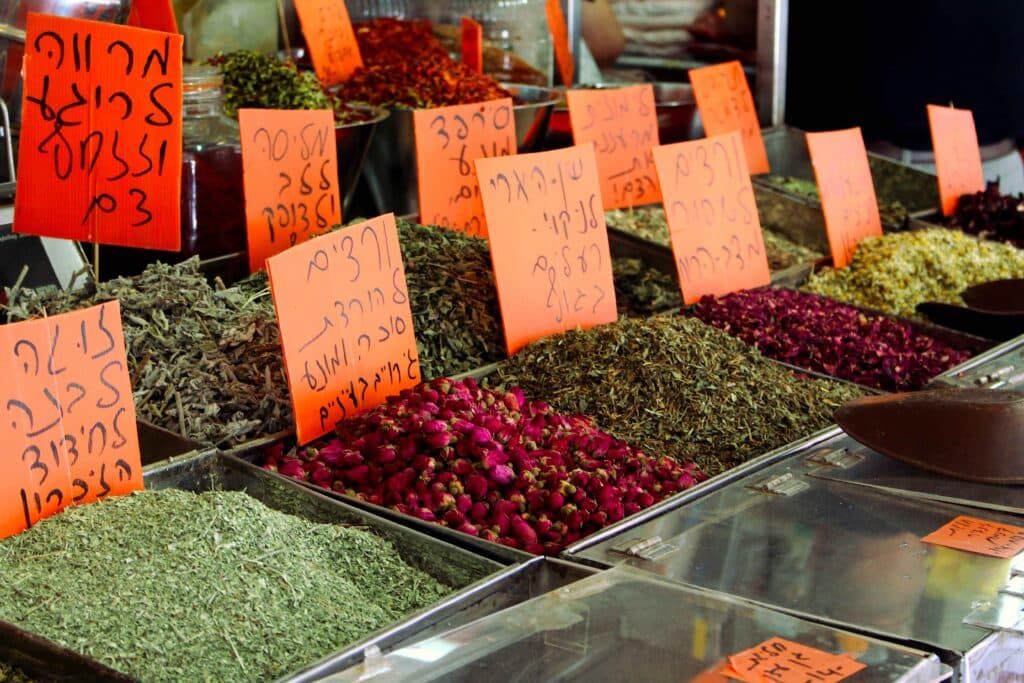
Despite mutual hostility and sanctions that have led to today's devastating war, there is a bridge that Israelis of Persian origin have never wanted to break with today's Iran: that of the most characteristic ingredients of their cuisine. These have always continued to arrive through the most “fantastic” triangulations at Tel Aviv's Levinsky Market.
After years of diplomatic isolation and restrictions on movement, 395,000 Jordanian citizens visited Syria in 2025. Families, young people and independent travellers cross the border for short stays, cultural visits or family reunions. The project to reactivate the historic Hegiaz railway within the year. A recovery that contrasts with the crisis in tourism in Amman, victim of regional crises.
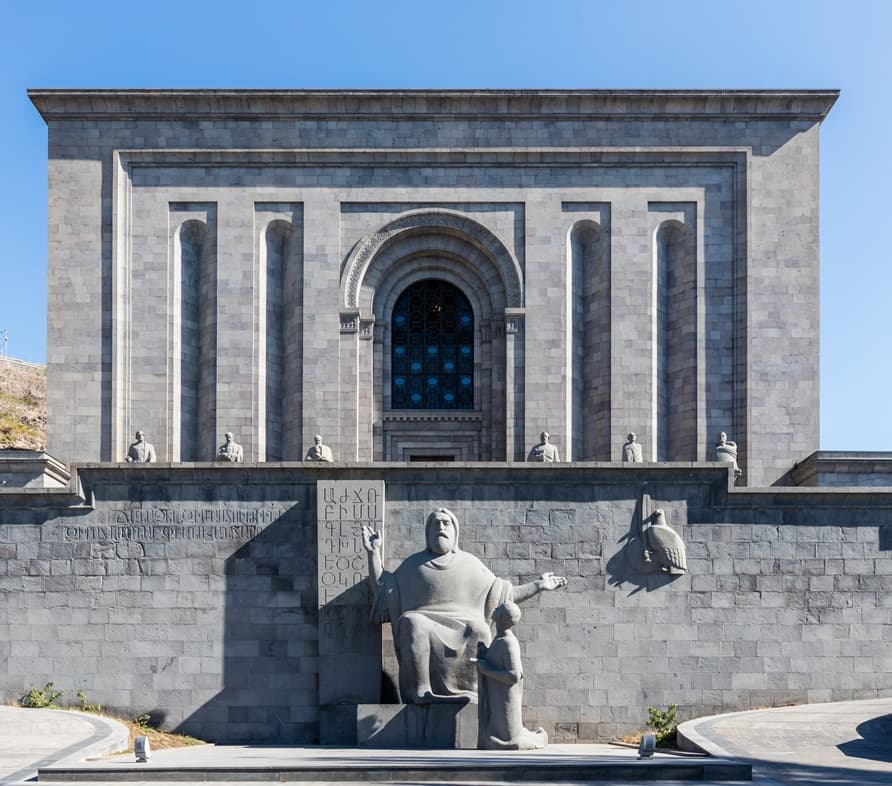
Pašinyan's government will place a sculpture dedicated to the writing created by the monk Mesrop Mashtots to translate the Bible in an area adjacent to the European Parliament headquarters. A symbol of national pride, resilience and the deep bond between faith and culture in the first Christian nation in history. It is also a political message about the current leadership in Yerevan's view of Europe.
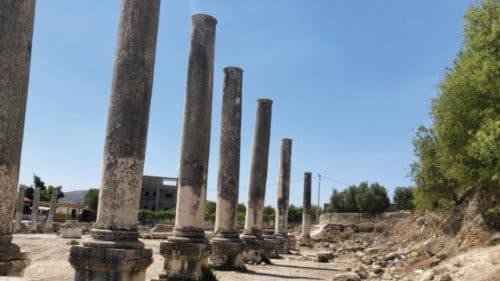
The entire area of the ancient city of Samaria north of Nablus has been expropriated and separated from the nearby Palestinian village in the name of promoting only the Jewish period of its history. Meanwhile, the Knesset is discussing the establishment of an authority to extend control over archaeological assets even in areas assigned to the Palestinian Authority.
An interview with Card. Stephanos II Ghattas, patriarch of Egypt's Coptic Catholic Church. Cairo (AsiaNews) Some days ago the first meeting occurred between the Catholic Church and Egypt's Orthodox Churches. Representing Catholics was Card. Walter Kasper, president of the Pontifical Council for Christian Unity. During the meetings, the Coptic Orthodox pope, Shenouda III, appeared briefly to share his greetings. Church leaders agreed to make an appointment to meet again in Rome next Jan. 25 2005. Meanwhile, Christian Churches in Egypt are persecuted, sometimes in subtle or violent ways. In order to have an idea of the ecumenicalism and missionary work-martyrdom experienced by these Churches, "Mondo e Missione" interviewed Card. Stephanos II Ghattas, patriarch of the Coptic Catholic Church of Egypt (see. Feb. 2004 issue). Today we will offer an update on violence used against Christians on www.asianews.it .