Caucasus

Featured article

  • New regulations on Georgian wine

    A new law on local viticulture – the finest in the former Soviet states – is about to come into force in Tbilisi. A step towards meeting European quality standards and preventing the spread of viruses among crops. But small farmers fear that the introduction of a licensing system will encourage the formation of a closed circle amongst the major producers.

  • Iranian drone over Azerbaijani airport: the context and reactions

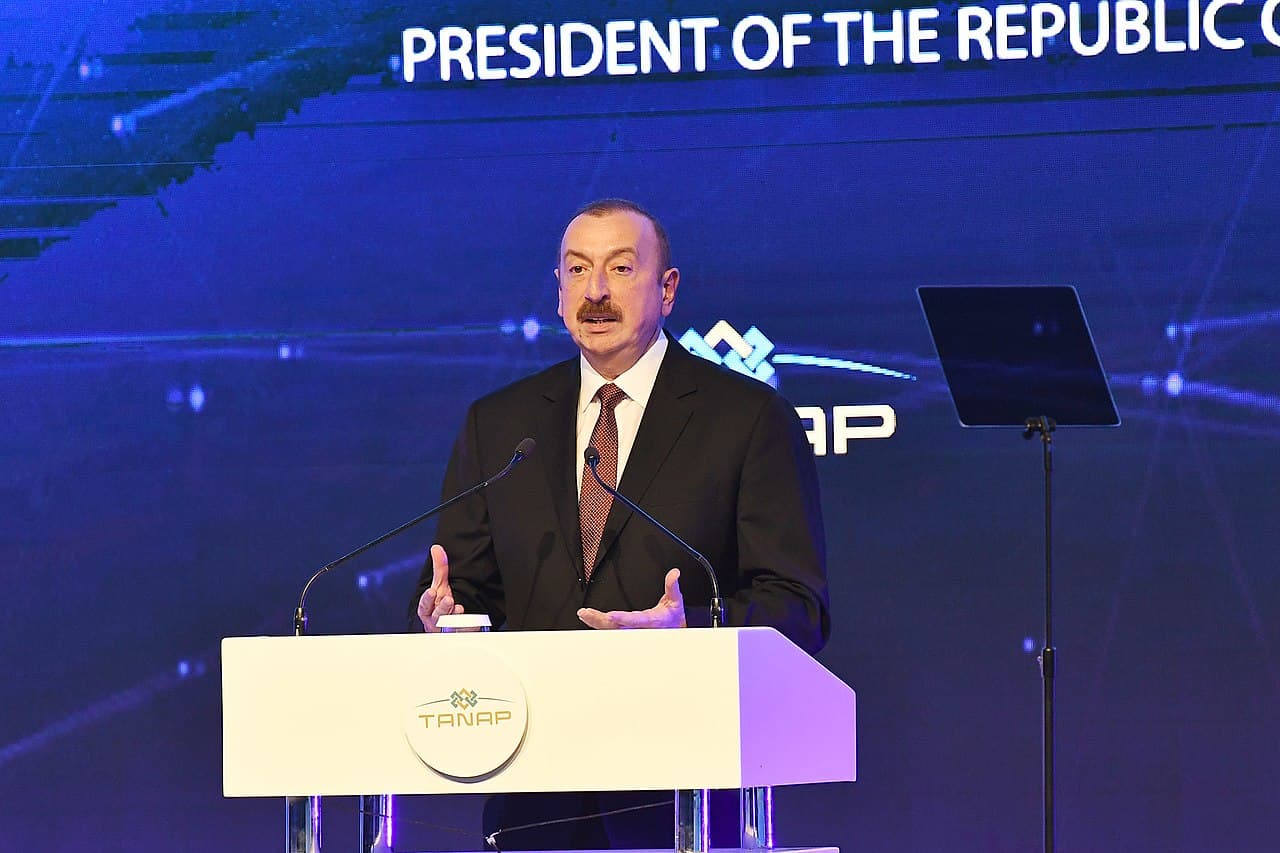
    Nakhchivan was hit in the enclave that is supposed to be reconnected to Baku with the corridor provided for in the agreement signed by Trump to end the war with Armenia. The historic dispute with Iran over overlapping territories and different interpretations of the Shiite variant of Islam. Tehran denies responsibility, but Aliyev says he is ready to “defend his country's security and territorial integrity”.

  • Opposition parties seek unity in Tbilisi

    The parties opposed to the pro-Russian Georgian Dream are trying to agree on a common platform with the aim of bringing about early and ‘legitimate’ parliamentary elections to overthrow the current government without conflict. However, the disagreements between the various forces are far from resolved.

  • The Armenian alphabet in Strasbourg, an act of diplomacy and identity

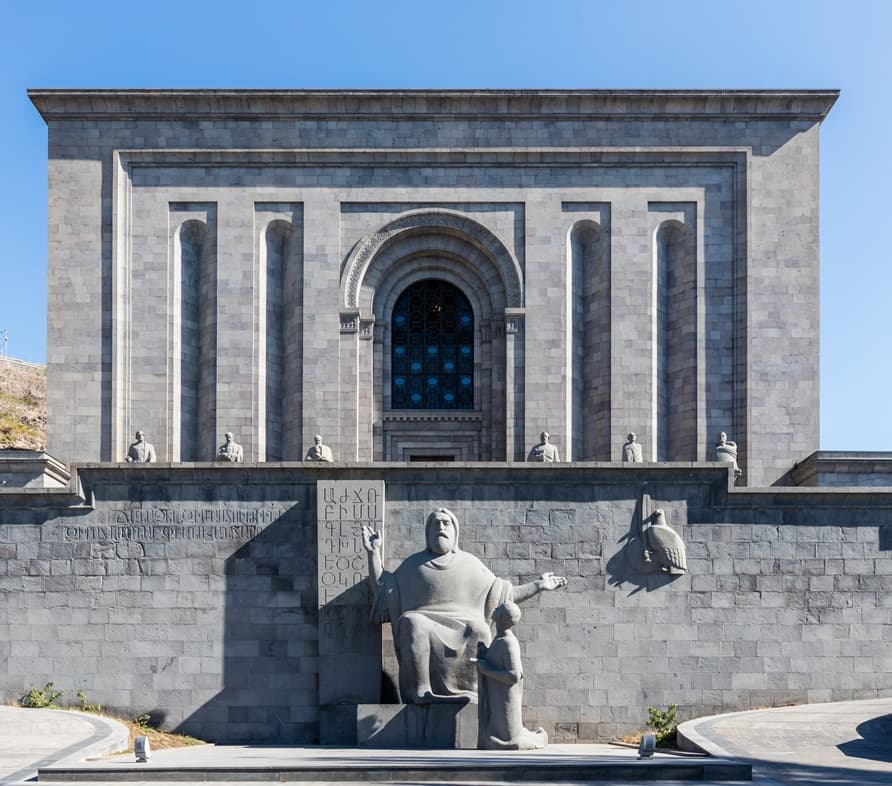
    Pašinyan's government will place a sculpture dedicated to the writing created by the monk Mesrop Mashtots to translate the Bible in an area adjacent to the European Parliament headquarters. A symbol of national pride, resilience and the deep bond between faith and culture in the first Christian nation in history. It is also a political message about the current leadership in Yerevan's view of Europe.

  • Russians protest Armenian conflict between Church and State

    In the city of Armavir, a thousand Armenians took to the streets wearing red armbands to support the bishops and priests imprisoned in the clash between Pashinyan and the Apostolic Church. Moscow views these initiatives with sympathy, concerned about the pro-Western initiatives of the current government in Yerevan that call into question Russia's role as traditional guardian.

  • The Georgian Dream and freedom of expression

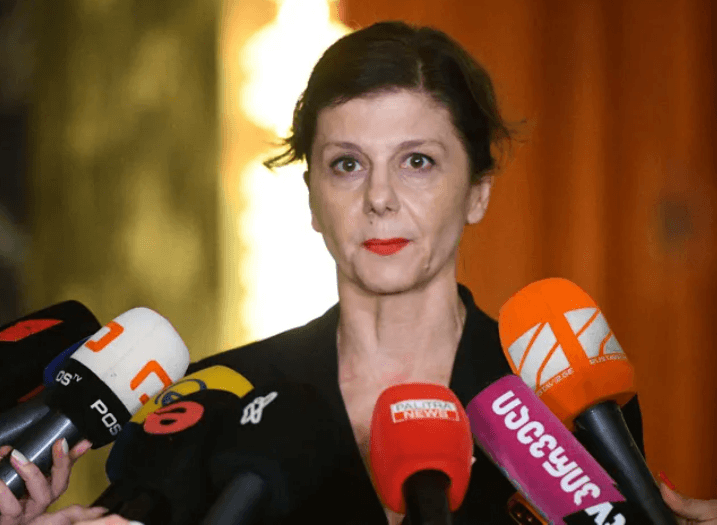
    Prime Minister Kobakhidze declares himself ‘available at any time for discussions with members of the pro-Western opposition’. But these same forces, which do not recognise the legitimacy of his government, remind him of their leaders in prison and the approval of the law against ‘foreign agents’. Meanwhile, Tbilisi is cut off from trade agreements between Azerbaijan and Armenia.

  • Tbilisi's schools return to schools to Soviet times

    From standardised textbooks prepared directly by the ministry to uniforms, education in Georgia is returning to the practices of the former Soviet Union. Even the age of enrolment in the first year has been raised to 6, reducing the number of classes in the entire school cycle to 11. The promise: ‘In all schools there will be a single approach, a single standard, a single level of quality.’

  • The long march of the Georgian Dream

    Iraklij Kobakhidze defends the appeal to the Constitutional Court to outlaw the main opposition forces and says he wants to remain at the helm of the Georgian government until 2030, ‘hoping that the approaches of the European bureaucracy will change’. The National Movement's accusations: the current administration is increasingly transforming Georgian society into a totalitarian dictatorship.

  • Armenia's (stuffed) pumpkin far deeper than Halloween

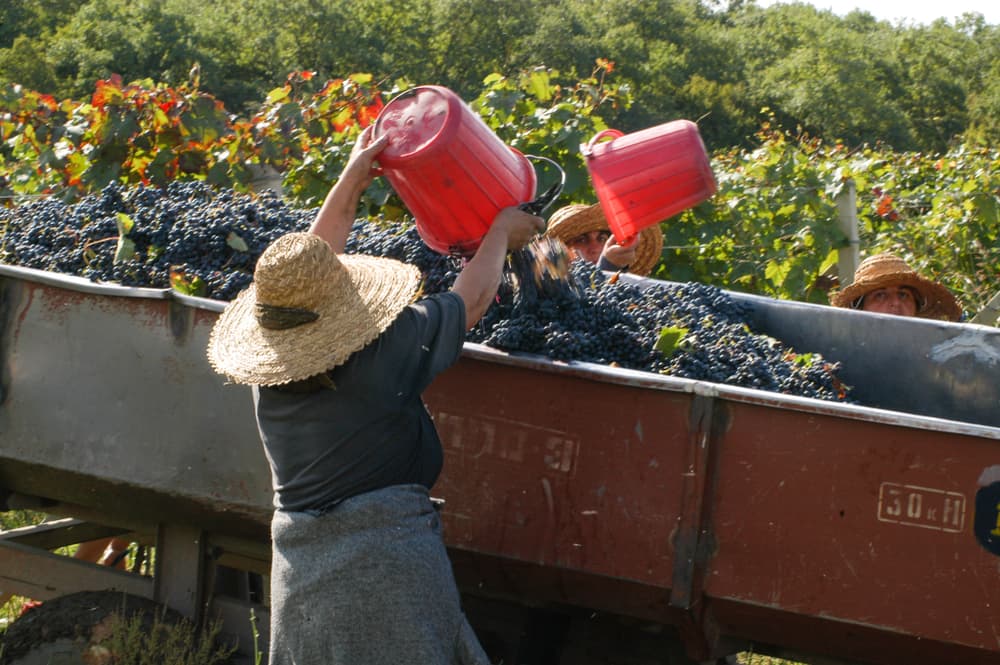
    The traditional dish that has been celebrated in Yerevan for centuries at the end of October to mark the end of the harvest is a thanksgiving for nature's generosity and a wish for a peaceful winter for those engaged in agricultural work. The filling with thousands of grains of rice represents the whole of humanity, which absorbs the sweetness of the other ingredients inside the pumpkin without losing its own specificity.

  • Decline of Mekhtiev, Russia's right-hand man in Baku

    After representing the ruling classes for half a century, at 87 he has been accused of wanting to overthrow the Aliyev regime. His arrest is symbolic of Azerbaijan's new position on the international stage, which is bringing to fruition the military campaign to reconquer Karabakh and redefine relations with other countries in the Caucasus and the Middle East.

AsiaNews Weekly
News from Asia that matters

Subscribe to the newsletter to receive verified news, analysis and insights from Asian countries every week.

Subscribeto the newsletter
  • P.I.M.E. Centro Missionario
  • Agenzia Fides
  • P.I.M.E. Brasil
  • Radio Mondo
  • Mondo e Missione
  • P.I.M.E. U.S.A.
  • TV 2000