Central Asia

Featured article

  • Artificial rain in Kazakhstan (and Kyrgyzstan’s concerns)

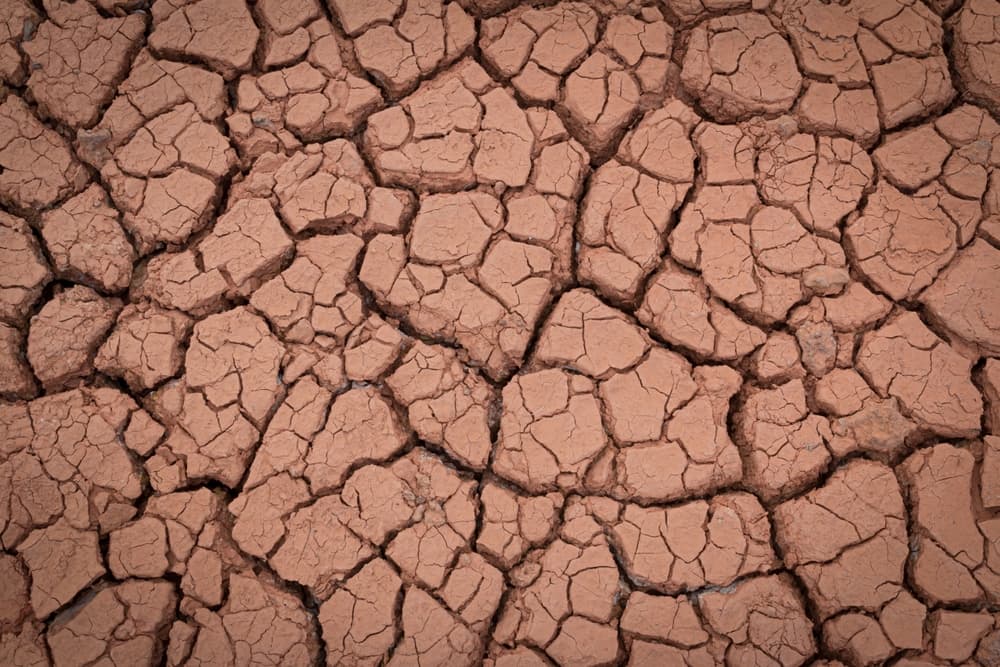
    With technical support from the United Arab Emirates, the government in Astana is the first in Central Asia to trial cloud-seeding systems, designed to provide moisture to agricultural land even during dry seasons. But former Kyrgyz Prime Minister Akylbek Zaparov has sounded the alarm: artificially induced rainfall in one region could have a negative impact on the climate of another.

  • Kyrgyzstan to represent Asia on the UN Security Council

    The former Soviet republic has defeated the Philippines in the run-off for one of the non-permanent seats. A sign of the shift in the geopolitical balance of Central Asia, which until now had been represented for a single two-year term by Kazakhstan. Beijing’s support (hostile to Manila over the South China Sea dispute) proved decisive, bringing with it many votes from countries in the Global South.

  • Witchcraft in Tajikistan

    Despite a ban under Islamic law and doctrine, amulets and exorcism performed by mullahs or shaman are widespread in Tajikistan. According to a well-known legend, 40 inseparable spirits rule the world, believed to be able to ward off all human misfortunes.

  • Islamic finance in Kyrgyzstan

    In recent years, alongside conventional loans and deposits, this sector has grown significantly in the country and is no longer a niche market: the volume of financing based on Islamic principles has reached 21.1 billion som, an increase of almost sixfold.

  • Central Asia and the Future of Architecture

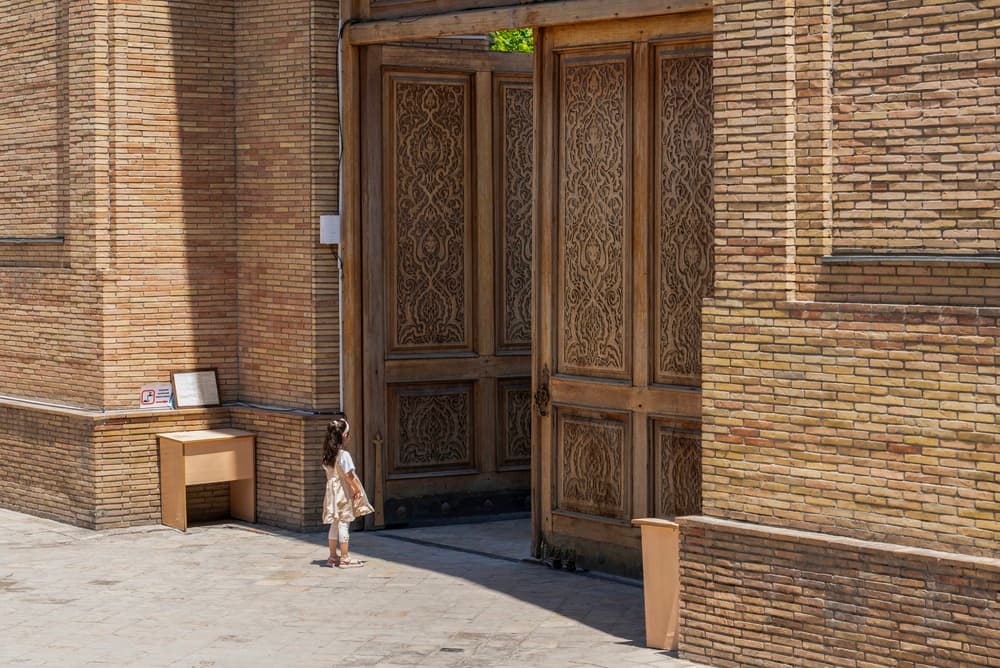
    At the CAU Arch Summit 2026, architects, urban planners, and designers discussed the future of the urban environment, the role of technology, and the region’s cultural heritage. Star architect Bjarke Ingels: “This region preserves a centuries-old conception of space: the challenge for the new generation is not whether to modernize, but how to develop this heritage without destroying it.”

  • Rakhmon’s visit to Beijing (flanked by Trump and Putin)

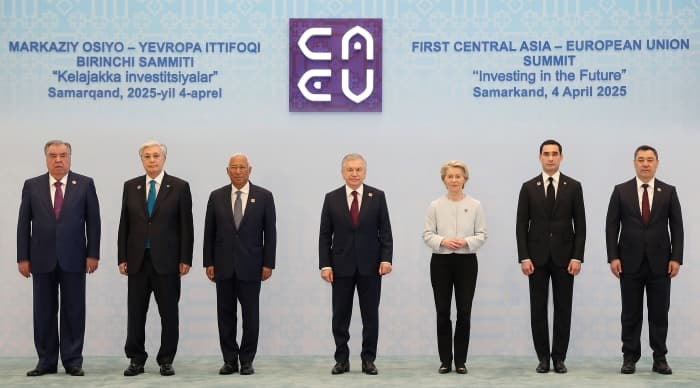
    The Tajik president’s trip has confirmed just how strategic a region Central Asia is for China today, a strategic importance made all the more vital by the various geopolitical fault lines. Beijing is banking on the gas pipeline running through the region, but also on its significance for the security of its own borders. And in relations with local governments, its proximity – not just geographical – gives it an advantage over its Western rivals.

  • A major trade area for Central Asia

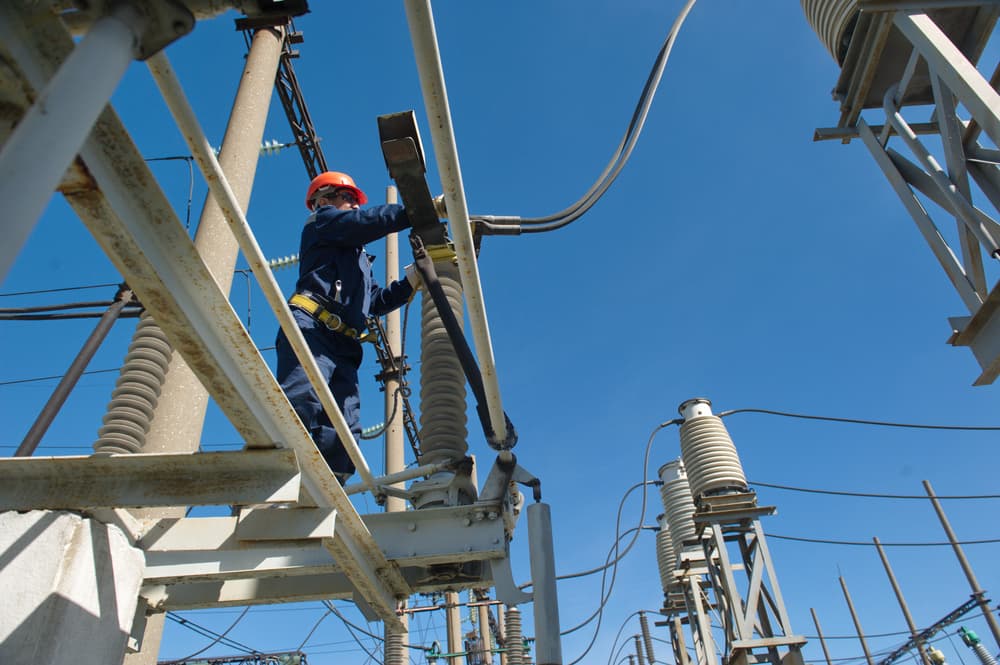
    The Chamber of Commerce, which brings together local businesses, is pushing for an integration programme for the region through logistics hubs, industrial parks, processing facilities, export platforms and joint investment projects. It is looking at a wider area than just the former Soviet republics, also including Afghanistan, Pakistan, Iran and Mongolia.

AsiaNews Weekly
News from Asia that matters

Subscribe to the newsletter to receive verified news, analysis and insights from Asian countries every week.

Subscribeto the newsletter
  • P.I.M.E. Centro Missionario
  • Agenzia Fides
  • P.I.M.E. Brasil
  • Radio Mondo
  • Mondo e Missione
  • P.I.M.E. U.S.A.
  • TV 2000