Central Asia

Featured article

  • Tajikistan debates AI

    Dushanbe is also gearing up to promote the widespread use of AI systems. To demonstrate its benefits, the Minister of Industry cites the answers provided on the Avesta, the collection of sacred texts of the Zoroastrians written in a language known today only to a few scholars around the world.

  • Zaparov removes the head of security services in Bishkek

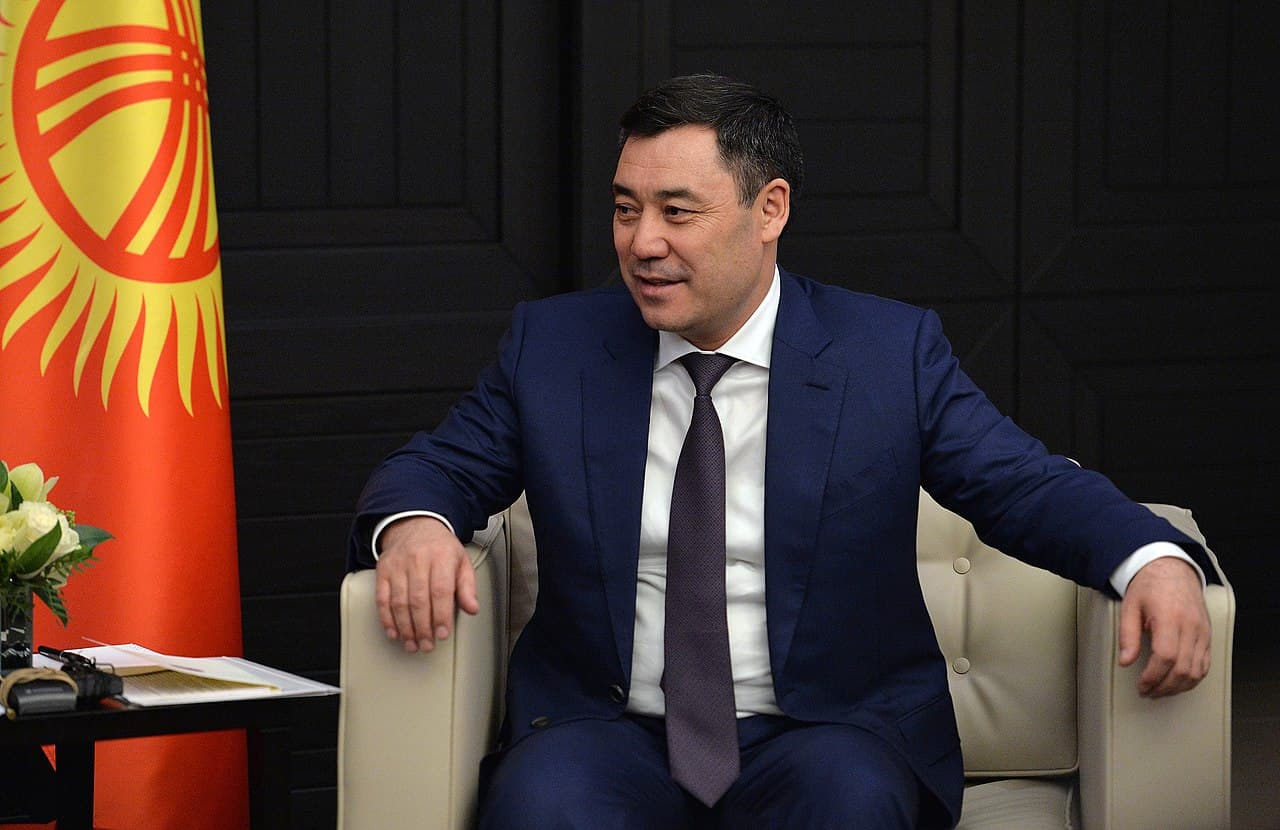
    General Tašiev, considered the real strongman of the country over the last five years, has been sidelined. According to an interview given by the president himself, some members of parliament had begun to fuel opposition between him and the head of the Gnkb, the local branch of the former KGB, in a country that has already experienced several coups d'état in the post-Soviet era.

  • Help for single mothers in Central Asia

    According to the latest census in Kazakhstan, there are almost 424,000 mothers living alone with minor children. In Astana, a businesswoman has started a volunteer organisation that helps those who give birth without anyone by their side. Her idea has now been replicated in Uzbekistan.

  • United States sets sights on Central Asian potential

    Never before have the Americans tried so hard to show Central Asians how mutual cooperation can compensate for the inevitable irritation of Russia and China. The approach of the current Trump administration is to put ideological issues aside and focus on economic advantages, finding much greater harmony with the historical “satraps” of the region.

  • Uzbek land handed over to the Chinese

    China is the main foreign investor in Uzbekistan, with large capital inflows for new projects, but the growing Chinese presence is causing great concern among farmers. Data from the Uzbekistan National Institute of Statistics last year counted 17,900 farms with foreign participation, of which almost 7,000 with Chinese capital

  • Changes in Astana's institutions according to Tokaev

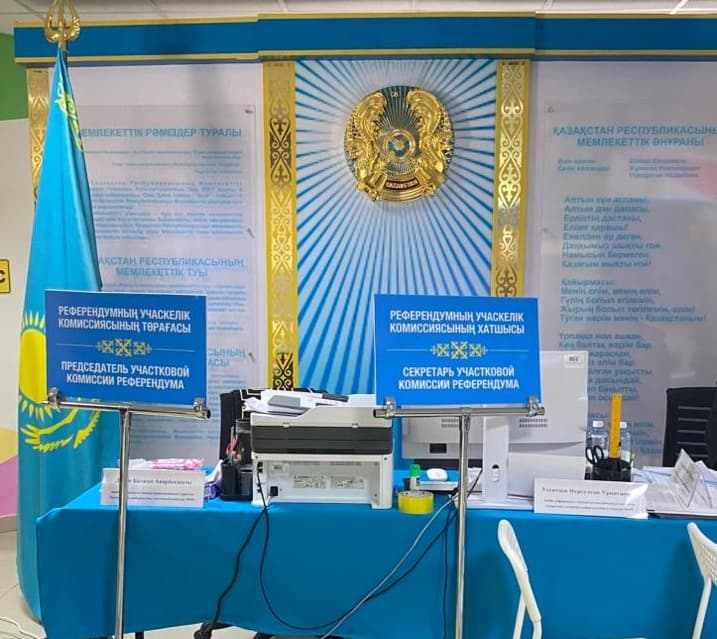
    Speaking at the fifth national assembly in Kyzylorda, the president presented the fundamental parameters of constitutional changes to free the country from the clans that have dominated it for over thirty years. He insisted on the need to prioritise administrative discipline, with technological acceleration at its service.

  • Nesta, from Bishkek to the Youth Council in France

    A 12-year-old Kyrgyz girl who immigrated with her family seven years ago has been elected in Sommières to the body that promotes youth participation in public life. Her parents are proud: "In Central Asia, there is no freedom of expression, even for adults. I hope that one day my daughter will be able to make a significant contribution to life in Kyrgyzstan."

  • The old and new oligarchs of Kazakhstan

    A figure completely unknown to the general public, the young builder Shakhmurat Mutalip, has put himself forward as a buyer for several billion dollars of Kazakhstan's leading mining company, the latest step in his meteoric rise in Astana. The suspicion is that he has inherited the legacy of the power groups that prospered in Tokaev's shadow.

  • The end of “Lenin's light bulbs” in Kyrgyzstan

    In Majluu-Suu, the historic factory that symbolised the electrification of the Soviet Union promoted by Vladimir Ilič is on the verge of closing down for good. Incandescent light bulbs, once exported abroad, have now been replaced by LED bulbs produced in China. The Kyrgyz authorities are seeking to convert the factories, but almost 60% of the city's inhabitants have now emigrated in search of work.

  • Russian threats to Central Asian countries

    According to Dugin and Soloviev, the former Soviet republics ‘have no right to independence’ and must reunite with Russia to avoid becoming slaves to China, America or Europe. Local governments have issued only feeble protests, invoking the ‘spirit of strategic partnership’. The suspicion that the two propagandists are saying ‘what the Russian leadership does not want to express openly, but which in reality corresponds to its plans’

  • Drugs and corruption threaten security in Tashkent

    Report by the head of the Uzbekistan Security Service: drug trafficking is constantly on the rise, especially with regard to the spread of synthetic drugs among young people. In 2025, 1,083 state employees were suspended for corruption and other crimes related to abuse of power. ‘Destructive ideas’ spread through digital networks are also being targeted.

AsiaNews Weekly
News from Asia that matters

Subscribe to the newsletter to receive verified news, analysis and insights from Asian countries every week.

Subscribeto the newsletter
  • P.I.M.E. Centro Missionario
  • Agenzia Fides
  • P.I.M.E. Brasil
  • Radio Mondo
  • Mondo e Missione
  • P.I.M.E. U.S.A.
  • TV 2000