Tajikistan

Featured article

  • Tajikistan's totalitarian elections

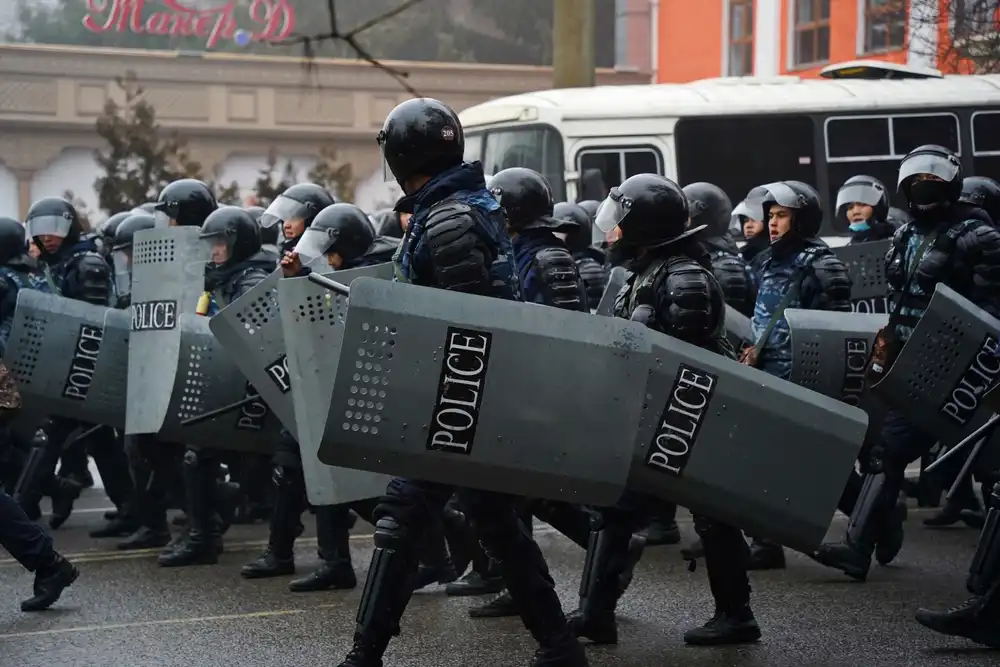
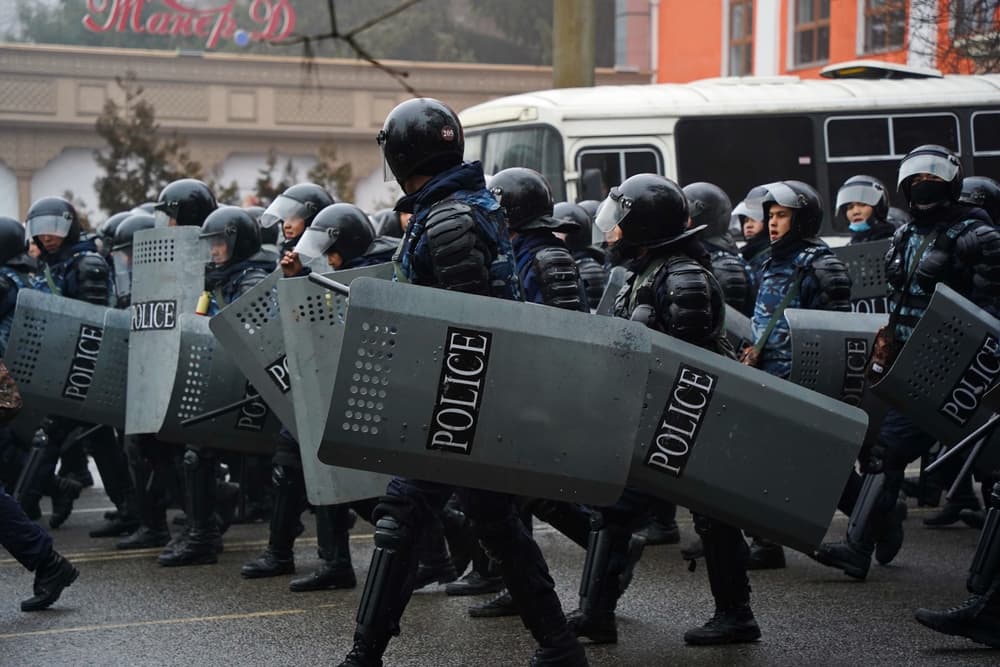
    As expected, the party of Emomali Rakhmon, who has been at the helm of the country since 1994, obtained an absolute majority and only parties controlled by the president entered parliament. Despite the regime's clearly repressive nature, there are no international sanctions against Tajikistan, confirming the feeling that the ruling caste in Dushanbe is untouchable.

  • Tajikistan risks getting lost along the new Silk Road

    The Tajiks consider themselves the main heirs of the trade routes of centuries ago, of the ‘first Eurasian globalisation’ in history. But today, according to the political scientist Abdugani Mamadazimov, they are forced to play catch-up with their neighbours while the whole world looks to Central Asia as a crucial area of connections between East and West.

  • The de-Russification of surnames in Central Asia

    From Kazakhstan to Tajikistan, procedures have been adopted throughout the region to change the spelling of surnames by eliminating the patronymic forms imposed during tsarist and Soviet domination, in order to recover Turkic or other ethnic roots. However, only a few personalities have taken this step, perceived by many as an unnecessary complication.

  • Dushanbe,Stalin's capital for all of Asia

    It was founded in 1931 to transform a desert area into a model metropolis by mobilizing the best architects, engineers and builders of the Soviet Union. And despite the country's backwardness even today this city continues to be enriched with new streets, squares and city parks.

  • The New Syria and Central Asia

    In the city of Idlib alone, there are around 400 Tajiks, as well as an unknown number of Kyrgyz, Uzbeks and Kazakhs. Beyond the ‘moderate’ cover of who will form the new government, there is widespread fear in the Central Asian capitals that,Damascus could become the new centre of attraction for all forms of radical Islamism.

  • Tajikistan's survival strategy

    At Cop29, President Rakhmon presented his plan for the country's complete transition to a green economy by 2037. A challenge for a reality where fields facing long periods of drought, reduced harvests even in dryland farming, and many livestock losses are putting a strain not only on workers in the agricultural sector, but on the entire population.

AsiaNews Weekly
News from Asia that matters

Subscribe to the newsletter to receive verified news, analysis and insights from Asian countries every week.

Subscribeto the newsletter
  • P.I.M.E. Centro Missionario
  • Agenzia Fides
  • P.I.M.E. Brasil
  • Radio Mondo
  • Mondo e Missione
  • P.I.M.E. U.S.A.
  • TV 2000






