North Asia

Featured article

From coal to copper: Mongolia’s new economic era

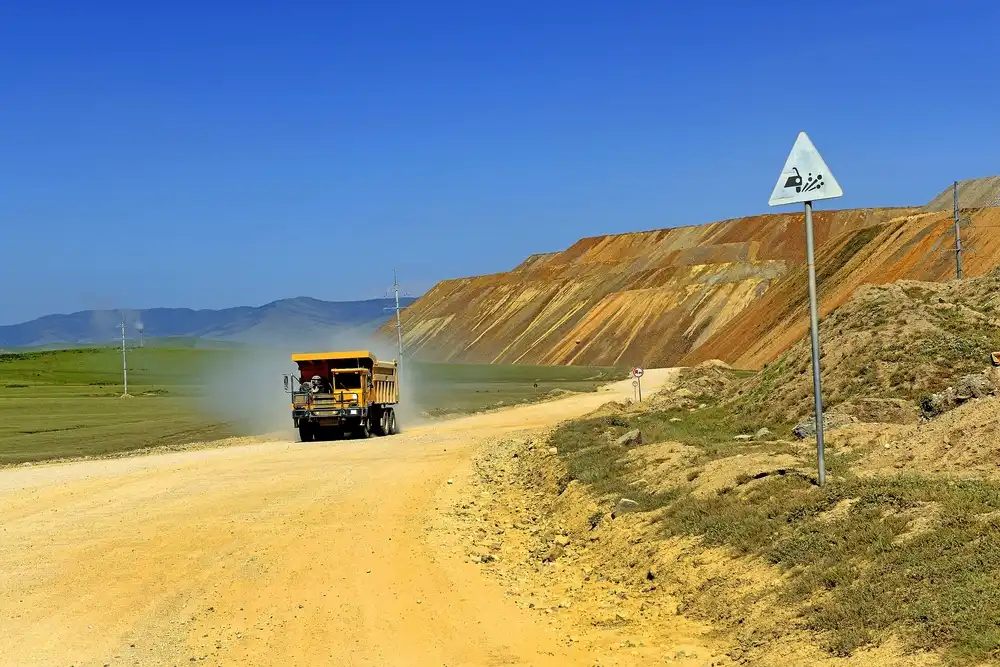
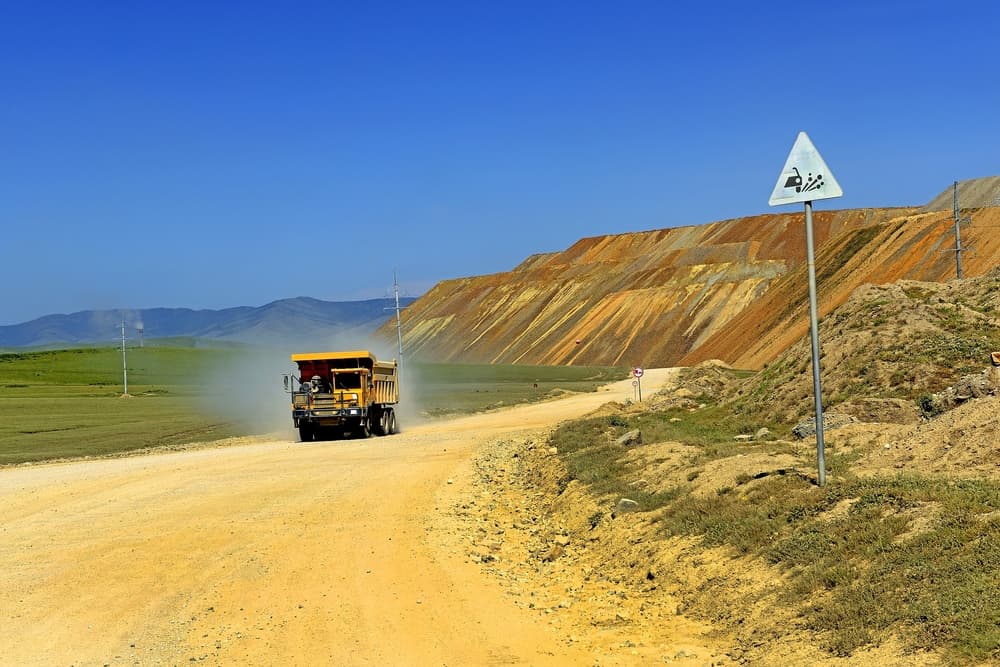
Last year in Ulaanbaatar, for the first time, revenue from copper concentrate exports exceeded that from coal exports. This turning point has been fuelled by the rush towards artificial intelligence and the rise in electric vehicle production. And the government is now searching for new deposits.

  • Do the Chinese really want Siberia?

    Clashes with Russia over northern territories is a constant in the history of the past centuries. But today there is no rush of Heilongjiang province residents to seek a home in Siberia at all. Rather, Beijing's advance is happening through the yuan, which is replacing the ruble in trade transactions. Natural resources the real issue at stake

  • The Holy Victors of Militant Russia

    Just as ancient Roman Empire had its protective geniuses of war, so in today’s dominant new patriarchal martyrology, the patron saints of Orthodox Russia have become associated with professional groups to imbue "traditional spiritual values" to all aspects of military and social life.

  • Hanoi signs agreement with Russia's Rosatom on nuclear energy

    The pact was signed by Russian Prime Minister Mishustin on a visit to the Vietnamese capital. Cooperation agreements also in the digital economy and wireless communications. The aim is to strengthen bilateral trade, which between the two countries amounted to just $3.6 billion in 2023. Moscow seeks new markets to circumvent Western sanctions.

  • The Russia of Soothsayers and Shamans

    According to research by the Modifiers agency, Russians are turning to both psychologists and representatives of the esoteric arts in their fight against stress in these war years. While traffic on astrology, fortune-telling and numerology sites has increased by 38% in the past year, the Moscow Duma is seeking to ban the advertising of fortune-tellers.

  • The dark 25 years of Tsar Putin

    A quarter of a century has now passed since Boris Yeltsin's ceding of power. No one then thought that the peaceful and flourishing Russia that celebrated Moscow's 850th anniversary in 1997 would disappear. Today, however, the New Year greetings ominously repeat ‘we will go on, until victory’ while everything seems to be dragging Russia further and further backwards.

  • Tikhon's doctorate on the ‘schism’ of Russia

    At Moscow's Mgu University, the Metropolitan of Crimea - believed to be the cleric closest to Putin - discussed his thesis linking the collapse of the tsars' empire not so much to economic factors but to a Western-inspired split in the elites. A reinterpretation that has at its core the ‘defence of Russia's values’ and declaredly aims to ‘avoid similar crises in the country's future’.

  • Is it possible to halt the Ukraine war?

    Trump is reported to have asked Russian President Putin to meet him as soon as possible, while there is increasing talk of an end to the conflict even if it is not clear on what basis. The analysis for Radio Svoboda by Vitalij Portnikov, one of the most important Ukrainian commentators: the important thing is that the West does not allow Moscow to ‘politically swallow’ Kiev anyway.

  • Russia between sovereignty and empire

    At the end-of-year press conference, Putin wanted to show the face of a winner, not only because of the additional bits of territory conquered in the Donbass, but also to convey the sense of Russia's superiority against the many uncertainties of the West. The war itself has "sovereignty" as its main purpose, not so much to defend the country’s borders as to assert its independence and greatness in front of the whole world.

  • Russia and Syria, together forever

    The Patriarchate of Antioch is the only one of the fifteen autocephalous Orthodox Churches, and the only one of the five ancient patriarchates, that has always and in every situation supported the Russian Church. Moreover, it was precisely the Antiochians who inspired the establishment of the Moscow Patriarchate. And these ancient stories of the late Middle Ages find their relevance today in the face of the Russians' fear of losing their controlling role in the Middle East, after the victory of the Islamists in Damascus.

  • Russian mix of Putin's ‘overheated’ economy

    Even mayonnaise at the holidays this year will be 13.5 per cent more expensive, while the real savings of citizens are shrinking despite growth figures inflated by warlike industrial production. China takes note of the liberation of large market spaces and tries to occupy them while avoiding risks as much as possible.

  • The Russian post-Assad rebus in Syria

    Moscow granted asylum to the leader of the Damascus regime that collapsed in a few days under the offensive of Islamic militias from the north. In Soviet times, Syria was considered the ‘sixteenth republic’ of the Union, but Moscow's relationship with Damascus is much older, also due to ties with the patriarchate of Antioch. The node of the military bases in Tartus and Latakia, over which they will try to negotiate with the country's new leadership.

  • The challenges of the Russian world according to Kirill

    The patriarch has tried to distance himself recently from the country’s political leaders, stressing his superiority in the relationship between Russia’s political and clerical power. At least two issues underscore a gap between Church and State, namely the response to the demographic crisis with monks criticised for being celibate, and the ban on organised prayers in private homes.

AsiaNews Weekly
News from Asia that matters

Subscribe to the newsletter to receive verified news, analysis and insights from Asian countries every week.

Subscribeto the newsletter
  • P.I.M.E. Centro Missionario
  • Agenzia Fides
  • P.I.M.E. Brasil
  • Radio Mondo
  • Mondo e Missione
  • P.I.M.E. U.S.A.
  • TV 2000





