Russia

Featured article

Conflicts and solidarity in post-Soviet North Caucasus

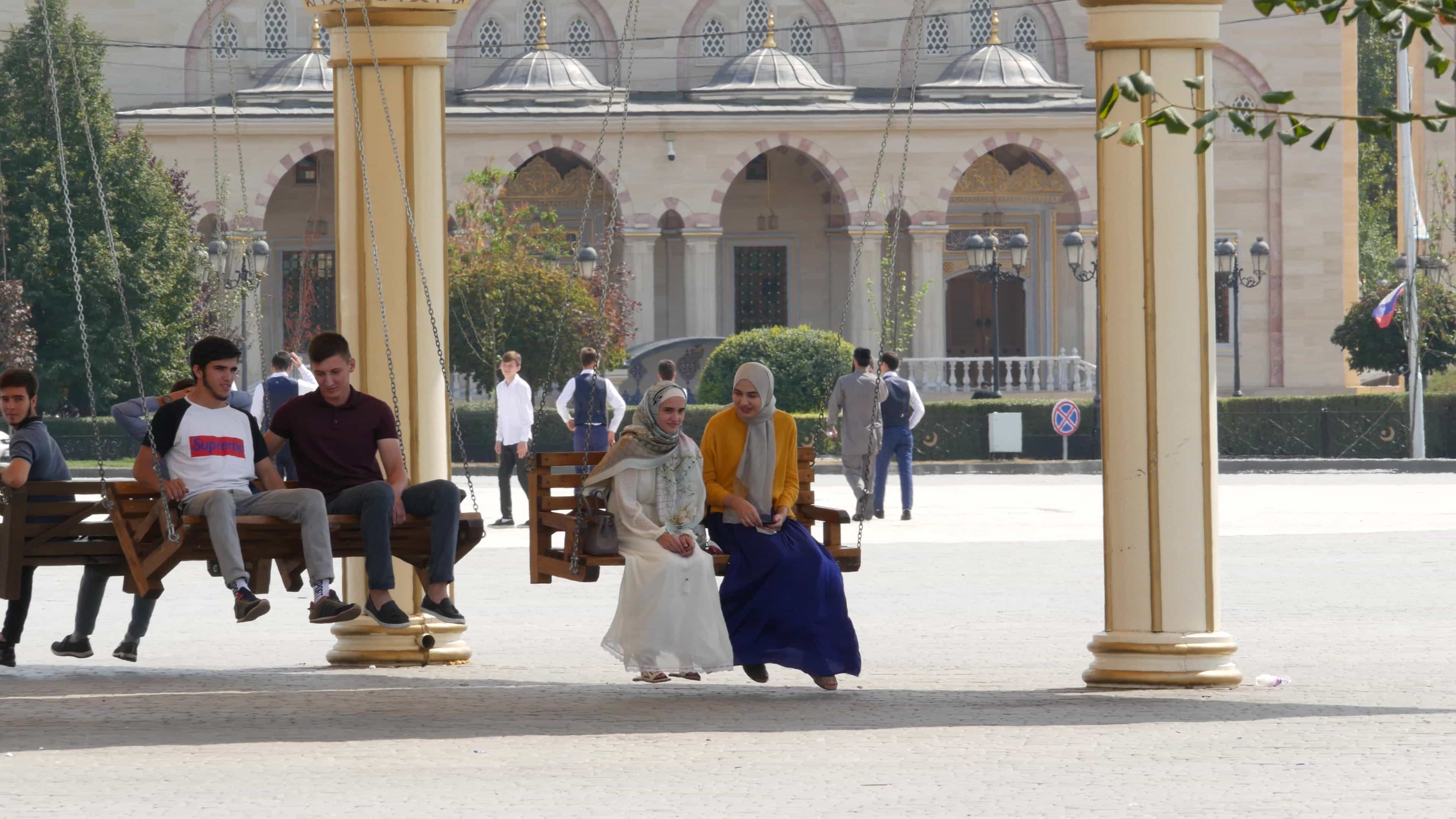
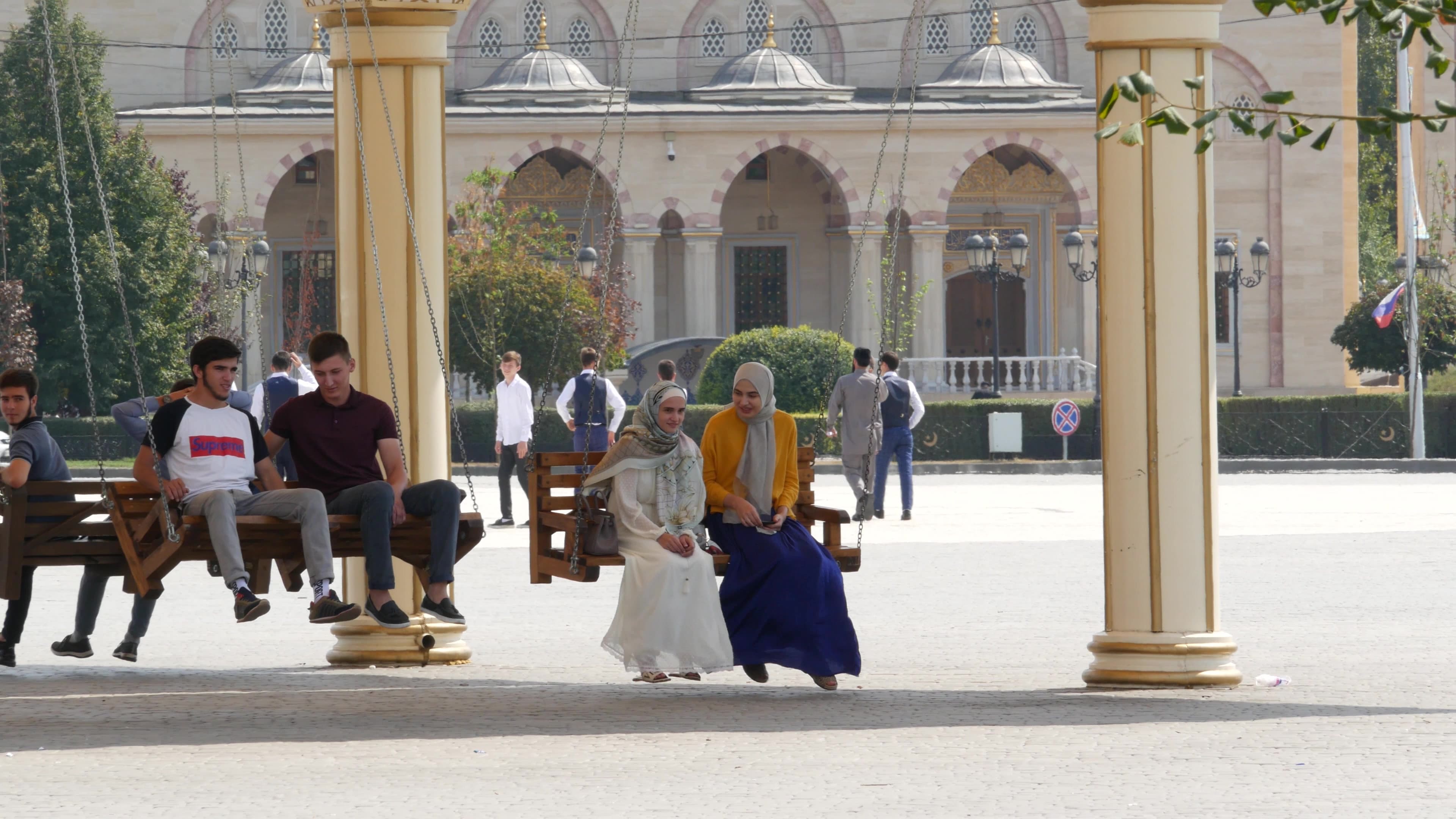
Despite much wrangling over borders or cultural heritage in the face of tragedy, the people of Chechnya, Dagestan, Ingushetia and North Ossetia are coming together to search for the missing or raise funds for the victims of natural disasters. Because their shared history prevails over old grudges.


  • Russian doctors and ‘forced labour’

    The training reform approved by the Duma requires medical graduates to complete three years of service to repay the funds spent by the state on their studies. Behind this measure lie increasing budgetary difficulties, but also the intention to create increasingly submissive social and professional classes in a context where protests are now impossible.

  • A fragile peace, war and Russia’s sleepwalkers

    Unlike the Gaza deal, the summer drama surrounding the meeting between Putin and Trump in Alaska did not lead to a letup in military operations, but rather pushed both sides towards further escalation, in deeds and words. As in 1914, the "illusion of fate" is dangerously rising again, obliterating all possibilities for choice and diplomatic solutions.

  • The knock-on effects of Putin's speech in Sochi

    Faced with the president's increasingly radical stance in his confrontation with Europe, the communists hope to regain a central role in Russian politics, breaking free from the absolute dominance of Putin's United Russia party and competing with the liberal-nationalists of the LDPR party, the ‘right-wing populists’ of national politics.

  • Russia's universal call to arms

    By 31 December, another 135,000 young Russians will be called up for military service under increasingly stringent conditions to prevent loopholes. The aim is not primarily to expand the army, but to redefine the very fabric of society, making the entire population feel at the front, even if it is mainly Caucasians and Asians who are sent to be slaughtered.

  • The two speeds of the Russian war economy

    The military supply sector is growing and thriving with a continuous flow of resources, raw materials, finance and technology. Small and medium-sized enterprises and the consumer sector are having to contend with restrictions due to sanctions, tax increases and limited access to capital. Moscow's economy has already taken root in a model that will not be easy to change in the future.

  • The International Buddhist Forum in Russia

    Kalmykia, the only region with a Buddhist majority in the European part of Russia, welcomed delegations from 35 countries around the world. Putin himself sent a message praising its ‘precious spiritual traditions’. Lama Kirishov praised the ‘spirit of sacrifice’ of Buddhist soldiers participating in the special military operation in Ukraine.

  • Russian drones over Europe: from war to ancestral fear

    Moldova, which is seemingly the closest target for Moscow's "hybrid war”, is headed to parliamentary elections tomorrow. Meanwhile, unidentified aircraft circling in the skies of Europe are like menacing totems, evoking the Siberian-rooted shamanism that, in today’s Russia, is one of the most radical expressions of its “defence of traditional values” against Western depravity.

  • Siberian Power fails to gain momentum

    Despite announcements, Beijing continues to delay the construction of the gas pipeline that would represent a lifeline for Gazprom. Political and financial considerations are complicating the agreement on the terms of the contract to be concluded. Meanwhile, China is also looking to other suppliers to meet its needs, which are set to grow after 2030.

  • The anti-Eurovision of Soviet-style singers

    The Live Arena in Moscow hosted the latest edition of “Intervidenie”, the singing competition that brought together the countries of the Eastern Bloc during the Soviet era. Revived after Russian singers were excluded from the Western event due to the invasion of Ukraine, it brought together artists from 22 ‘friendly’ nations, with Dyk Fuk, a rapper from Hanoi, ultimately winning.

  • The origins of religion in Russia

    There is an essential and original link between the Orthodox faith and power, as already shown in the 11th century by Metropolitan Hilarion's “Discourse on Law and Grace”, the “manifesto” of the Russian faith. Apart from Philip II of Moscow, who rebelled against the massacres of the first Tsar Ivan IV the Terrible at the end of the 16th century and was suffocated in his monastic cell as a result, there are no known cases of other ecclesiastical opponents of the monarchs' holy wars.

  • The end of Russia's energy empire

    The latest data from the International Energy Agency confirm the sharp decline in Moscow's revenues from gas and oil sales, due to the effect of heavy discounts imposed by China and India. According to economist Michael Bernstam, ‘the market is proving more effective than sanctions’.

AsiaNews Weekly
News from Asia that matters

Subscribe to the newsletter to receive verified news, analysis and insights from Asian countries every week.

Subscribeto the newsletter
  • P.I.M.E. Centro Missionario
  • Agenzia Fides
  • P.I.M.E. Brasil
  • Radio Mondo
  • Mondo e Missione
  • P.I.M.E. U.S.A.
  • TV 2000





