Russia

Featured article

Conflicts and solidarity in post-Soviet North Caucasus

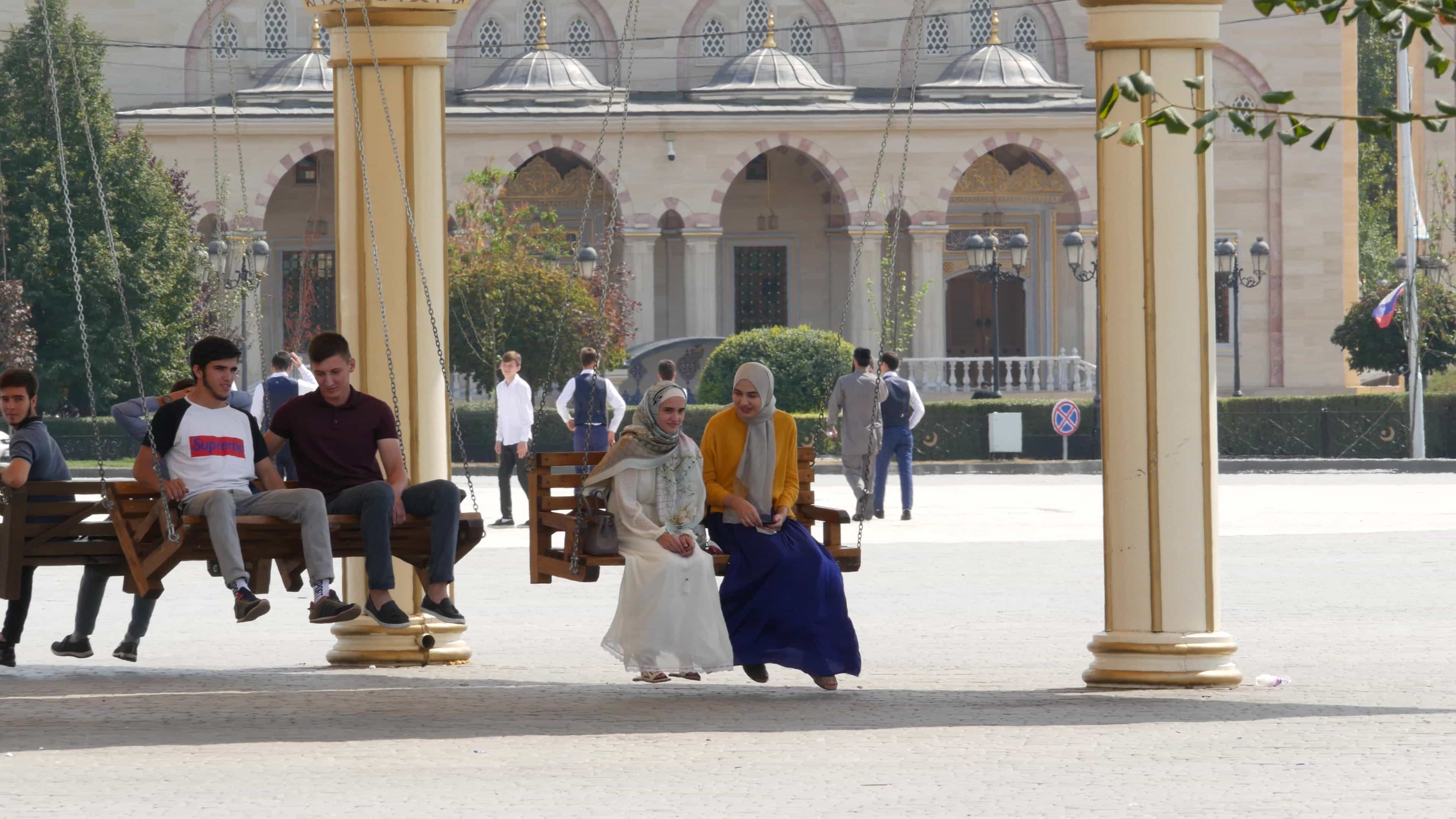
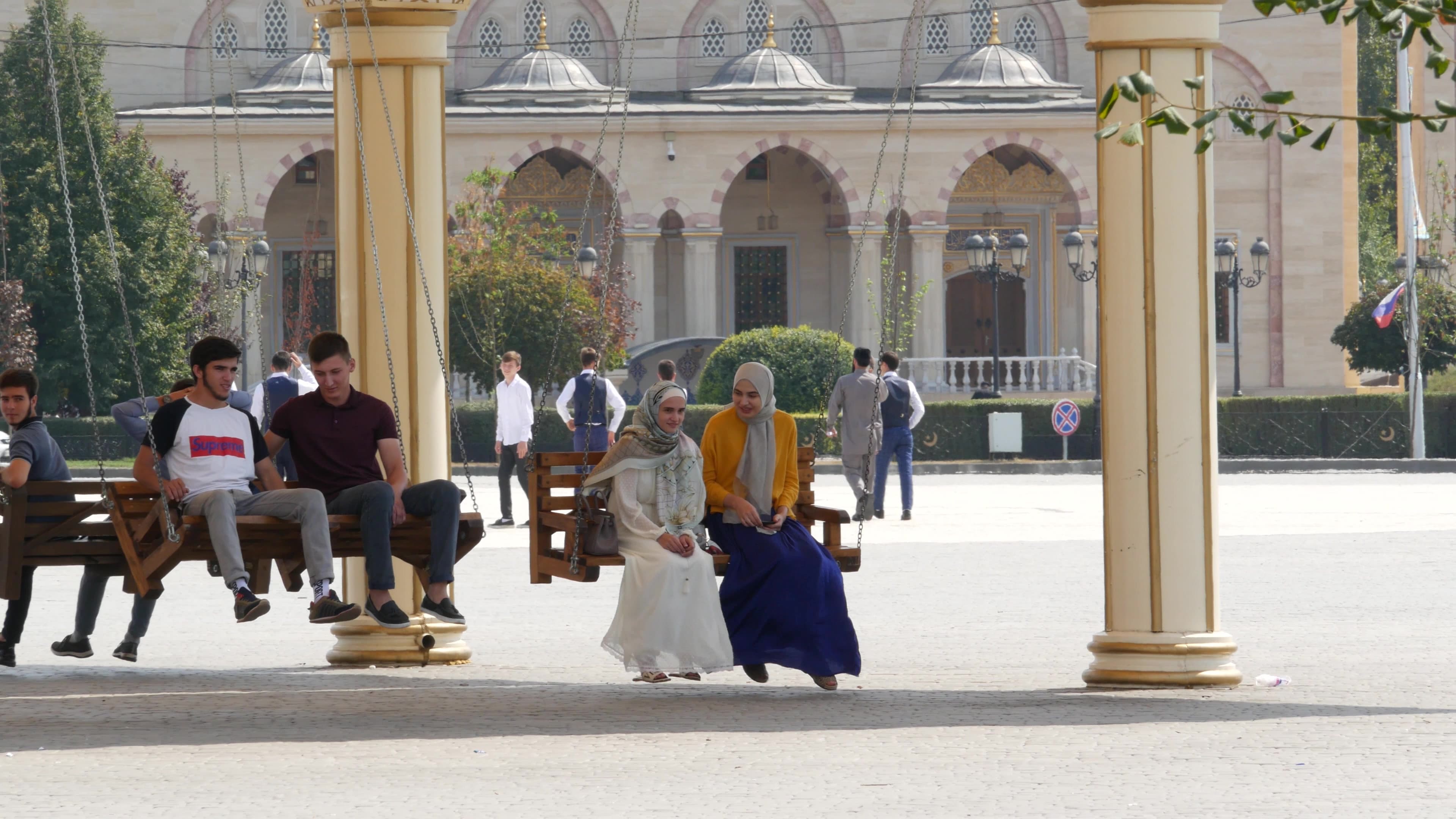
Despite much wrangling over borders or cultural heritage in the face of tragedy, the people of Chechnya, Dagestan, Ingushetia and North Ossetia are coming together to search for the missing or raise funds for the victims of natural disasters. Because their shared history prevails over old grudges.

  • Moscow Patriarchate's battle against neo-paganism

    Faced with the resurgence of the so-called rodnovery, or “native believers”, Kirill formed a special commission led by Russian-French Archbishop Savva, the rising star of his team, to counter this new challenge. But according to Professor Šiženskij, one of Russia's leading religious scholars, the only real answer is missionary work that goes beyond ideological assessments.

  • The utopia of uniting "minor peoples" with the Russian "father"

    In a divided and conflict-ridden world, universal unity is Moscow's new religion. It relies on destabilisation, propaganda, and the financing of "friendly" elites and oligarchs loyal to Moscow, along with the Churches as tools of power. After Ukraine, Kazakhstan is the country most at risk, with the longest land border and the largest Russian diaspora. The US, the EU, and international partners will have to strengthen economic and diplomatic relations with the territories targeted by Moscow.

  • The Oil Crisis Between Moscow and Astana

    ​U.S. sanctions against the oil giant Lukoil are expected to have repercussions in Central Asia as well. The Russian company has announced plans to sell its foreign assets — a major issue for a country like Kazakhstan, which exports 80% of its oil through Russian infrastructure but cannot afford to lose access to Western banking systems.

  • Desertification causes crop failure in southern Russia

    The effects of climate change are leading to a drastic decline in cereal production this year, a crucial sector for the Russian economy. In the Rostov region, 17.5% of the territory has now become desertified. But in the crackdown on any voice of dissent, even environmentalists fighting to protect wooded areas are being targeted.

  • Russia's War and Punishment in Ukraine

    In his new book, writer Mikhail Zygar retraces the last thirty years of the Soviet Union through a gallery of characters, helping us to understand Moscow's present based on the idea that no dictatorship is eternal and that the future always offers a chance for change.

  • When North Korean workers raise their heads

    Informal employment is exploding in North Korea because of a drop in orders from China and lower wages. Tensions are also rising among the workers Kim supplies to China, fuelled by ever-increasing deductions from their wages to ensure revenue for the North Korean regime. Meanwhile, Russia has become North Korea’s new El Dorado, at a cost of extensive linguistic and cultural isolation for workers.

  • Russia's unstoppable demographic decline

    Despite Rosstat's classified data, several observers claim that Russia's population has now fallen below 140 million, with deaths consistently outnumbering births. The regions with traditionally higher growth rates are those with the highest number of casualties on the Ukrainian front.

  • Bashkortostan's lost sovereignty

    Following the collapse of the Soviet Union 35 years ago, the region - close to the Urals - proclaimed its autonomy, later cancelled by Vladimir Putin's “vertical of power”. In today's Urfa, home to thousands of soldiers now on the Ukrainian front, very little remains of those dreams and the word ‘sovereignty’ has been banned from public discourse.

  • The ‘illusion of victory’ in Russia's long war campaign in Ukraine

    The 2025 military campaign, the most violent and systematic, is nearing its conclusion before the winter freeze. For one expert, “the strategic context of the war is [. . .] shifting," while Russia’s economy slides towards stagnation. Trump is tempted to conclude a "mutual deal" with Putin. Neither Russia nor Ukraine are truly capable of changing the course and nature of the war.

  • The crackdown on street artists in St. Petersburg

    Young singer Diana Loginova, known by the pseudonym Naoko, and two other members of a rock band were arrested for attracting large crowds of spectators and onlookers to listen to their songs, despite being recognised as “foreign agents”. They performed songs by the great singer-songwriter Bulat Okudžava, who died in the late 1990s and sang against the ‘cowardly war’.

  • Russian dissidents in Europe: (Difficult) attempts at unity

    The creation of a platform at the Council of Europe for dialogue with the democratic forces in Russia that oppose Vladimir Putin's regime is hampered by internal divisions between the various groups, including criticism of the Anti-Corruption Fund created by Alexei Navalny. Vladimir Kara-Murza's appeal: ‘Every political prisoner must be able to count on not being forgotten’.

  • Pope urges Russian pilgrims to be an example of love, fraternity, solidarity, and respect

    This morning Leo XIV received at the Apostolic Palace a group of Russian Catholics in Rome for their Jubilee pilgrimage. He invited them to light “the fire of Christian love" and warm the “most hardened hearts” in a world brutalised by war. With charity and hope, a "new world" can be built from the “ruins”. The icon of the Salus Populi Romani is "the sign of the Holy Year”.

AsiaNews Weekly
News from Asia that matters

Subscribe to the newsletter to receive verified news, analysis and insights from Asian countries every week.

Subscribeto the newsletter
  • P.I.M.E. Centro Missionario
  • Agenzia Fides
  • P.I.M.E. Brasil
  • Radio Mondo
  • Mondo e Missione
  • P.I.M.E. U.S.A.
  • TV 2000





