Russia

Featured article

The forced repatriation of Russian fugitives

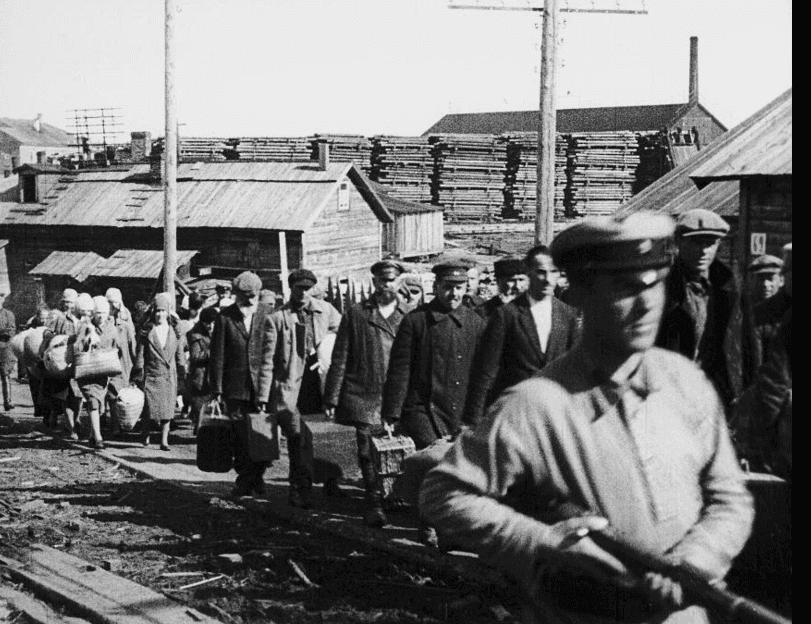
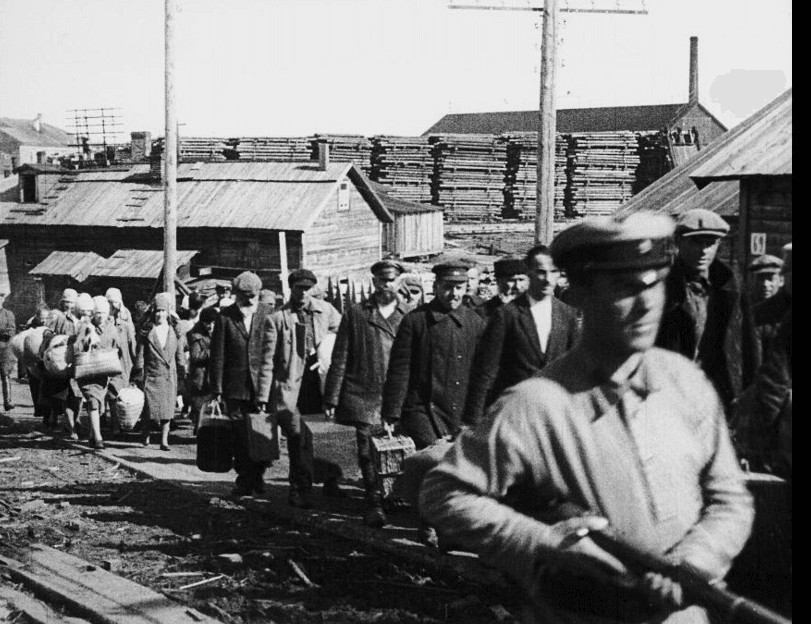
The repatriation of a Russian surveyor who had swum to safety after opposing the war has caused a stir in Riga. It serves as a reminder that, in the post-Soviet space, simply fleeing is not enough: one must contend with a web of mistrust, mutual contempt and control that outweighs any shared ideas.

  • Russia's unstoppable demographic decline

    Despite Rosstat's classified data, several observers claim that Russia's population has now fallen below 140 million, with deaths consistently outnumbering births. The regions with traditionally higher growth rates are those with the highest number of casualties on the Ukrainian front.

  • Bashkortostan's lost sovereignty

    Following the collapse of the Soviet Union 35 years ago, the region - close to the Urals - proclaimed its autonomy, later cancelled by Vladimir Putin's “vertical of power”. In today's Urfa, home to thousands of soldiers now on the Ukrainian front, very little remains of those dreams and the word ‘sovereignty’ has been banned from public discourse.

  • The ‘illusion of victory’ in Russia's long war campaign in Ukraine

    The 2025 military campaign, the most violent and systematic, is nearing its conclusion before the winter freeze. For one expert, “the strategic context of the war is [. . .] shifting," while Russia’s economy slides towards stagnation. Trump is tempted to conclude a "mutual deal" with Putin. Neither Russia nor Ukraine are truly capable of changing the course and nature of the war.

  • The crackdown on street artists in St. Petersburg

    Young singer Diana Loginova, known by the pseudonym Naoko, and two other members of a rock band were arrested for attracting large crowds of spectators and onlookers to listen to their songs, despite being recognised as “foreign agents”. They performed songs by the great singer-songwriter Bulat Okudžava, who died in the late 1990s and sang against the ‘cowardly war’.

  • Russian dissidents in Europe: (Difficult) attempts at unity

    The creation of a platform at the Council of Europe for dialogue with the democratic forces in Russia that oppose Vladimir Putin's regime is hampered by internal divisions between the various groups, including criticism of the Anti-Corruption Fund created by Alexei Navalny. Vladimir Kara-Murza's appeal: ‘Every political prisoner must be able to count on not being forgotten’.

  • Pope urges Russian pilgrims to be an example of love, fraternity, solidarity, and respect

    This morning Leo XIV received at the Apostolic Palace a group of Russian Catholics in Rome for their Jubilee pilgrimage. He invited them to light “the fire of Christian love" and warm the “most hardened hearts” in a world brutalised by war. With charity and hope, a "new world" can be built from the “ruins”. The icon of the Salus Populi Romani is "the sign of the Holy Year”.

  • Russian doctors and ‘forced labour’

    The training reform approved by the Duma requires medical graduates to complete three years of service to repay the funds spent by the state on their studies. Behind this measure lie increasing budgetary difficulties, but also the intention to create increasingly submissive social and professional classes in a context where protests are now impossible.

  • A fragile peace, war and Russia’s sleepwalkers

    Unlike the Gaza deal, the summer drama surrounding the meeting between Putin and Trump in Alaska did not lead to a letup in military operations, but rather pushed both sides towards further escalation, in deeds and words. As in 1914, the "illusion of fate" is dangerously rising again, obliterating all possibilities for choice and diplomatic solutions.

  • The knock-on effects of Putin's speech in Sochi

    Faced with the president's increasingly radical stance in his confrontation with Europe, the communists hope to regain a central role in Russian politics, breaking free from the absolute dominance of Putin's United Russia party and competing with the liberal-nationalists of the LDPR party, the ‘right-wing populists’ of national politics.

  • Russia's universal call to arms

    By 31 December, another 135,000 young Russians will be called up for military service under increasingly stringent conditions to prevent loopholes. The aim is not primarily to expand the army, but to redefine the very fabric of society, making the entire population feel at the front, even if it is mainly Caucasians and Asians who are sent to be slaughtered.

  • The two speeds of the Russian war economy

    The military supply sector is growing and thriving with a continuous flow of resources, raw materials, finance and technology. Small and medium-sized enterprises and the consumer sector are having to contend with restrictions due to sanctions, tax increases and limited access to capital. Moscow's economy has already taken root in a model that will not be easy to change in the future.

AsiaNews Weekly
News from Asia that matters

Subscribe to the newsletter to receive verified news, analysis and insights from Asian countries every week.

Subscribeto the newsletter
  • P.I.M.E. Centro Missionario
  • Agenzia Fides
  • P.I.M.E. Brasil
  • Radio Mondo
  • Mondo e Missione
  • P.I.M.E. U.S.A.
  • TV 2000





