Russia

Featured article

Conflicts and solidarity in post-Soviet North Caucasus

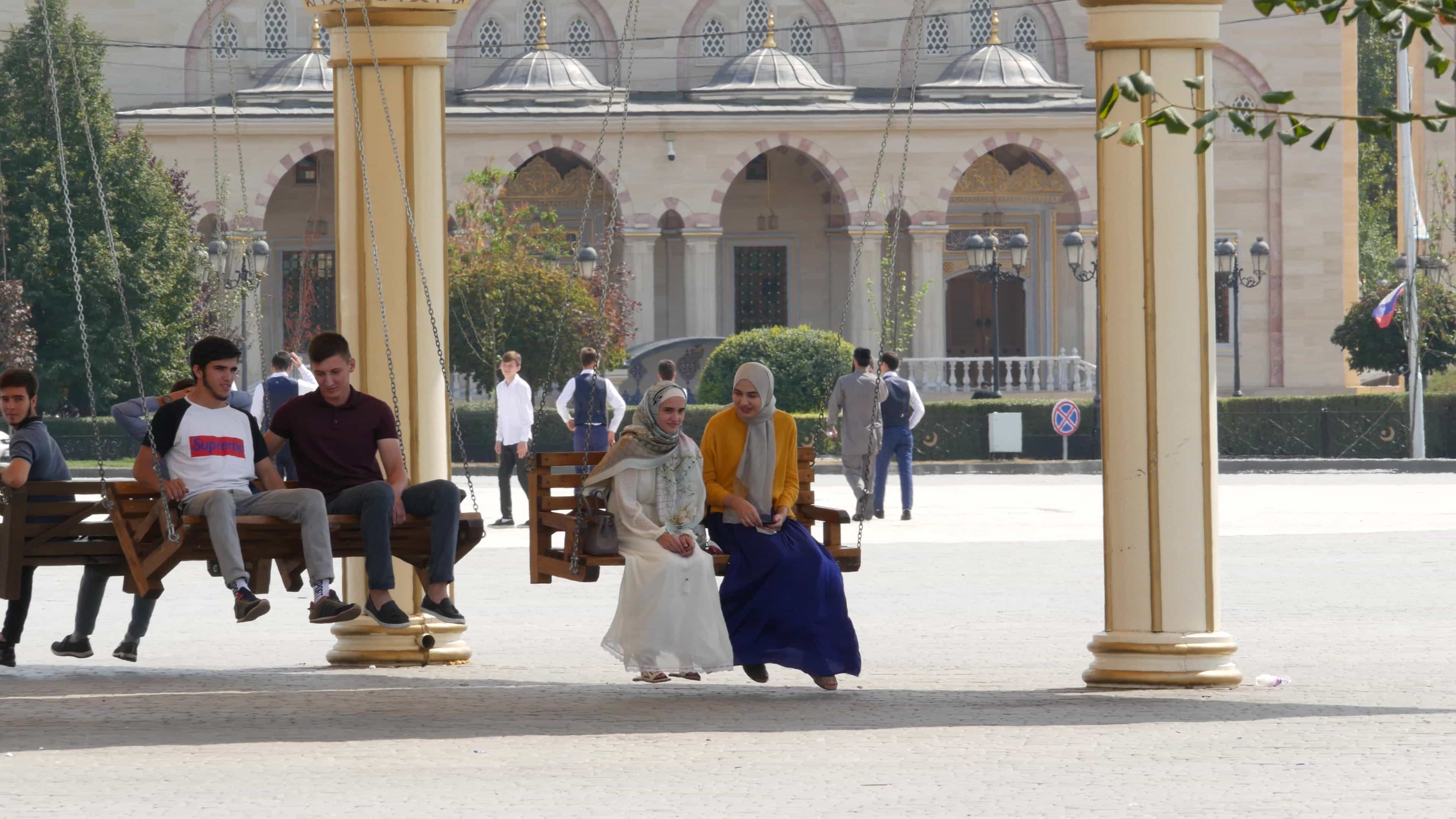
Despite much wrangling over borders or cultural heritage in the face of tragedy, the people of Chechnya, Dagestan, Ingushetia and North Ossetia are coming together to search for the missing or raise funds for the victims of natural disasters. Because their shared history prevails over old grudges.

  • The union of peoples and religions in Russia

    Looking back at Russia's past and present history and reality, Patriarch Kirill condemns those who ‘call for the purity of Islam or Orthodoxy,’ because ‘we may have different cultures and traditions, but we are one people.’ Meanwhile, in the Moscow neighbourhood of Kommunalka, a multi-religious centre is being presented where an Orthodox church, a synagogue, a mosque and a Buddhist temple are to be built in a shared space.

  • Five years of Putin's constitution

    By abolishing the liberal principles of democracy and equality of all citizens before the law that the first president Boris Yeltsin had intended to proclaim, Vladimir Putin had already sanctioned in 2020 the transformation of institutions into instruments of the ‘vertical of power’ not to be shared with local administrations or other social bodies.

  • Arrests and accusations of attempted coup: open conflict between the government and the Armenian Church

    Two archbishops (including Galstanyan) are in prison after a police raid on the patriarchate in Echmiadzin. Pashinyan directly accuses Catholicos Karekin II and calls for his removal, while the Armenian clergy responds by invoking the excommunication of the prime minister. According to the government, Moscow is behind the Church's ‘manoeuvres’, but other voices denounce the use of branding all opposition with ‘the stamp of Kremlin spies’. In the background are geopolitical balances and negotiations with Azerbaijan.

  • Smuggling Siberian gold

    Gold smuggling is on the rise along the border with China as a means of earning money in one of the poorest areas of the Russian Federation. No licences are required in the People's Republic: any citizen can sell the extracted material to banks in any form, receiving more than double the price quoted in Moscow.

  • Astana's ‘nuclear diplomacy’

    Kazakhstan will sign an agreement with Moscow by the end of the year for the construction of its first nuclear power plant, but it already has plans for a second one to be built together with the Chiona National Nuclear Corporation, which could be completed more quickly. And Tokaert is also leaving the door open to Western consortia for a third plant.

  • The passing of Archbishop Pitirim, champion of “popular Orthodoxy”

    One of the most popular figures in the Orthodox Church, he died at the age of 65. A writer and poet, he was among those who championed Putin and the war in Ukraine, but was disliked by Patriarch Kirill. Pitirim became bishop of the capital of Komi in 1995, at the age of 34. His style was very popular for its informal communication, especially with young people. His odes were examples of Russia's “obedience to destiny”.

  • Racist accusations over epidemics in Russia

    The Moscow Academy of Sciences points the finger at migrants and specific groups such as gypsies and Orthodox Jews for the increase in the spread of infectious diseases such as measles. Low vaccination coverage is also felt in Russia. Epidemiologist Poznjakov: ‘It should rise to at least 95% to avoid epidemic peaks.’

  • New street names in Petropavlovsk

    Throughout Kazakhstan, work has begun on renaming streets, considered essential for “the revival of folk traditions and the strengthening of social unity”. The northern city is a prime example of this, as its name already expresses its close historical ties with the tsars. Here, the names of 28 streets in the Birlik district have been changed with the aim of harmonising the Russian and Kazakh spirits.

  • Showcase for “outstanding children” at St Petersburg Forum

    The St Petersburg International Economic Forum, personally conceived by Vladimir Putin, was the usual arena for proclaiming the “bright future” of the Russian economy. Alongside Kremlin bureaucrats, this year's event was notable for the presence of Putin's daughters and other relatives, as well as other high-ranking officials. Rather than heirs to top positions, they appeared to be influencers for the younger audience.

  • The Russian nuns of Lesna, free from Moscow

    First established in Poland in 1885, the “new convent” eventually found a home in Normandy in 1950 after a long wandering. Its history and profile attract many Russians abroad, who intend to preserve their tradition without involvement in the war-patriotic initiatives of Patriarch Kirill and other Russian Orthodox hierarchs.

AsiaNews Weekly
News from Asia that matters

Subscribe to the newsletter to receive verified news, analysis and insights from Asian countries every week.

Subscribeto the newsletter
  • P.I.M.E. Centro Missionario
  • Agenzia Fides
  • P.I.M.E. Brasil
  • Radio Mondo
  • Mondo e Missione
  • P.I.M.E. U.S.A.
  • TV 2000





