Russia

Featured article

Conflicts and solidarity in post-Soviet North Caucasus

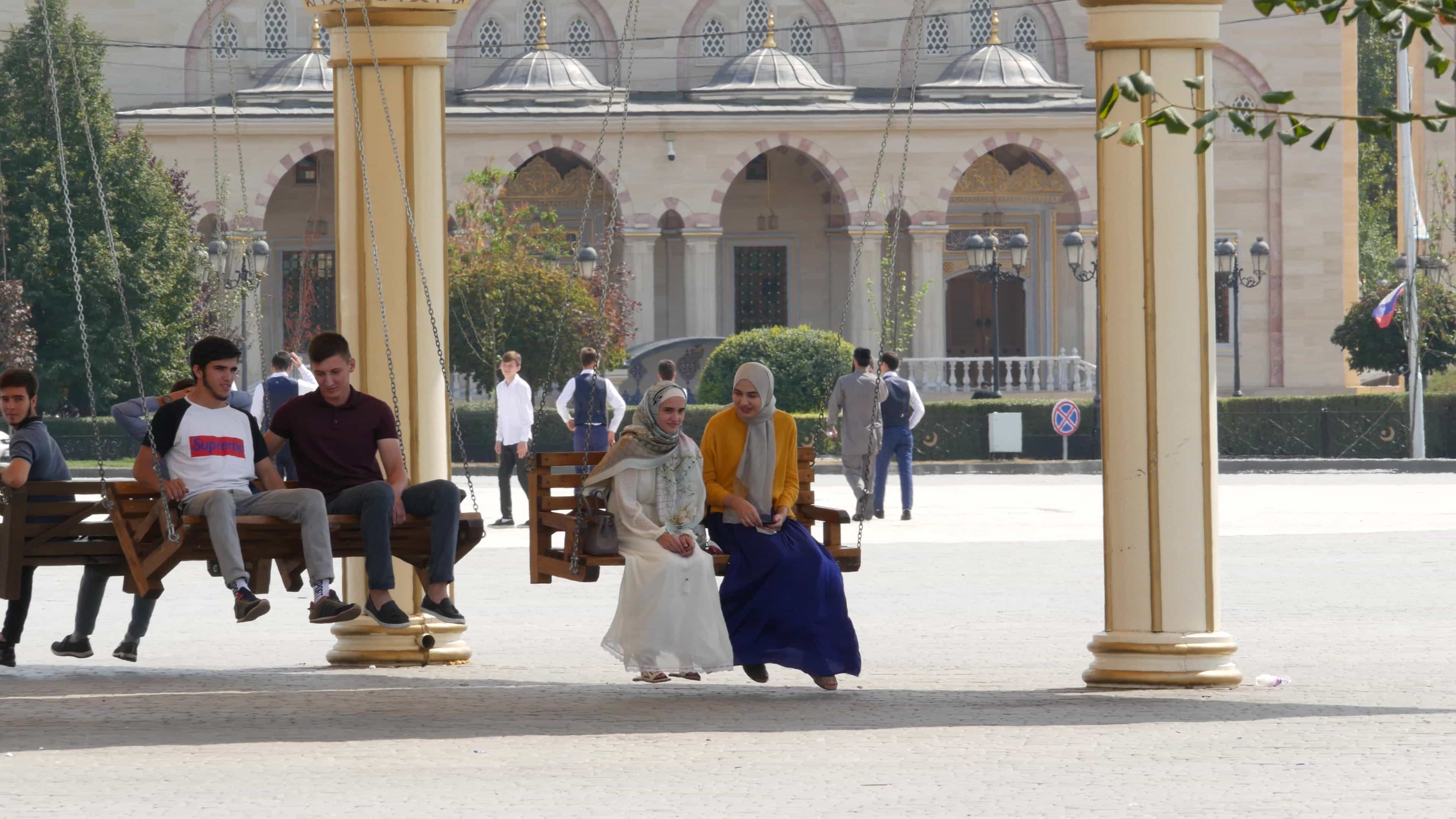
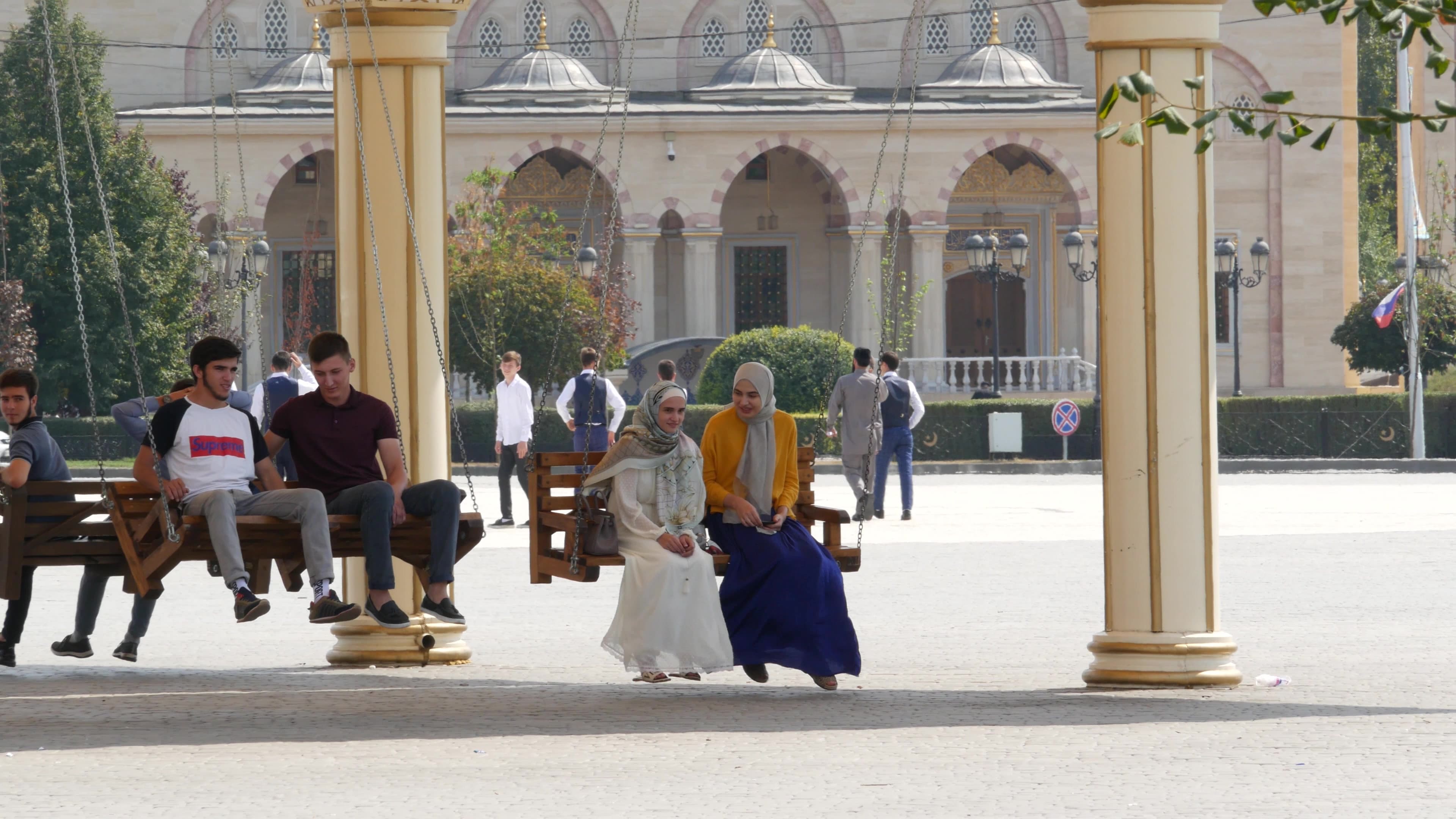
Despite much wrangling over borders or cultural heritage in the face of tragedy, the people of Chechnya, Dagestan, Ingushetia and North Ossetia are coming together to search for the missing or raise funds for the victims of natural disasters. Because their shared history prevails over old grudges.

  • Moscow and NATO on the Baltic

    The Estonian authorities have repeatedly stated that ‘Russia remains the greatest threat to our security’ and have announced their intention to open a new military base in Narva, the city divided in half by the river of the same name, one of the most sensitive points. But among the European population there is a growing conviction that ‘NATO defence on the border with Russia is inappropriate’, a view also supported by Donald Trump's administration.

  • The birth of the Church and the Russian Federation

    Pentecost and ‘Russia Day’ fell just a few days apart. ‘Where are you, my Church?’ asked Father Andrej Misjuk bitterly, calling for a return to a faith that ‘does not tolerate lies, does not bless those who cannot be blessed, and once again sets out on the path that leads from Jerusalem to the Eternal.’ Meanwhile, in his new ‘Fable,’ Vladimir Sorokin recounts a post-apocalyptic world.

  • Kyrgyz migrants become drug mules to Russia

    In Bishkek, notices are circulating promising earnings of up to $1,000 a week, twice the average monthly salary of a Kyrgyz worker, for “jobs” that are actually recruitment for drug couriers. Drug trafficking charges in Russia can carry a sentence of 20 years to life imprisonment. Many prisoners are sent directly to the front lines in Ukraine.

  • Teacher crisis in Russian schools

    Only 42% of graduates from teacher training colleges go on to work in schools, and many teachers are leaving the profession. Disparities in pay between Moscow and the country's suburbs are a major factor, as is the increasingly ideological approach of the entire education system.

  • Religious tourism in Russia

    Following the break with the West, a large percentage of Russian travellers have turned to domestic tourism, where religious destinations and related artistic attractions are becoming increasingly important. In this context, local operators are reviving walking pilgrimage routes, starting with the 70-kilometre route linking Moscow to the Trinity Lavra of St. Sergius.

  • Russia, the Nicene Faith and the need for peace dialogue

    Moscow recently marked the 1,700th anniversary of the first Ecumenical Council when the profession of faith was drafted. Coincidentally, Putin and Pope Leo XIV spoke on the phone, providing an opportunity to renew the dialogue between the Church of Rome and the Russian Orthodox Church. Like in the 4th century AD, after the end of the persecutions, the challenge today for the bishops of the East and West is to show modern emperors a truth greater than any claim to dominion.

  • The Russification of Culture in Crimea

    A traditionally multicultural land, the peninsula seized by Moscow from Kiev in 2014 is now seeing everything that is not Russian systematically targeted. Although even the Moscow-linked authorities recognise three ‘state languages’ on paper - Russian, Ukrainian and Crimean Tatar - education in native languages has almost completely disappeared from schools.

  • The Russian catechism of Metropolitan Tikhon

    From the 2026/2027 school year, the ‘Fundamentals of Russia's moral and spiritual culture’ will be introduced as a new subject in Russian schools. The drafting of the textbook has been entrusted to the Metropolitan of Crimea, known as Putin's ‘spiritual father’.

  • Chechen mosques in Europe

    According to various estimates, at least 200,000 Chechens now live in European countries, and from Belgium to Norway, passing through France, Austria and Germany, the mosques of this diaspora fuelled by war are not only places of worship but also important centres where the language and traditions of this people are handed down.

  • Putin and Kirill's ideologue now attacks even Averintsev

    In a new essay, Aleksandr Šipkov goes so far as to point the finger at the philologist who, in the 1990s, helped Russia rediscover both Eastern and Western Christian traditions through his lectures. Why does today's Russia reject any convergence with the Christian culture of Eastern and Western Europe, presenting itself as the only true Church entrusted with a universal mission?

  • Saint Nicholas and Springtime in Russia

    "The work of God knows how to transform even the most senseless human actions into something good," said Patriarch Kirill in recent days, during the celebration of the feast of Saint Nicholas, who traditionally in May is associated with the promise of a good harvest for the agricultural season. And never more than today is such a blessing needed, as people hope for a new season of peace for the fields and lands ravaged by war.

AsiaNews Weekly
News from Asia that matters

Subscribe to the newsletter to receive verified news, analysis and insights from Asian countries every week.

Subscribeto the newsletter
  • P.I.M.E. Centro Missionario
  • Agenzia Fides
  • P.I.M.E. Brasil
  • Radio Mondo
  • Mondo e Missione
  • P.I.M.E. U.S.A.
  • TV 2000





