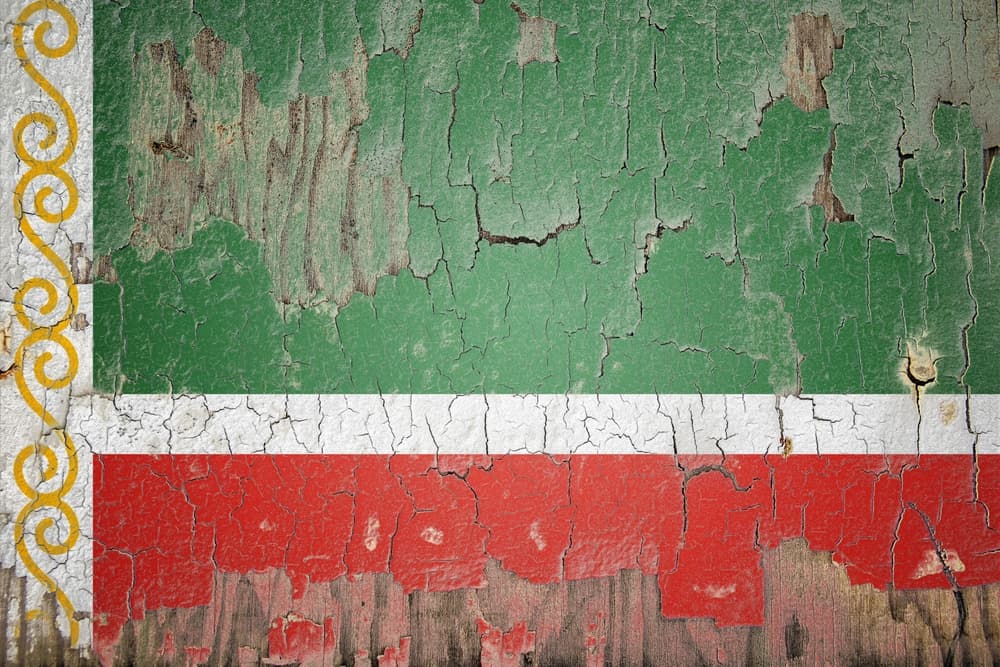
Moscow (AsiaNews) – Tensions are rising between the Chechen diaspora abroad and those who have remained in the republic. Those who have left speak of human rights violations, pressure and the Russification of Chechnya. Back home, the emigrants are accused of having cut themselves off from their roots and of living according to “foreign rules”. Against this backdrop, the harsh public statements by officials in Grozny only serve to fuel the tensions. Kavkaz.Realii has investigated just how deep this rift runs and what is happening to Chechens on both sides of the border.
After two wars, Chechen society has been physically divided: many have been forced to leave, forming a large diaspora across the EU and other countries. Over time, this divide has ceased to be purely geographical: a deep socio-political confrontation has emerged between those who remained in the republic and those who left, which is increasingly spilling over into the public sphere. The Chechen authorities and loyalists accuse the emigrants of ‘selling out to Europe’, of having abandoned ‘traditional values’ and of criticising the republic’s leadership from abroad. They are told: you live in the West, where same-sex marriage is legal, LGBT pride parades are held and the Qur’an is publicly burnt, yet you do nothing to oppose any of this.
The diaspora, for its part, accuses the authorities of repression, human rights abuses and forcing their compatriots to fight in Ukraine, whilst also accusing the Chechen leadership of being dependent on Moscow and politically corrupt. The regional authorities and their supporters are accused of ‘having sold out to Russia – the very same Russia that bombed us just yesterday’. This rift extends far beyond public disputes, destroying personal and family ties, even amongst those living in Europe who previously belonged to the same family or the same close-knit circle.
Raisa, who lives in France, has experienced this rift first-hand: her relatives in Chechnya have gradually stopped communicating with her. Previously, differences of opinion had not strained their relationship, but when conversations turned to the war in Ukraine and the situation in Chechnya, everything changed: her family made it clear to her that her life in Europe and her stance were unacceptable. “One day, they took away a friend of my nephew who lives in Chechnya. As far as I know, it happened because of a comment on Instagram. Then they started arresting his circle of friends: I was told that they’d been informed it wasn’t appropriate to have contacts of people abroad – not even close relatives – on their phones. After that, they practically stopped communicating with me; they removed me from the family chat and stopped contacting me, even though we used to speak regularly before.
“Now, out of my whole family, I only speak to two sisters,” she said.
During his decades at the helm of the republic, President Ramzan Kadyrov has repeatedly levelled harsh criticism at Chechens living abroad, questioning their right to speak about events in the region and accusing them of having lost their national and religious values. The Chechen leader, on the other hand, regards those who return home every summer as patriots who rejoice in the changes taking place in their homeland, whilst he describes those who oppose them as “traitors” and “provocateurs”. As recently as 2020, Kadyrov announced the creation of an agency to support “good Chechens” in European countries, whilst stressing, however, that “they must be careful with their language”. As for the “bad” Chechens who have left, the republic’s leader threatened that there would be an opportunity to “do what is necessary”. Even earlier, Chechen Deputy Prime Minister Abuzajd Vismuradov, known by the codename “Patriot”, had stated that those living abroad who “talk a lot” do not have much time left, and in 2025, Adam Delimkhanov, a long-serving member of the Russian State Duma, explicitly promised that opponents of the Chechen authorities in Europe “will be wiped out”.
Djunid, a representative of the diaspora in France, believes it is impossible to divide his compatriots into those who “have stayed and understand everything” and those who “have fled”; in his view, people in the republic live in a different reality, and face conditions on a daily basis that are difficult to comprehend for those who do not live in Chechnya. But leaving does not mean indifference: those who have left continue to worry about their loved ones and their homeland, to keep in touch and to feel a sense of responsibility for what is happening. “One can criticise what is happening in Chechnya from abroad, but a resident of the republic has the right to disagree with such criticism. The main thing is not to belittle one another: after all, we remain one people,” concluded the interviewee.