Mumbai (AsiaNews) – In the long-running dispute over the liturgy that has long divided the Syro-Malabar Church in India, an important step towards reconciliation was taken yesterday.
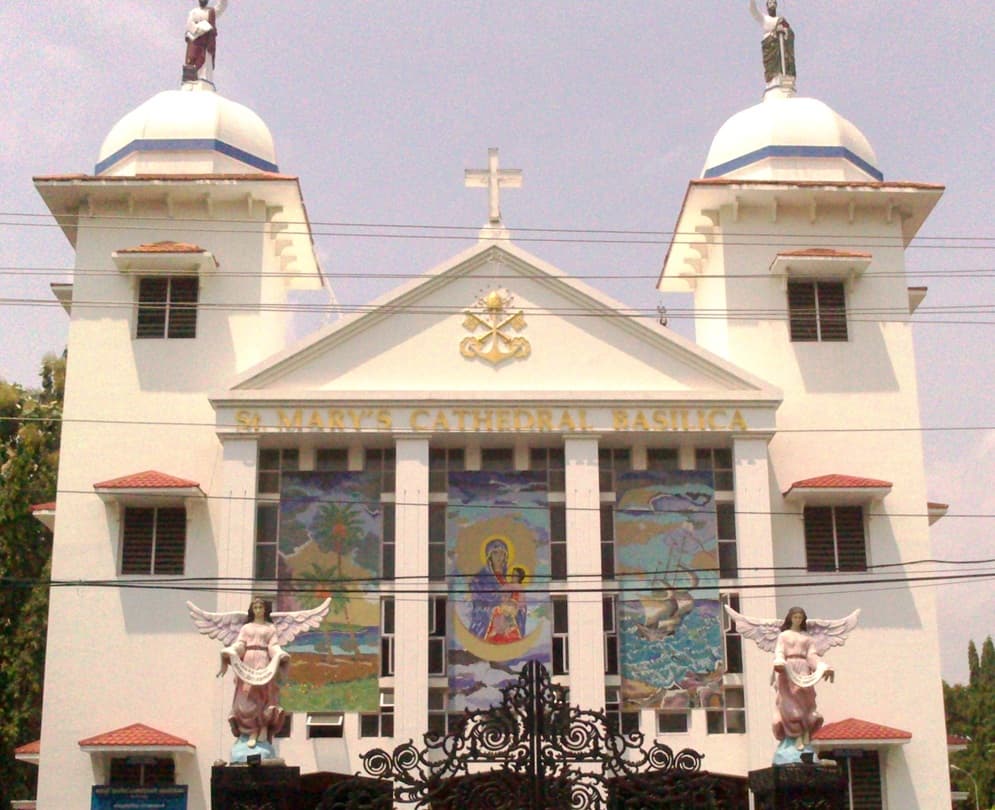
At the Cathedral Basilica of St Mary in Kochi, in the Archieparchy of Ernakulam-Angamaly, on Sunday 30 August, for the first time in four years, the Eucharist was once again celebrated with the celebrant facing the congregation, as part of a compromise solution which, whilst safeguarding the ‘unified rite’ decided by the Synod, has allowed for certain exceptions.
The crisis began in November 2021 when the collegial body governing the Syro-Malabar Church – seeking to resolve the existing situation in which some communities celebrated the Holy Qurbana (the Eucharistic rite of this Eastern Church) with the priest facing the altar whilst others followed the conciliar form – had adopted a mixed solution in which the celebrant faced the altar throughout the entire Eucharistic prayer.
However, the clergy and faithful of the Archdiocese of Ernakulam-Angamaly, supported by the then vicar, refused to adopt this solution, wishing to continue celebrating the entire rite with the priest facing the congregation; for this reason, the Cathedral Basilica was even closed for a period after the protests had escalated into violent acts.
Speaking to AsiaNews, the secretary of the Archieparchy’s Council of Priests, Fr Kuriakose Mundadan, explained: “The Cathedral has experienced many ups and downs in the wake of the Syro-Malabar Bishops’ Synod’s decision to implement the ‘unified rite’, bringing an end to Mass celebrated facing the congregation.
The entire Archieparchy of Ernakulam was opposed to this decision, which prevented the active participation of the People of God in the celebration of Holy Mass as promoted by the Second Vatican Council.
In 2025, following the appointment of Archbishop Joseph Pamplany as the new Vicar, a consensus was reached within the Archieparchy whereby the rule is that, in parishes, the celebration of a Holy Mass in the synodal form on Sundays and holy days of obligation may validate other Masses celebrated facing the congregation.
In St Mary’s Cathedral, however, a group that vehemently opposed Mass facing the congregation caused many problems, to the extent that legal proceedings were brought before the civil courts and the High Court of Kerala on the matter.
“When the court clarified that there was no ban,” explains Fr Mundanan, “the two opposing factions reached an agreement extending the approach adopted in the parishes to this cathedral as well. The agreement stipulates that wedding services and a solemn Mass in the synodal form will be celebrated for those parishioners who make a formal request to the cathedral’s parish priest.”