Kathmandu (AsiaNews) – The conviction of two former Nepali ministers has reopened one of the longest and most complex issues in South Asia, that of the Lhotshampa, a Nepali-speaking minority that saw many of its members expelled from Bhutan in the early 1990s.
Yesterday, a district court in Kathmandu sentenced former Deputy Prime Minister Top Bahadur Rayamajhi to four years in prison and former Home Affairs Minister Bal Krishna Khand to two years over their involvement in a scheme to produce fake documents allowing Nepali citizens to pass as Bhutanese refugees, and benefit from a resettlement programme in the United States.
Fourteen other people, including a former senior Home Affairs Ministry official and a former refugee representative, were handed sentences of up to four years in prison. Both former ministers have consistently denied the charges and have announced that they will appeal.
The scandal, which first broke out in 2023, is linked to a humanitarian programme promoted by the United Nations High Commissioner for Refugees (UNHCR), which resettled about 113,000 Bhutanese refugees in eight third countries between 2007 and 2018, primarily to the United States, which took in 100,000.
According to the investigation conducted in Nepal that led to the recent convictions, some Nepali citizens, with the complicity of government officials and intermediaries, allegedly obtained false papers to register as Bhutanese refugees.
The Lhotshampa
The legal case follows youth protests against corruption that led to a new Nepali government, reopening the still-unresolved issue of refugees from Bhutan, the Lhotshampa (southern borderlanders).
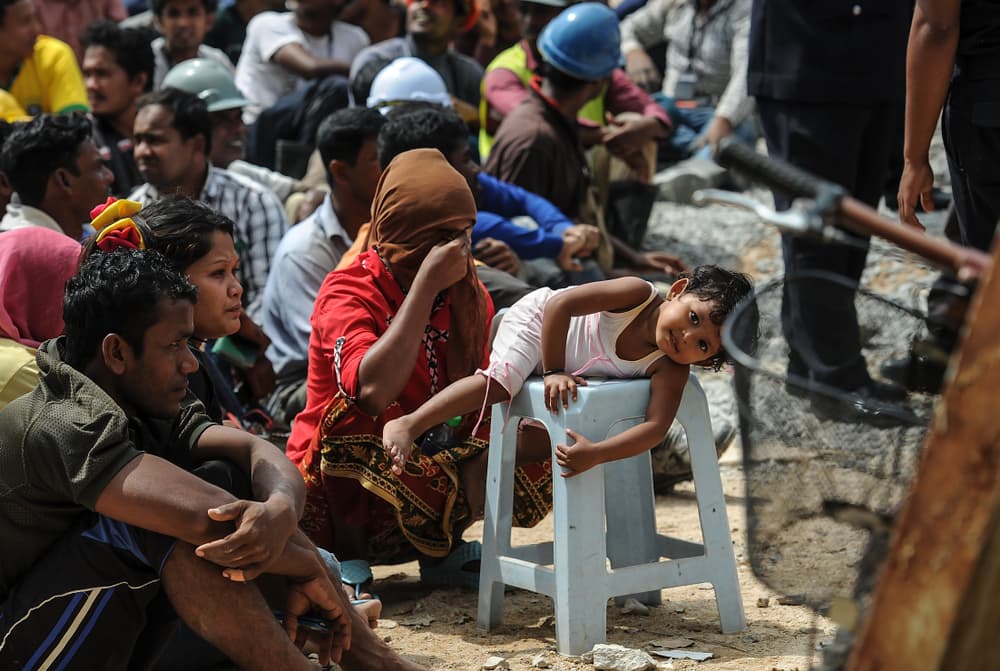
Ethnic Nepali Bhutanese were expelled or forced to leave Bhutan in the late 1980s and early 1990s, when the country’s monarchy introduced policies that favoured the majority Drukpa (the country's main Buddhist branch) and imposed more restrictive requirements for citizenship.
This affected the mostly Hindu Lhotshampa. As a result, some 120,000 people crossed the border into Nepal.
For decades, Nepal and Bhutan have attempted unsuccessfully to negotiate the repatriation of refugees, but the lack of an agreement prompted the international community to promote resettlement in third countries.
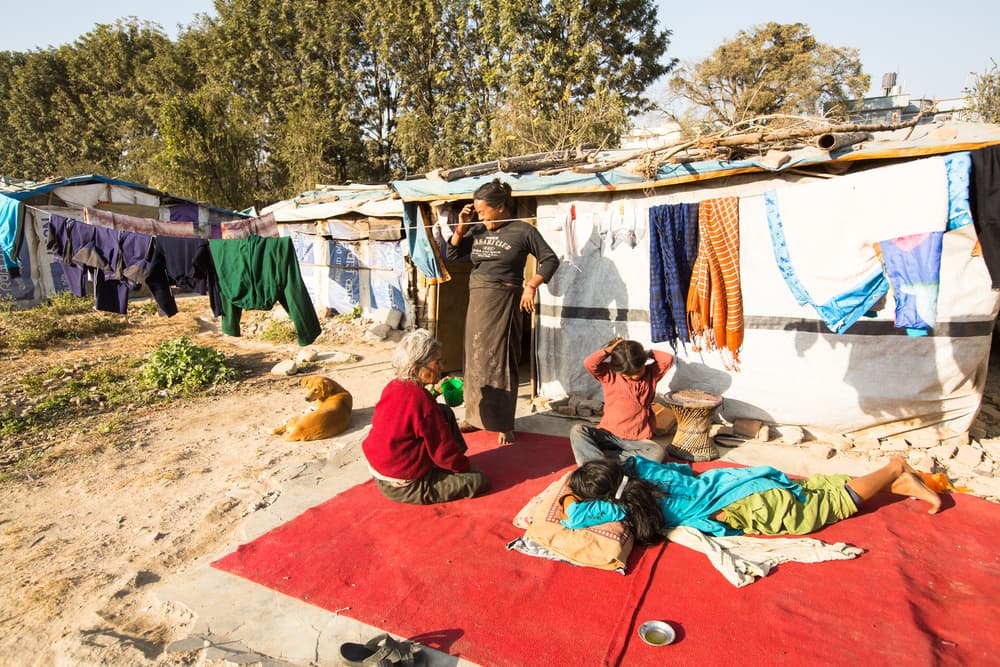
This solution allowed tens of thousands of people to rebuild their lives, albeit without resolving the issue. Today, about 7,000 refugees still live in the two remaining camps, Beldangi and Sanischare.
Deportations from the United States
Over the past two years, the situation has become further complicated by the increase in deportations from the United States, which has tightened its immigration policies.
According to Asian Refugees United (ARU), a Pennsylvania-based advocacy group, at least 75 Bhutanese refugees have been repatriated since the beginning of 2025, after being convicted of certain offences (drug-related, domestic violence, or repeated drunk driving).
The difficulties facing the Bhutanese community in the United States are not new. Under US law, the right to remain in the country even after serving their sentence can be revoked, leaving them stateless.
The suicide rate among Bhutanese refugees in the United States is approximately 24.4 per 100,000, almost double the US average, the Centers for Disease Control and Prevention report.
Research found that living without a sense of belonging is a factor that leads to isolation, the loss of ties to family and community, as well as to part of one's identity. And for many expellees, their return has turned into a new exile, The Diplomat reports citing various deportees.
Although born in Bhutan, local authorities have refused to accept them as citizens. According to several witnesses cited by ARU, many refugees were escorted to the border and forced to enter India without valid papers.
Since then, many have lived in a sort of limbo between India and Nepal to avoid arrest or further forced repatriation.
Some managed to reach the Beldangi and Sanischare refugee camps, where they grew up before resettlement in the United States; others hide near border areas.
Meanwhile, in the refugee camps, living conditions remain precarious because, following the end of the international resettlement programme, humanitarian aid dried up, and today many families live with fewer resources.