Colombo (Asia News) – The India International Centre (IIC) in New Delhi, in cooperation with the Gangaramaya Temple in Colombo, has launched a project to digitise palm-leaf manuscripts, known as South Asian Manuscript Histories and Textual Archive (SAMHiTA).
The Indian government is fully funding the project, and the Indian High Commissioner, Santosh Jha, attended the launch ceremony in Sri Lanka, as well as made a visit to the temple.
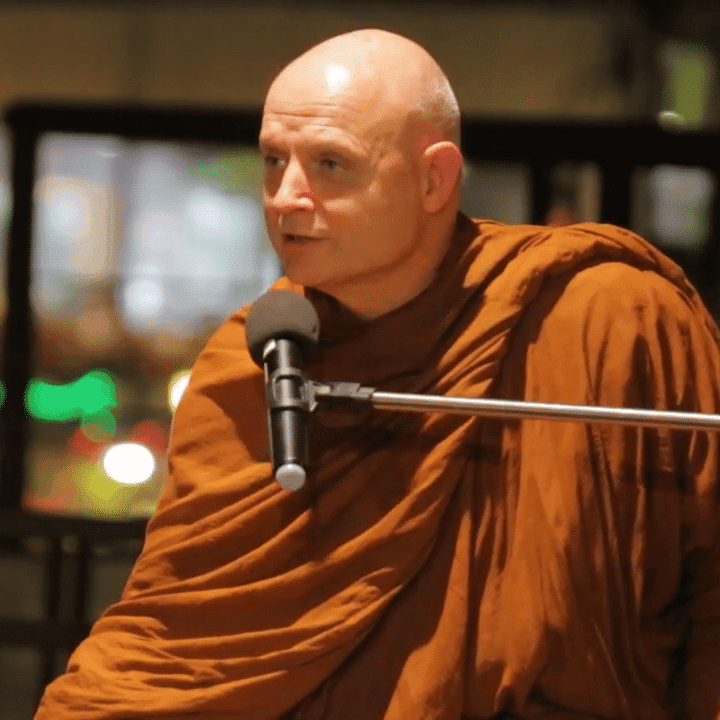
The Venerable Dr Kirinde Assaji Thero, who oversees the Gangaramaya Temple, commended the Indian government for its support.
“Project SAMHiTA seeks to preserve the rich intellectual and cultural heritage of South Asia by digitising ancient manuscripts and safeguarding the knowledge they contain for future generations. These manuscripts are repositories of civilizational wisdom, documenting languages, philosophies, religious traditions, rituals, customs, and artistic practices," reads the press release from the High Commission of India.
Reflecting the Buddhist heritage of India and Sri Lanka
The Gangaramaya Temple is the first institution in Sri Lanka to enter into a partnership with the IIC as part of the SAMHiTA project. The two signed a memorandum of understanding in July 2024 for the digitisation of the ancient manuscripts housed in Colombo.
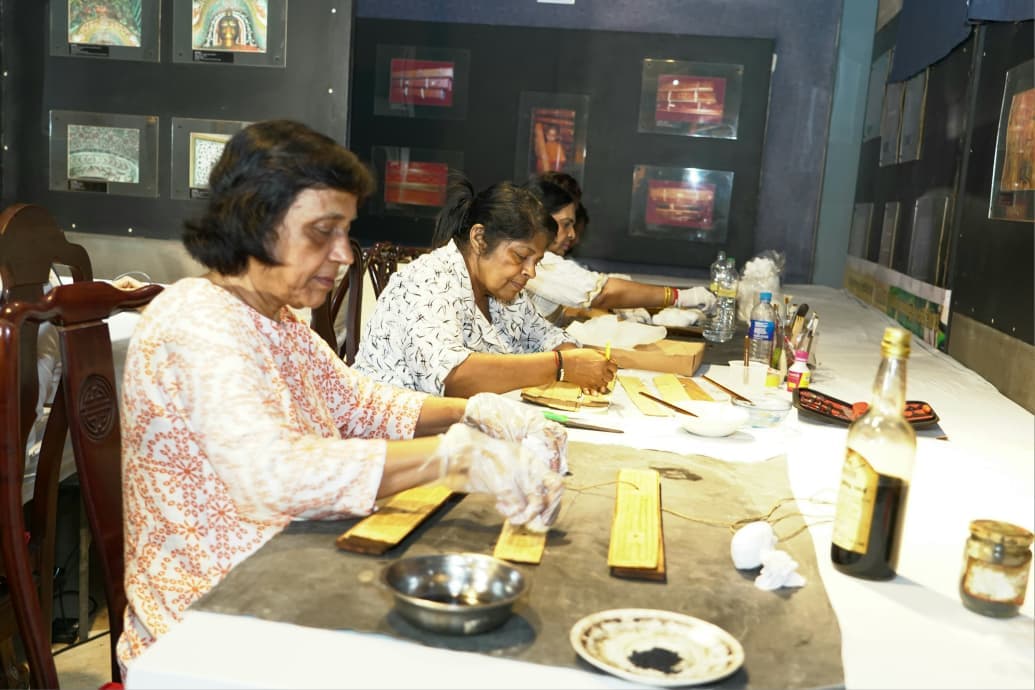
A team of experts from Sri Lanka is currently carrying out the digitisation project, which is expected to be completed by the end of this month.
Speaking at the ceremony, the high commissioner expressed his appreciation to the Venerable Dr Kirinde Assaji Thero for his leadership and guidance, as well as to Prof Gamini Ranasinghe and his team of experts for their dedication to the initiative.
Jha emphasised that the Government of India is honoured to support the project, which “reflects the deep and enduring Buddhist heritage shared by India and Sri Lanka, rooted in centuries of spiritual, intellectual, and cultural exchange.”
Peoples united by reverence and devotion
India’s top diplomat in Sri Lanka said that the exhibition of the sacred Devnimori relics of Lord Buddha, among the most significant Buddhist archaeological finds in India, was held at the Gangaramaya Temple in February 2026, which brought the people of both countries together in a spirit of reverence and devotion.
He further invited other partners in Sri Lanka engaged in the digitisation of ancient manuscripts to work with the SAMHiTA project. Wishing the initiative at the Gangaramaya Temple success, he also expressed hope that it might be expanded to include a larger number of manuscript collections for preservation.
Also in attendance were the Venerable Dr Pallegama Rathnasara Thero, the head of the Gangaramaya Temple, who, in his address, highly commended the Indian government for the assistance provided, as well as members of the temple’s board of trustees, project consultant Prof Gamini Ranasinghe, and his team of local experts.
During the visit, the project consultant and his team explained the manuscript conservation work and the digitisation process.