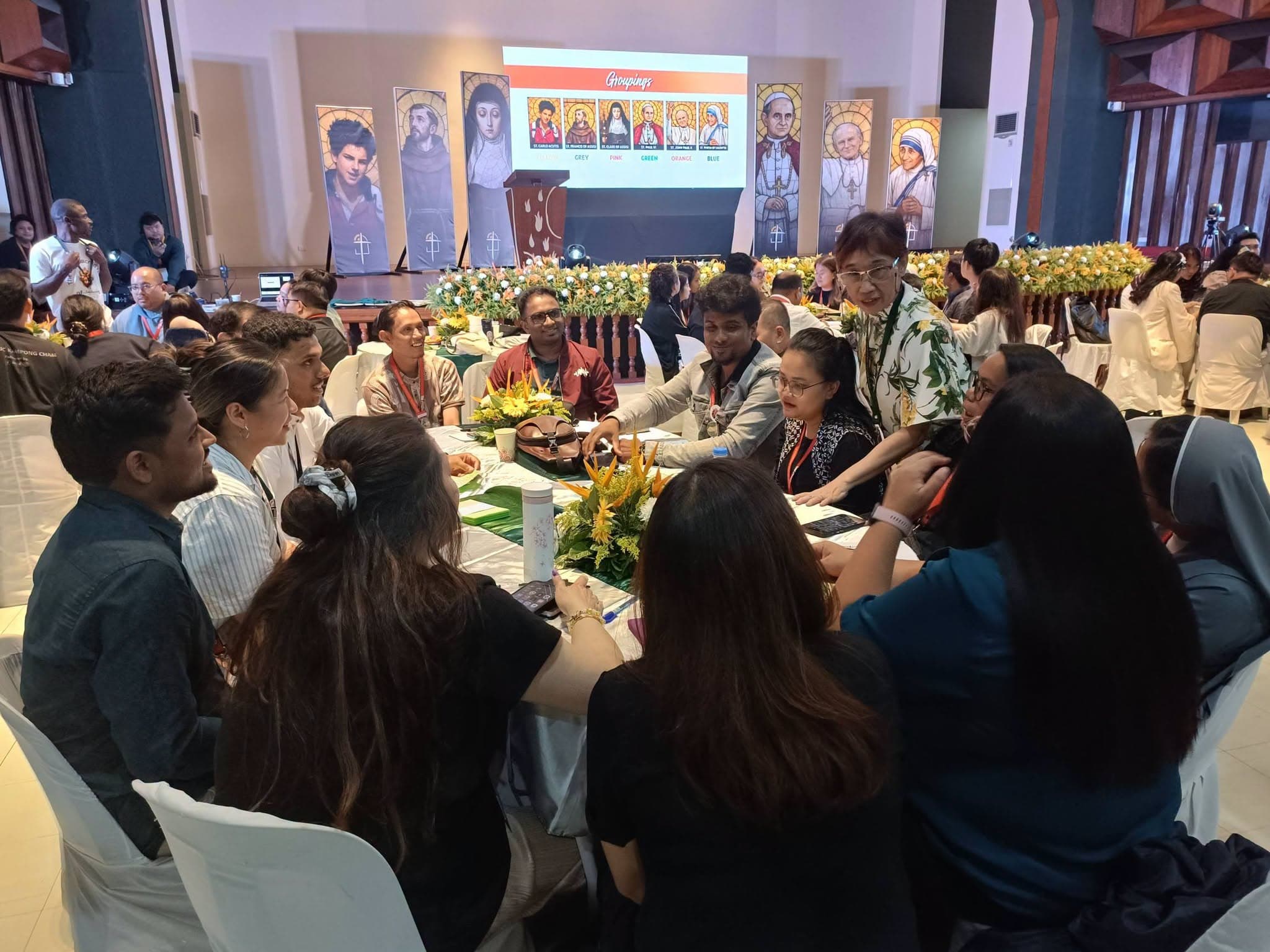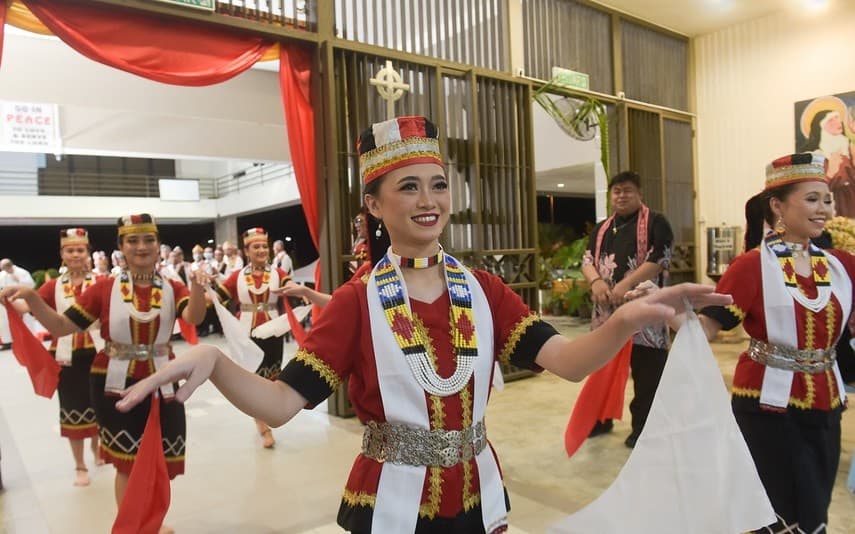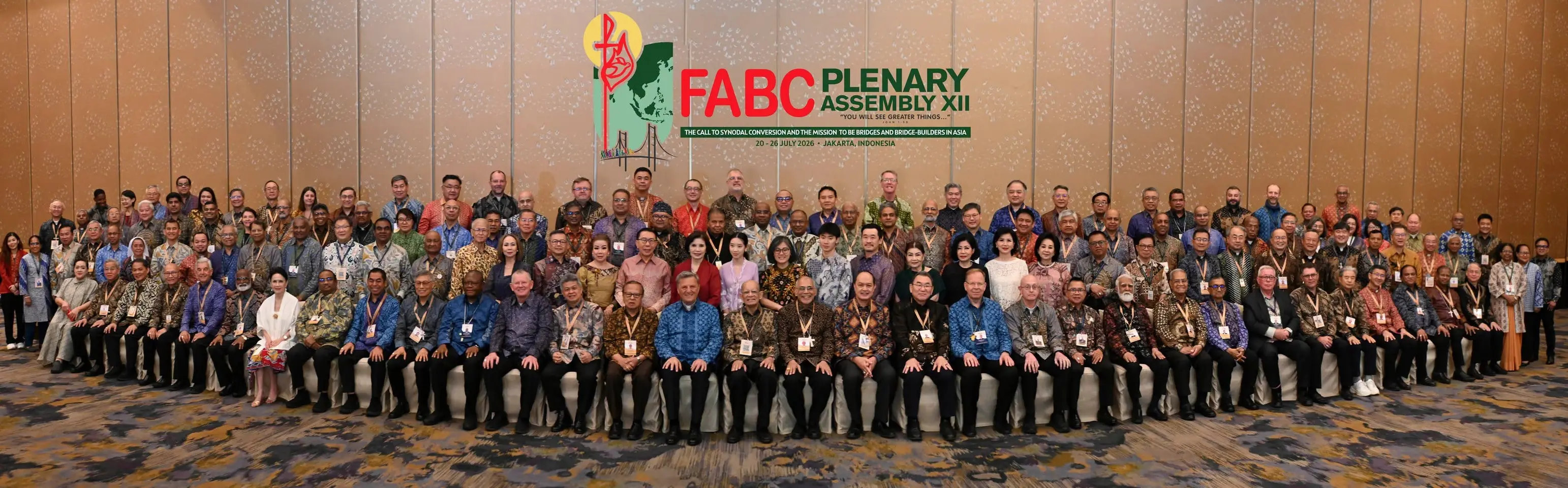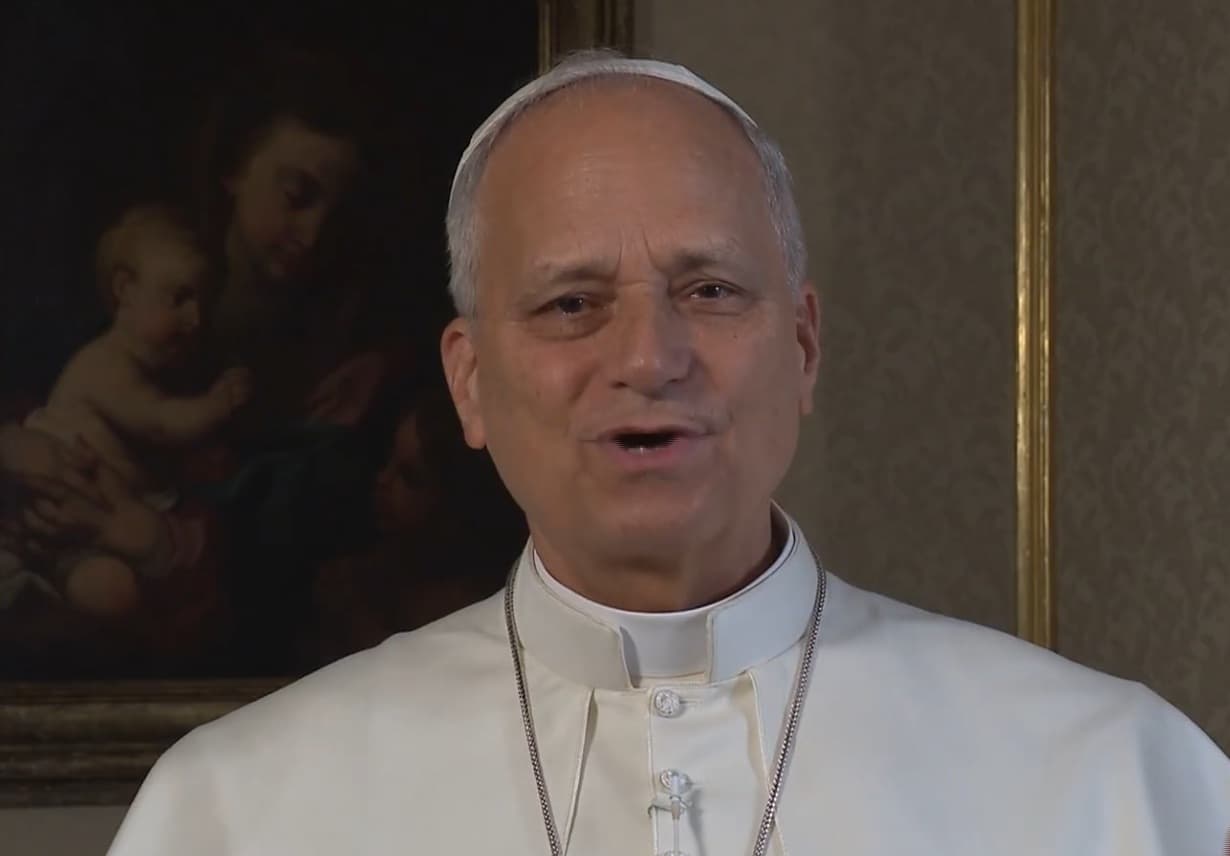
Jakarta (AsiaNews) – To promote “a Eucharistic spirituality” within the Churches of Asia, in order to foster communion within local communities and thus become “an ever more eloquent sign of God’s presence in your various countries”. This was stated today by Pope Leo XIV in a brief video message to the 12th Plenary Assembly of the Federation of Asian Bishops’ Conferences, which is currently bringing together 150 cardinals, bishops and delegates from Catholic Churches across the continent in Jakarta.
“As you gather to discuss the important issues concerning the life and future of the Catholic Church in Asia,” said the Pope, “I assure you of my spiritual closeness, praying that the Holy Spirit may inspire and guide your time together.”
Referring to the verse from the Gospel of John chosen as the theme for this gathering – “You will see greater things than these” (Jn 1:50) – the Pope explained that, in calling his disciples, “the Lord refers to himself as the sole mediator between God and humanity. As his disciples today, we know that Jesus is not only the source of our communion with God, but also of our communion with one another’.
Hence the invitation to “continue to promote a Eucharistic spirituality in your local Churches, that is, a spirituality of ecclesial unity founded on the charity that flows from the Lord’s gift in the Eucharist. In this way, I hope that the bonds of communion within and between local Churches will be strengthened and become an ever more eloquent sign of God’s presence in your various countries, thus helping you to be builders of bridges together throughout Asia.
The words of Leo XIV came on the day when the participants are preparing to examine and approve the final document and the message to the People of God which – summing up this week’s work – will offer a guide to the Churches of Asia on how to address, in a concrete manner and in the spirit of synodality, the challenges of a rapidly changing continent.
This reflection is not intended to be self-referential. For synodal conversion is not merely an appeal addressed to the Catholic Church, but also a moral call to Asia’s political, economic and social leaders. This was clearly explained yesterday by Cardinal Ignatius Suharyo, Archbishop of Jakarta, speaking alongside Cardinal Pablo Virgilio David, Bishop of Kalookan in the Philippines and Vice-President of the FABC, and Cardinal Mario Grech, Secretary General of the Synod of Bishops, at a press conference on the progress of the Assembly’s work.
Cardinal Suharyo emphasised that the spirit of synodal renewal should also inspire those in positions of public responsibility. “The call for synodal conversion should not be limited to the Church. It should also be directed at those who hold strategic positions in society, particularly political leaders, whose contribution to shaping society is highly influential,” he stated.
Whilst reiterating that the Assembly “is not a political forum”, the cardinal explained that the bishops intend to offer “a moral appeal to those in public office to renew their commitment to serving people, especially those facing difficult circumstances”.
The three cardinals identified five priorities for authentic conversion: respect for human dignity, which is still denied in many parts of Asia; the promotion of the common good, with particular attention to the fight against poverty and inequality; the fight against corruption, described as a serious obstacle to justice and good governance; the strengthening of solidarity, to ensure equal opportunities and inclusion; and care for creation, since environmental degradation affects the poorest most of all. “Conversion, conversion, conversion,” commented Suharyo.
For his part, Cardinal David reiterated that the Church’s mission cannot be reduced to a mere increase in the number of the faithful. “Our main objective is not simply to increase the number of Catholics,” he stated.
According to the Filipino cardinal, evangelisation consists first and foremost in recognising and promoting the dignity of every person, created in the image and likeness of God. For this reason, the Church is called to accompany not only Christians, but all humanity, contributing to the building of societies founded on justice, solidarity and peace.
“We are called to become heaven here on earth,” declared the cardinal, explaining that the Kingdom of God is present wherever human dignity, justice and peace are respected. Christian witness, he concluded, is therefore measured not so much by the numerical growth of believers as by the ability to transform the world according to the values of the Gospel.