Myanmar

Featured article

  • Expulsion of East Timor Diplomats divides ASEAN over Myanmar

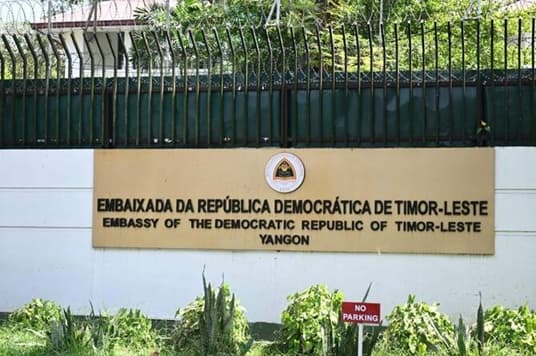
    Naypyidaw's measure against the chargé d'affaires in Dili follows the opening of legal proceedings for alleged war crimes committed by the Burmese army. It is the first time that a court in a country belonging to the regional bloc has taken legal action against another member state. The affair highlights the deep divisions within the organization, split between those calling for greater pressure and those who want a rapprochement after the controversial elections.

  • After the elections, more civilians hit with 'precision' bombs

    In the past weeks, Myanmar’s junta continued its campaign against villages, markets, and monasteries, through digital surveillance as well. While the military claims that it is using “precision” weapons, medical staff and eyewitnesses report an increase in lethality. General Min Aung Hlaing visited the conflict zones in Sagaing, a sign that things might escalate soon.

  • Bangkok: after Anutin's victory, Burmese migrants again invisible

    Crucial to the economy but ignored in public debate: workers who fled Myanmar were not among the topics of the latest election campaign. With the victory of Thai Prime Minister Anutin Charnvirakul and his conservative Bhumjaithai party, many expect to see their situation legalised, after work permits were approved last year for refugees in refugee camps to replace Cambodian migrants.

  • Jesuit priest injured by landmine in Sagaing

    Father Nicholas Han Zaw Shing was thrown from his motorcycle and sustained several injuries. Ordained a few weeks ago, he has had to flee the military junta's bombings. The International Campaign to Ban Landmines, which reported the incident, said that both the Myanmar army and anti-coup resistance groups continue to plant explosives, creating the conditions for decades of further suffering.

  • Myanmar exhausted by war five years after a military coup

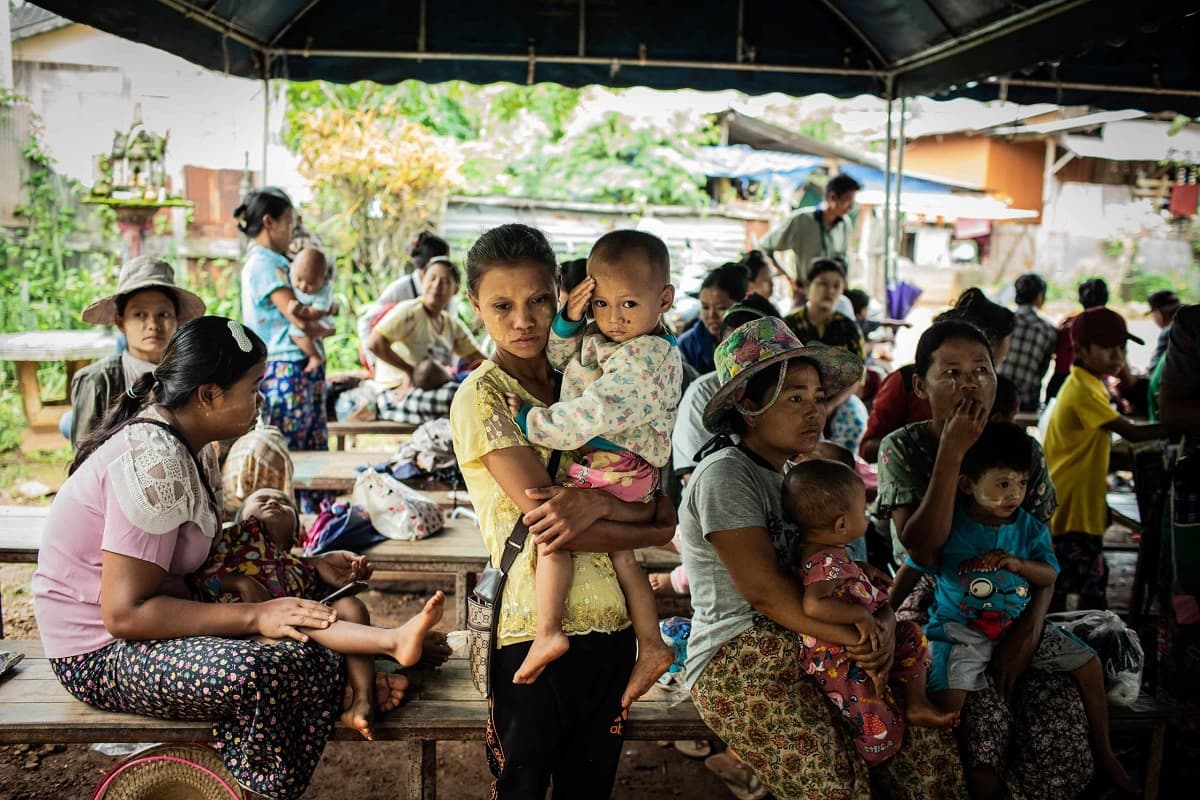
    The country is still embroiled in a civil war that has devastated the economy, displaced millions, and fragmented territorial control. Despite a show of strength in the recent elections, the military junta controls just 40 per cent of the territory. More than 20,000 opponents remain in prison, including Aung San Suu Kyi. Divisions among ethnic militias are rife. Disillusioned, the civilian population is paying the highest price.

  • Military targets civilians in Kachin State while holding final election round

    Civilians are hit in airstrikes in several regions of the country on the eve of the last phase of voting organised by the military junta. In the village of Kawngjar, Kachin State, an attack left at least 22 dead during a funeral prayer. Other raids struck Magway and Sagaing. Condemned by much of the international community, the electoral process was marred by intimidations, while areas controlled by resistance forces were excluded from voting.

  • In East Timor, Myanmar’s Chin minority is taking the military junta to court

    A human rights organisation has filed a complaint in Dili against Myanmar’s military junta for crimes against humanity. The choice of East Timor, a recent ASEAN member with its own history of occupation and violence, opens a new legal front in Southeast Asia. Myanmar’s military have responded with a diplomatic protest, accusing East Timor of violating the principle of non-interference enshrined in the ASEAN Charter.

  • Ballot boxes under arms: the Burmese junta brings elections to conflict territories

    The second phase of the general elections promoted by Myanmar's military junta took place on 11 January. Voting also reached disputed areas and conflict zones, where the military threatened civilians and made accusations of coercion. According to the United Nations and independent observers, the process lacks democratic credibility and represents an attempt to gain international legitimacy for a regime that continues to rule by force.

  • Rohingya genocide trial begins today, but Myanmar remains unmentioned

    The case of alleged genocide by Myanmar’s military against the Rohingya in 2017 has opened at the International Court of Justice in The Hague. The case, initiated by Gambia, comes after years of international inertia, in a context currently marked by deep political and military upheavals in Myanmar. The 2021 coup, the ongoing civil war, and shifting alliances on the ground are making the trial increasingly disconnected from current reality.

  • New rift in Burmese resistance: Karen group proclaims independent state

    The general in charge of the Kawthoolei Army (KTLA), one of the militias fighting against the military junta, recently announced the birth of the ‘Republic of Kawthoolei’ on the border with Thailand. The move divides the Karen people and has been criticised because it risks weakening the anti-junta front in the civil war, at an already very delicate moment for the resistance.

  • China confirms its role in Myanmar’s disputed elections

    Special Envoy for Asian Affairs Deng Xijun said that the vote (to guarantee Chinese interests) was a condition Xi Jinping imposed on Min Aung Hlaing. The results from the first round on 28 December released by Myanmar’s military regime confirm the expected victory by a wide margin for the military-backed party. In Myanmar, however, China is walking a tightrope, continuing to support ethnic militias that control border areas.

AsiaNews Weekly
News from Asia that matters

Subscribe to the newsletter to receive verified news, analysis and insights from Asian countries every week.

Subscribeto the newsletter
  • P.I.M.E. Centro Missionario
  • Agenzia Fides
  • P.I.M.E. Brasil
  • Radio Mondo
  • Mondo e Missione
  • P.I.M.E. U.S.A.
  • TV 2000