Bangkok (AsiaNews) – The case of the Uyghur refugees who fled China in 2014 to seek asylum in Thailand continues to weigh heavily on the government in Bangkok.
On Tuesday 3 November, the issue resurfaced in Parliament, where a representative of the reformist opposition called for the forced repatriation of two Uighurs – who had just been granted amnesty along with three other compatriots convicted of attempting to escape from an immigration detention centre – to be halted.
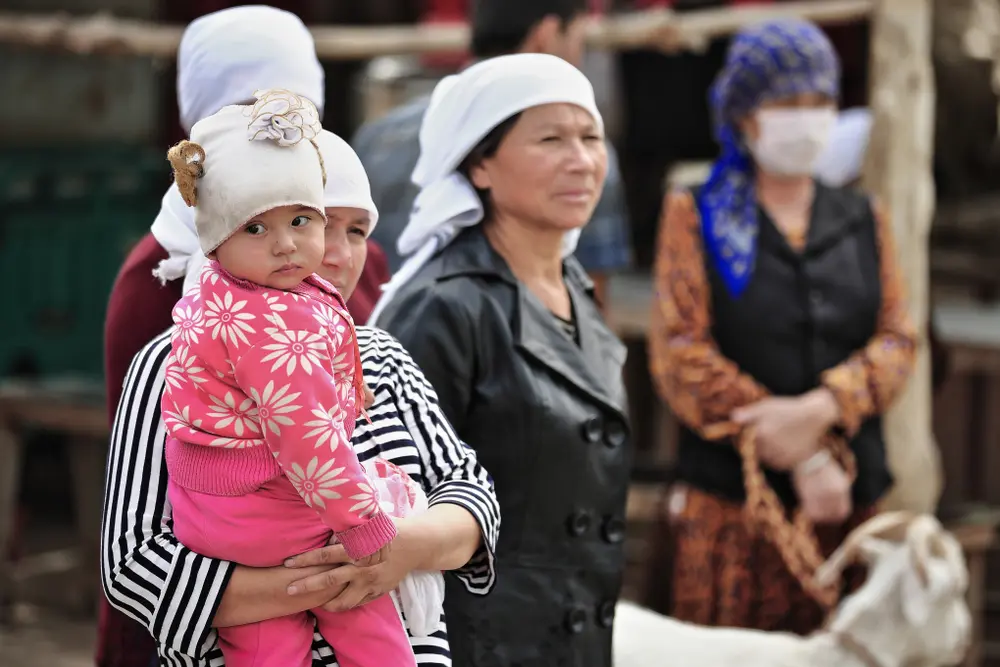
More than 300 Uyghurs arrived in Bangkok in 2014, following long and perilous journeys, to escape persecution by the Chinese authorities in the western province of Xinjiang, the homeland of this Muslim minority. Instead of being welcomed and supported in their integration into Thai society, they have been segregated or imprisoned under successive governments, both military and civilian. This is despite the fact that Thailand, whilst not having signed the UN Refugee Convention, is bound by the international principle of non-refoulement – the prohibition on returning people fleeing conflict or persecution.
Over the years, the majority of Uighurs in Thailand have been deported: 170 people, mainly women and children, were transferred to Turkey in 2015, whilst in the same year several men were repatriated to China. In 2025, a further 40 or so people were repatriated to China, despite widespread international criticism.
Beijing has also requested the extradition of the two men granted amnesty on 21 October, as well as the other three who remain in prison. The request was confirmed by the Thai government spokesperson, Ekkapob Pianpises, who also reported that Bangkok had given the two men the opportunity to challenge the decision through legal channels. The five, who have not been granted refugee status, have been wanted by the Chinese authorities since 2014 on the basis of an arrest warrant. Human rights activists fear that, if repatriated, the two may face persecution.
If Beijing’s request is confirmed, it will therefore be up to a local court to rule on their extradition to China. However, there remains the precedent of the approximately 40 Uighurs forcibly repatriated last year, whom the Chinese authorities had labelled ‘illegal migrants’: a definition which, particularly in light of bilateral relations, could prove difficult for Bangkok to challenge or reject.
Once again, therefore, Prime Minister Anutin Charnvirakul finds himself having to decide on a sensitive issue, in which bilateral relations and international pressure, political interests and legal obligations are intertwined. Deportation to China would also be prohibited under Thai law, which in 2022 outlawed torture – a provision that has been circumvented in the past.
As Amnesty International and Human Rights Watch emphasised on Wednesday, if repatriated, the Uighurs “face a serious risk of torture and other grave human rights violations”
The humanitarian solution would be to allow the two men – who have already been released from prison and are now being held at the Suan Phlu Immigration Detention Centre in Bangkok – to reach a third country. This option appears all the more urgent given that over a million Uyghurs and other Muslim Chinese citizens are being detained in Xinjiang as part of a discriminatory campaign which the UN has deemed may constitute a crime against humanity.