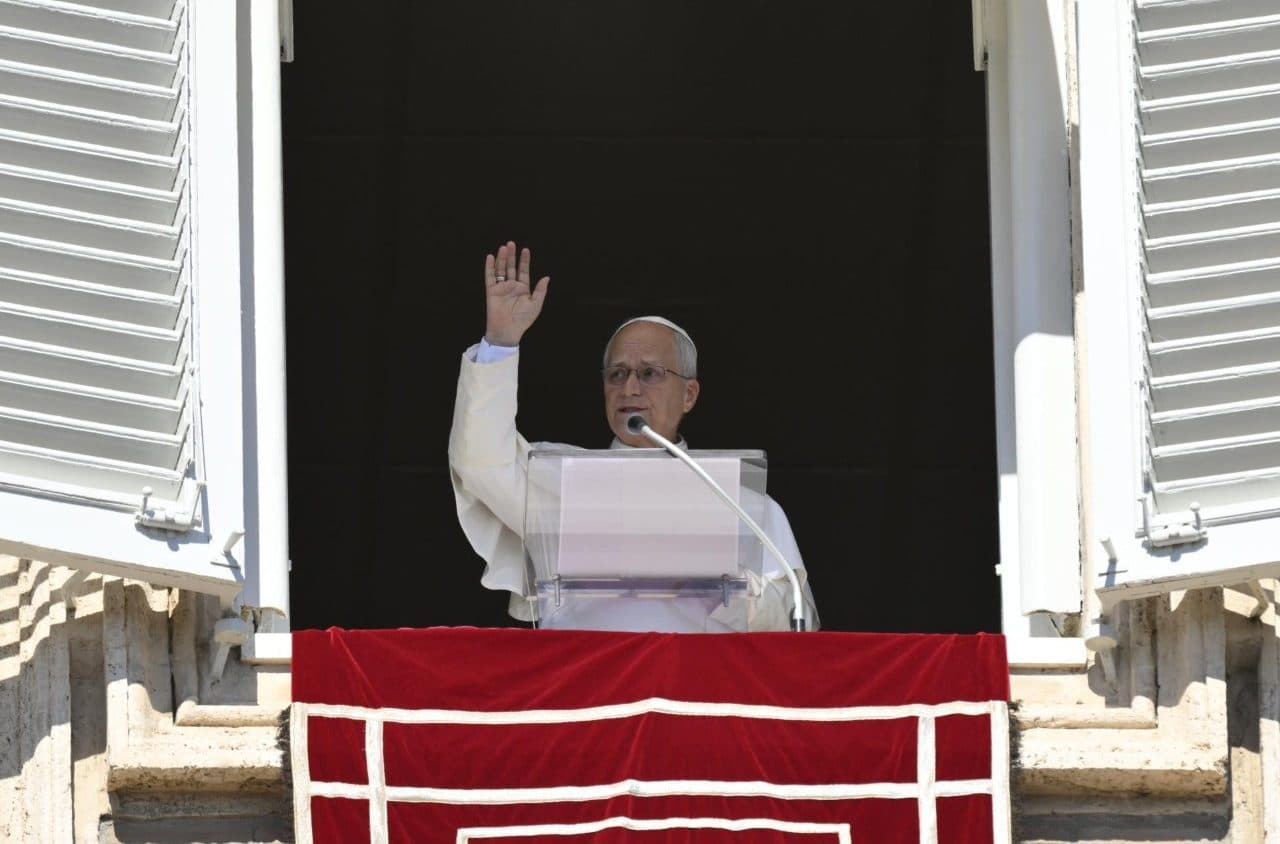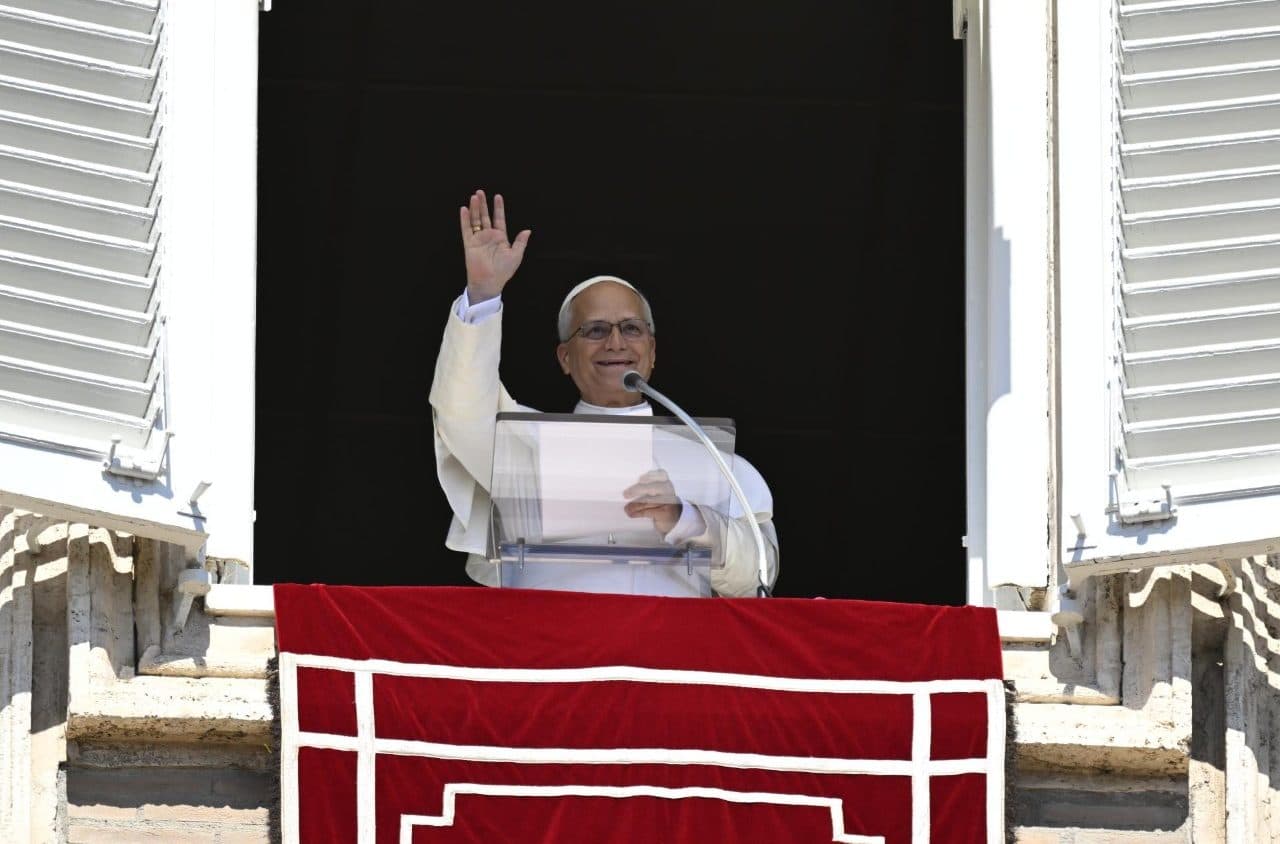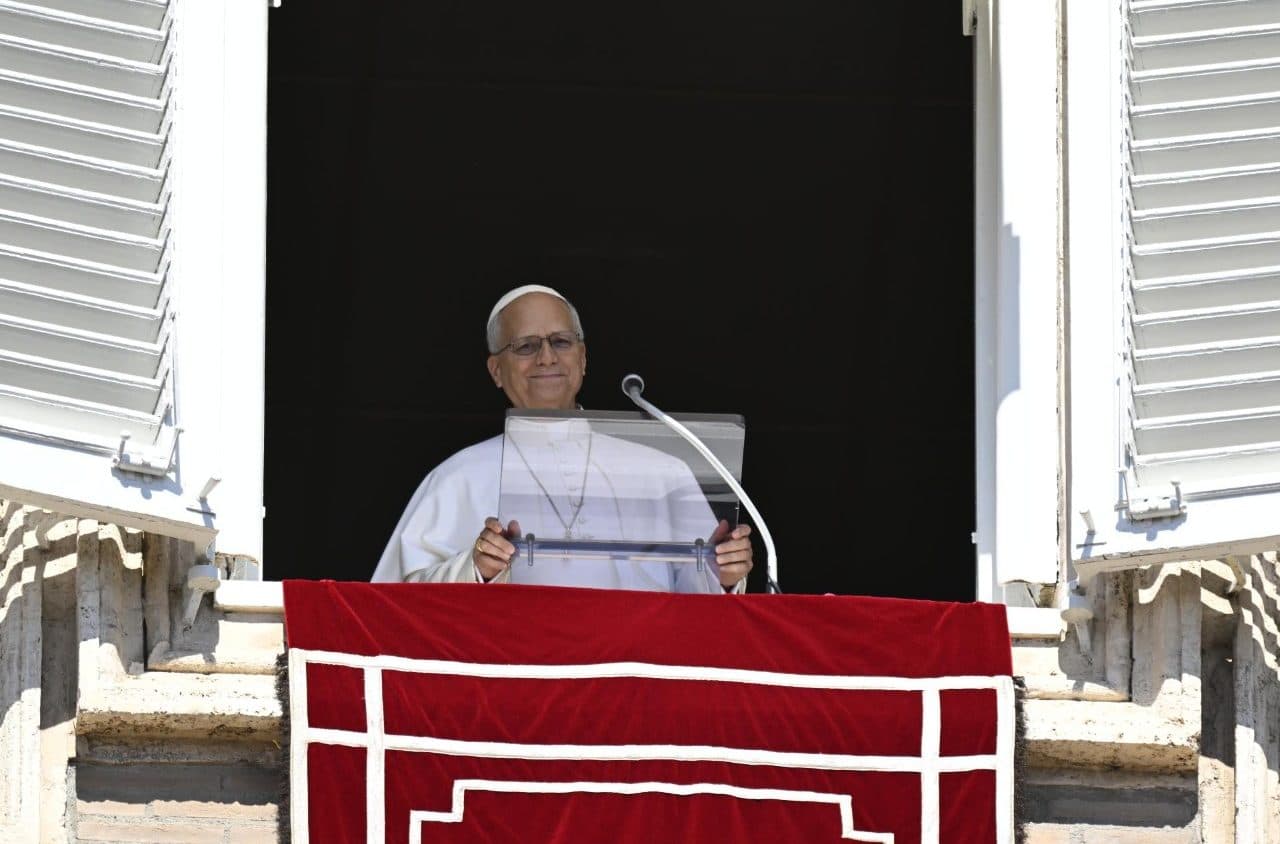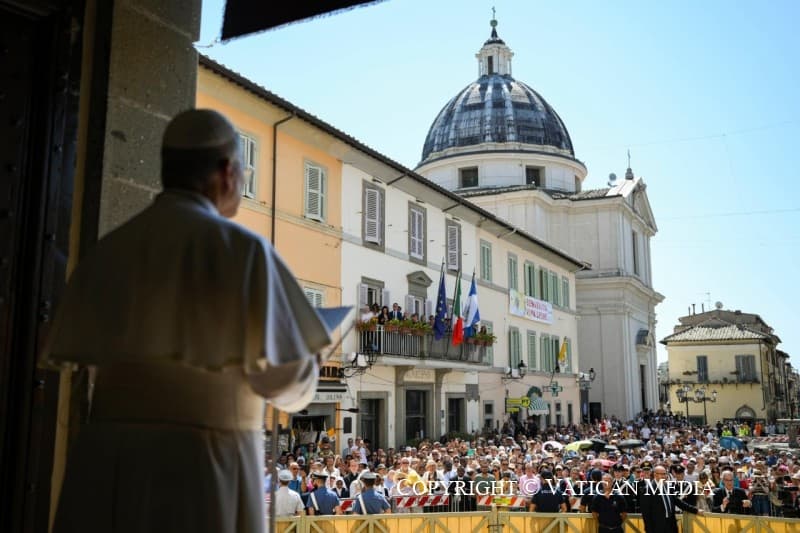
Castel Gandolfo (AsiaNews) – Even on this festive day, from the main square in Castel Gandolfo, Pope Leo XIV turned to those who suffer the most in the world.
“Most Holy Mary, assumed into the glory of heaven, is a sign of hope and consolation for the entire People of God,” the pontiff said. “For this reason, I wish to invoke her maternal intercession today on behalf of those communities that are in particular need of consolation and of renewed hope.”
“My thoughts go out to our brothers and sisters in the Holy Land, which is also, par excellence, the Land of Mary,” Leo told the faithful gathered for the Angelus prayer.
“My thoughts also go out to the Ukrainian and Russian peoples, both of whom are united by their filial devotion to the Holy Mother of God, and to Christians who suffer discrimination or even persecution.”
The pontiff, who continues to pray for the people of Colombia suffering because of the recent earthquake, urged the faithful to invoke Mary's intercession for those who live in difficult contexts with the words, “Holy Mary, pray for us!”
To holidaymakers, the pontiff said, “I hope that everyone will be able to enjoy a time of rest, to recharge both body and spirit – perhaps with some good reading and time spent in nature. Have a wonderful celebration today, and see you tomorrow.”
The pope’s celebration of the Assumption in Castel Gandolfo began with the Mass celebrated in the local parish church of San Tommaso da Villanova, located in the same square as the papal villa.
In his homily, Leo XIV offered his reflections on Mary’s beauty and that of humanity. Speaking about the image from the Book of Revelation of the "woman clothed with the sun, with the moon under her feet," as presented in the liturgy, he noted how this image, apparently, contrasts with the experience of what the passing of the years produces in us.
“As we age,” Leo explained, “our bodies do not become more agile, but heavier; our skin does not become fresher, but shows the signs of old age; our hair does not gain color and luster, but turns gray and then white. So, what do we have in common with the beautiful young woman depicted on the altarpieces of our churches?
“To understand this, we must unite the two signs we have mentioned: the incorrupt body of the Mother of God and her immaculate heart. For it is the purity of the soul that, in Mary – as in us – by the grace of God, illuminates and transfigures the whole person, leading us to the glory of Heaven.”
For the pontiff, the glorification of Mary in body and soul – celebrated on the solemnity of the Assumption – teaches us that “our true beauty does not lie in hiding the signs of aging, but in revealing the signs of love that never end, and are even impressed on our flesh”.
For this reason, Leo said, “If we truly wish to discover and nurture the divine beauty that surrounds us and for which we were made, and to share it with those around us, we must learn to see it in the wrinkles of an elderly person as in the tender face of a child as well, in the maturity of an adult as in the liveliness of a young person as well, in work clothes and tools”.
“Love transfigures, transforms, ennobles and lifts us up, making us light, free and close to God, even amid life’s ups and downs.”
The sublimity of the mystery celebrated in the solemnity of the Assumption should therefore not be sought far away.
“We can encounter it wherever there is true charity. For example, in the eyes of a father and mother returning home after a long day, tired but happy to be with their children.
“In the faces of grandfathers and grandmothers who, despite the aches and pains of old age, are filled with unexpected energy as they care for their grandchildren.
“In the commitment of young people who strive to grow in morality and sincerity, ready even to go against the grain of ‘what everyone else does.’
“Finally, in the daily work of so many men and women who, with faith and dedication, help bring a little bit of Heaven to earth and the Earth closer to Heaven.”