Vatican City (AsiaNews) – In two days, Leo XIV will leave for Latin America on an apostolic visit to Uruguay, Argentina, and Peru, from 6 to 17 November.
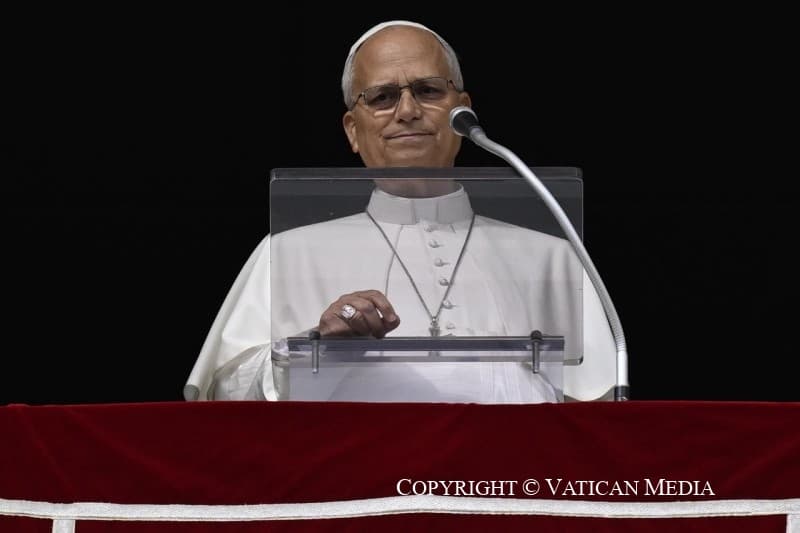
"I ask you to accompany me with your prayers, so that the Lord may bless this mission in those countries that are so dear to me," he said this morning at the conclusion of the general audience held in St Peter's Square.
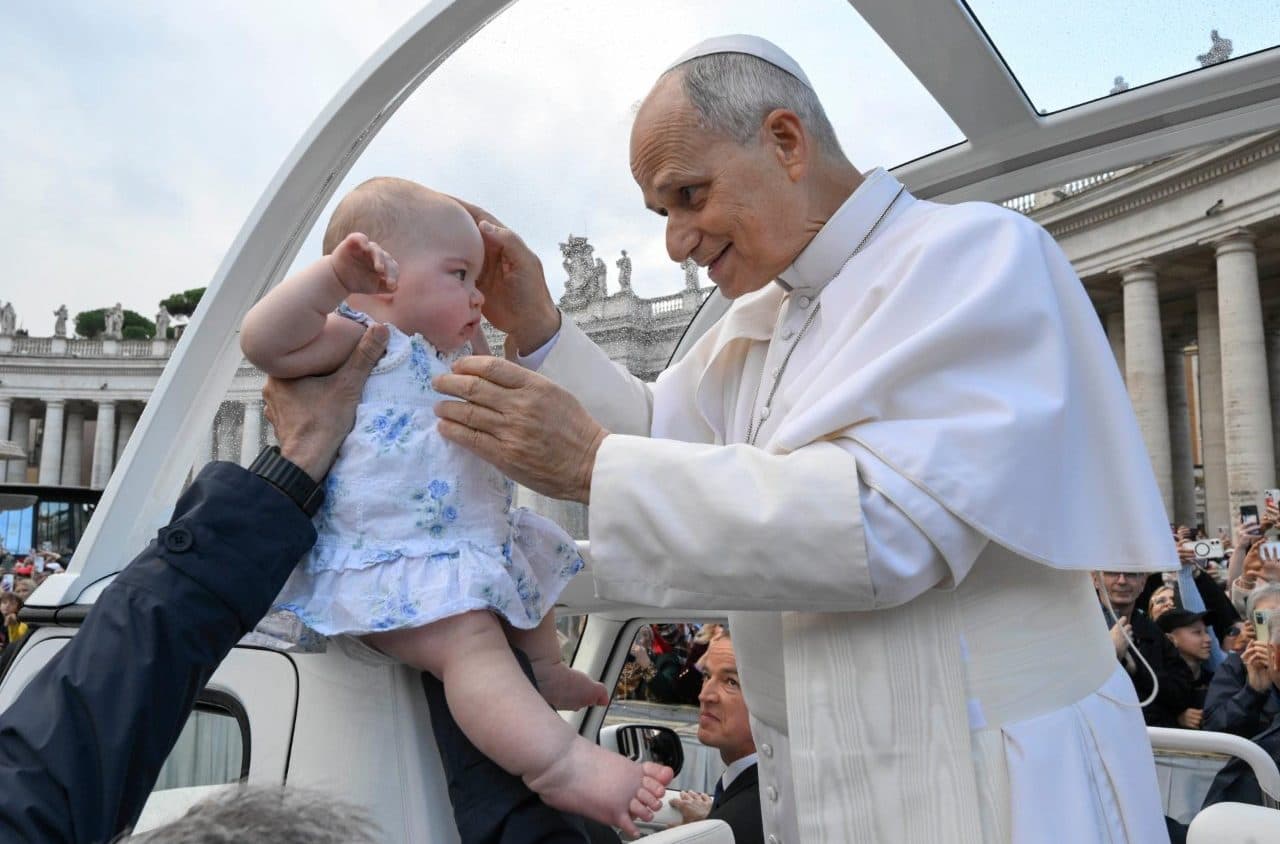
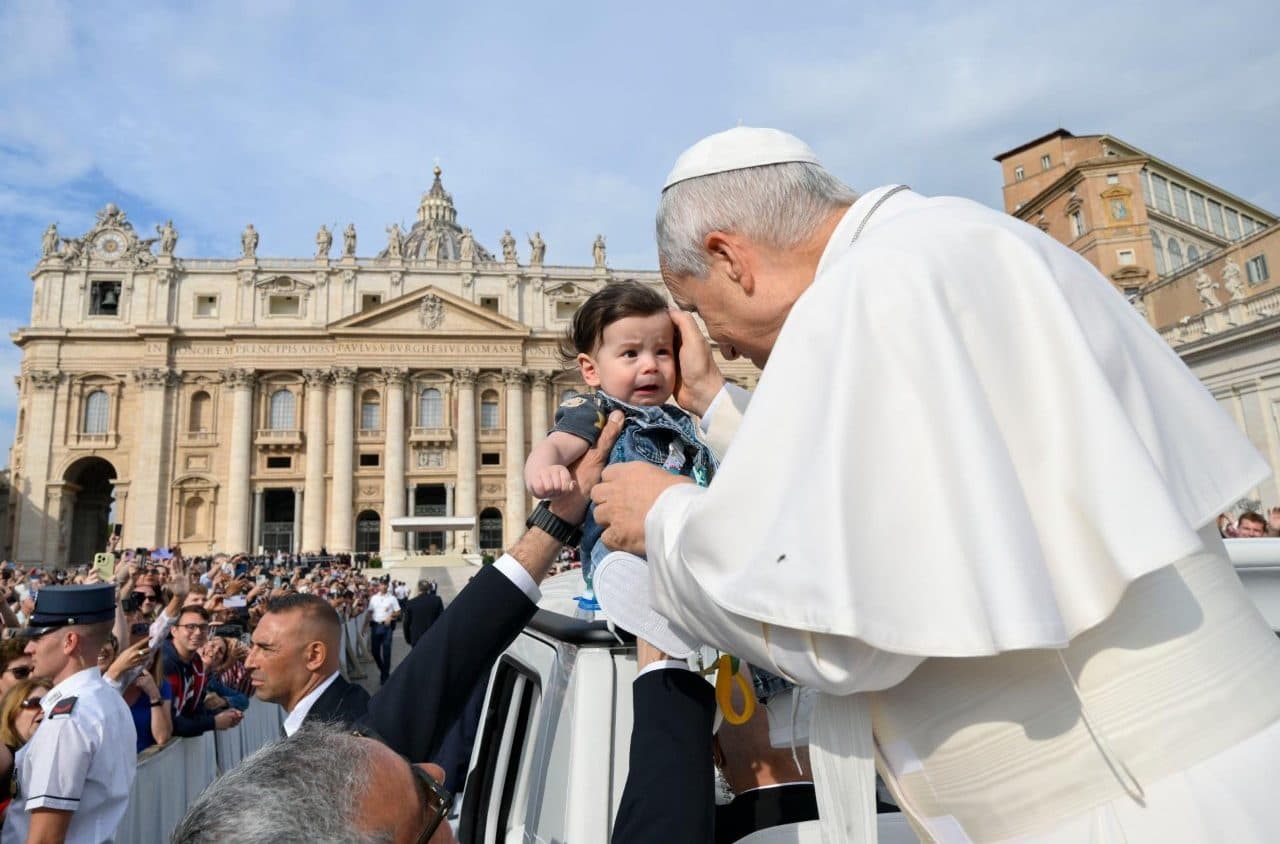
During the audience, the pontiff addressed thousands of faithful, whom he had greeted at the start of the event as the Popemobile made its way around the square, under a hazy sky on a morning that saw sunny breaks.
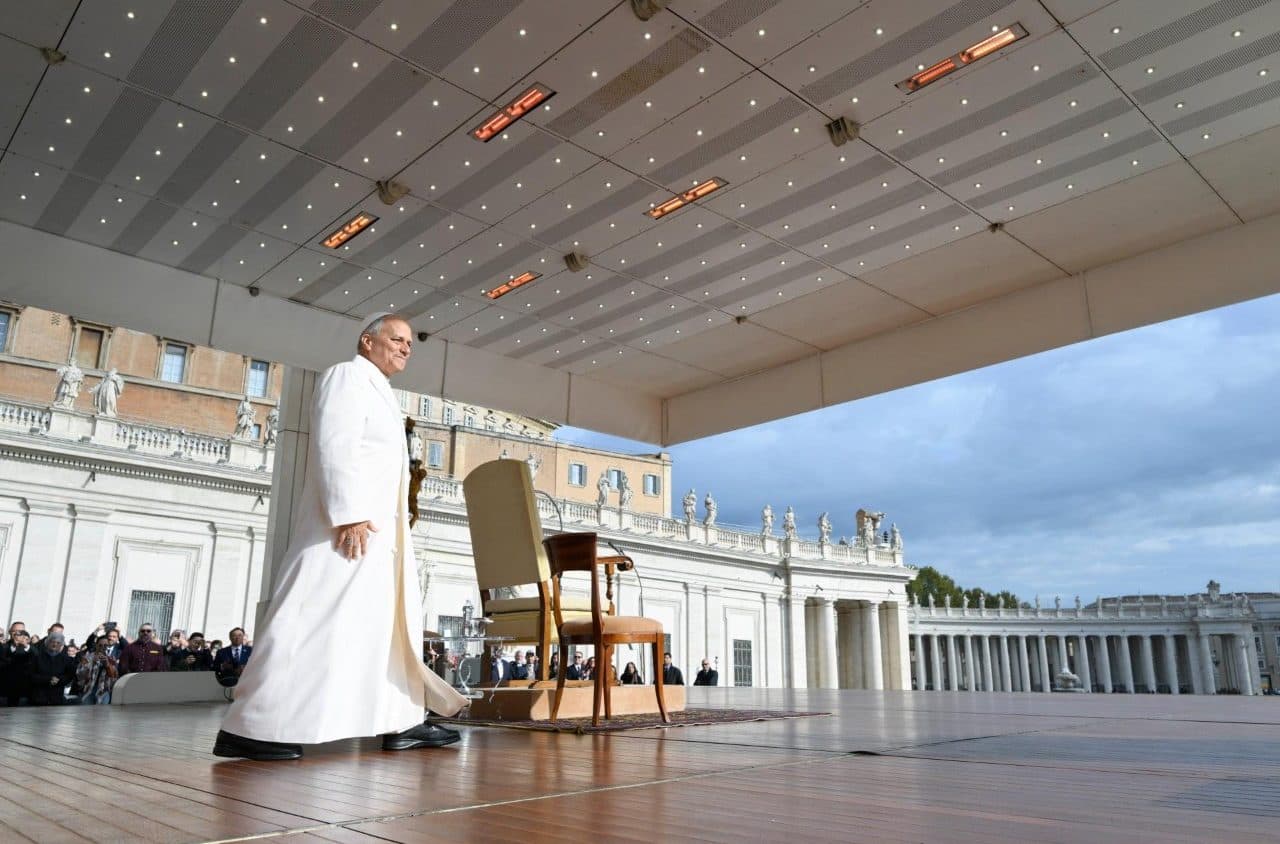
At 10:00 am, Leo XIV took his place on the parvis of St Peter’s Basilica to share today’s catechesis, part of a series dedicated to the documents of the Second Vatican Council.
Specifically, he focussed on the pastoral constitution Gaudium et Spes, exploring the theme of "Faith and social, political, and economic life," with reference to chapters III and IV of the second part.
The social dimension is an integral part of faith in Jesus
The “social dimension" is an "integral part" of faith in Christ, Leo said.
“The Council Fathers highlight, first of all, the threat to world peace deriving from the imbalances linked to an economic development that is neither equitable nor respectful of creation,” he explained.
The pope described this perspective as a "far-sighted vision”, which was confirmed in the decades following the Council.
Thus, Gaudium et spes “summarizes the Christian vision of economic development, which must always be at the service of humankind and under human control.”
A clear stance that brings to the fore the concept of "integral development", a notion dear to Pope Paul VI and central to his encyclical letter Populorum Progressio (1967).
“The heart of the economy is work. Through it, one develops as a person, provides for family needs, expresses one’s own talent, participates in social life and builds a better world by collaborating in God’s creative work,” Leo said. “Work must never be distorted to the detriment of people, the common good or creation.”
For the pope, “unemployment, exploitation and working conditions that endanger health and life itself are unacceptable”
He also stressed that workers have the right and the duty “to participate in decisions affecting their work, including through trade unions, resolving conflicts through dialogue and non-violent action”.
The political community exists for the sake of the common good
The "universal destination of the earthly goods" is one of the cornerstones of Catholic social teaching, as reiterated by the Second Vatican Council.
Thus, Gaudium et spes also emphasises that, in the financial sphere, those responsible for investments must establish “a right balance between the needs of present-day consumption, both individual and collective, and the demands of investing for the generation to come”.
Equally, he stressed the importance of “a politico-juridical order which will give better protection to the rights of the person in public life”.
“The political community exists for the sake of the common good,” the pope said. Hence, “The exercise of political authority must always be directed towards the common good, which must be structured and operate according to local and historical circumstances, but always with the good of the entire human family at heart”.
Leo noted that “engaging in economic and political life in accordance with these criteria is a way of building peace.” In fact, “politics that tends to the wounds of peoples and of those who suffer injustice offers grounds for hope for the future of humanity,” the pontiff added.
“For this reason, I encourage young people to follow the example of those men and women who have borne faithful witness in these fields.”
Final greetings
As he brought the catechesis to a close, Leo XIV mentioned two beatifications to be celebrated next Saturday.
"In Antigua Guatemala, Augusto Rafael Ramirez Monasterio, a priest of the Order of Friars Minor who was killed out of hatred for the faith in 1983, will be beatified," he said.
Similarly, “the beatification of Francesco González de Córdova will take place in Santander, Spain. The diocesan priest, along with seventy-nine companions, including priests, seminarians, and laypeople, did not fear shedding his own blood for the love of Christ during the persecution last century in Spain.”
“These new Blesseds reveal yet another part of the ‘immense multitude’ of the Lord’s friends, a group also commemorated this past Sunday, the Solemnity of All Saints.”
Finally, the pope turned his thoughts to young people, the sick, and newlyweds. “Today marks the liturgical memorial of Saint Charles Borromeo, a distinguished bishop of the Diocese of Milan, who, animated by an ardent love for the Lord, served as a teacher and guide to his brethren. Following his example, allow yourselves to be led by Christ in your daily lives," Leo said.