Articles by the author:

Vladimir Rozanskij

  • The shifting alliance between Moscow and Tehran

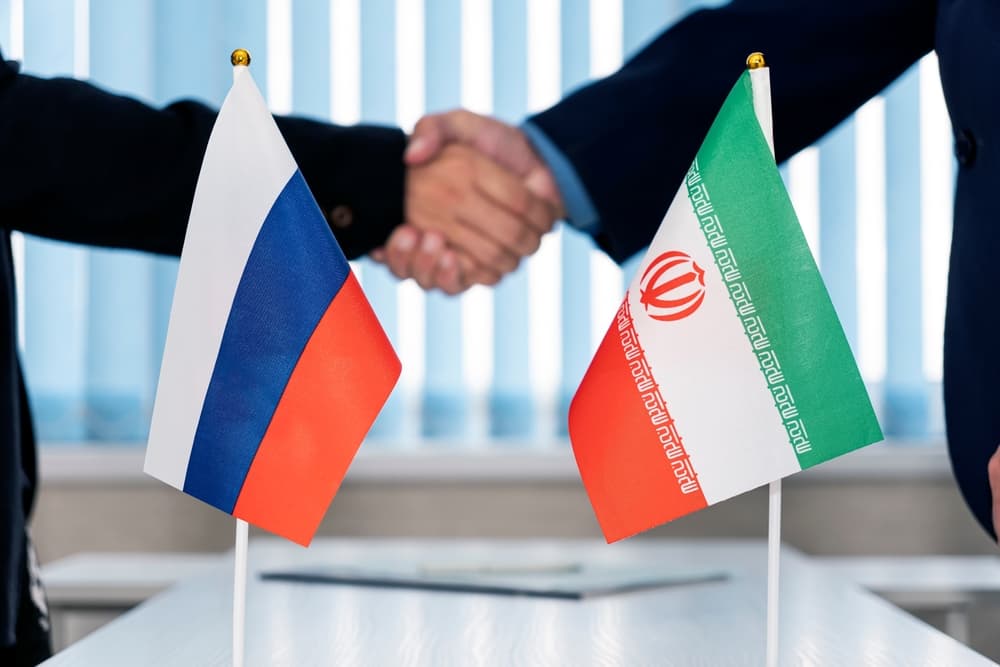
    Foreign Minister Abbas Arakhchi’s visit to St Petersburg has confirmed that, following the invasion of Ukraine, Iran has become an “irreplaceable supplier” to the Russian army, which has been weakened by problems with arms production and heavy losses at the front. Meanwhile, Moscow’s know-how is now making Tehran’s drone attacks more effective in terms of navigation and precision.
  • The Destruction of Armenian Heritage in Artsakh

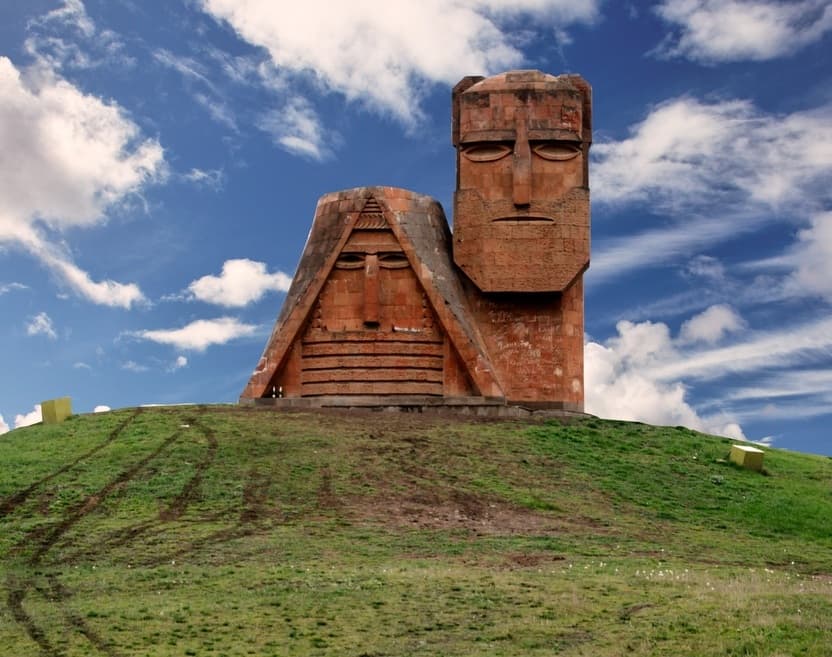
    From the Stepanakert Cathedral to Tatik-Papik—the monument on the hill symbolizing the unbreakable bond between Armenians and Nagorno-Karabakh—the destruction by Azerbaijani vandals continues, as they demolish churches, steles, and other objects of historical and cultural value to completely erase the identity of others. With no significant reaction from the international community (or from the Yerevan government itself).

  • Social Service in the Russian Orthodox Church

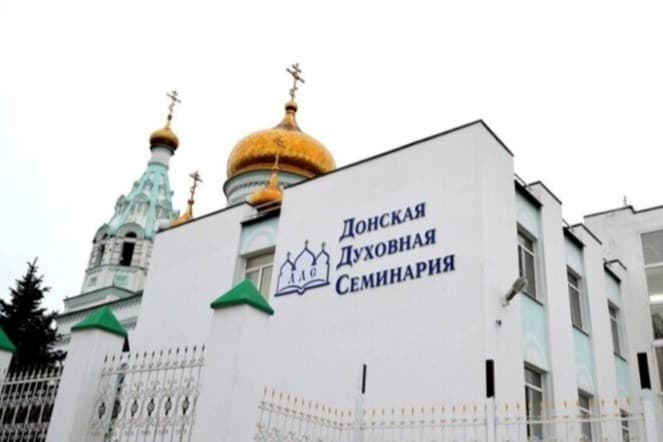
    At the Donskoy Seminary in the Rostov region, a master’s programme on the charitable dimension of the Church has been launched at the Synod’s behest. This marks a new direction in Russian Orthodox theological studies, with a programme that seeks to develop an ‘innovative’ approach, employing both scientific and spiritual methodologies.

  • New military agreements among Central Asian nations

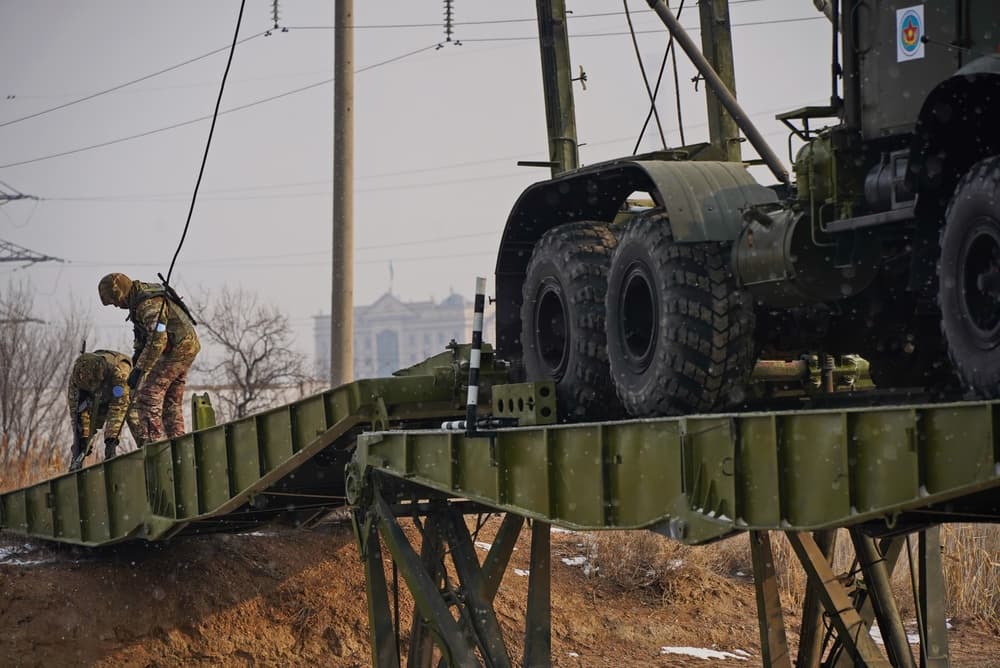
    The countries of Central Asia are also taking steps within the framework of strengthening regional cooperation in defence systems, a process triggered by the war in the Middle East. Kazakhstan has announced the opening of its airspace to military flights from Turkey. Together with Uzbekistan, it aims to strengthen the alliance between the Turanian states through coordination plans with European nations.

  • Astana Summit and Kyrgyzstan’s environmental leadership

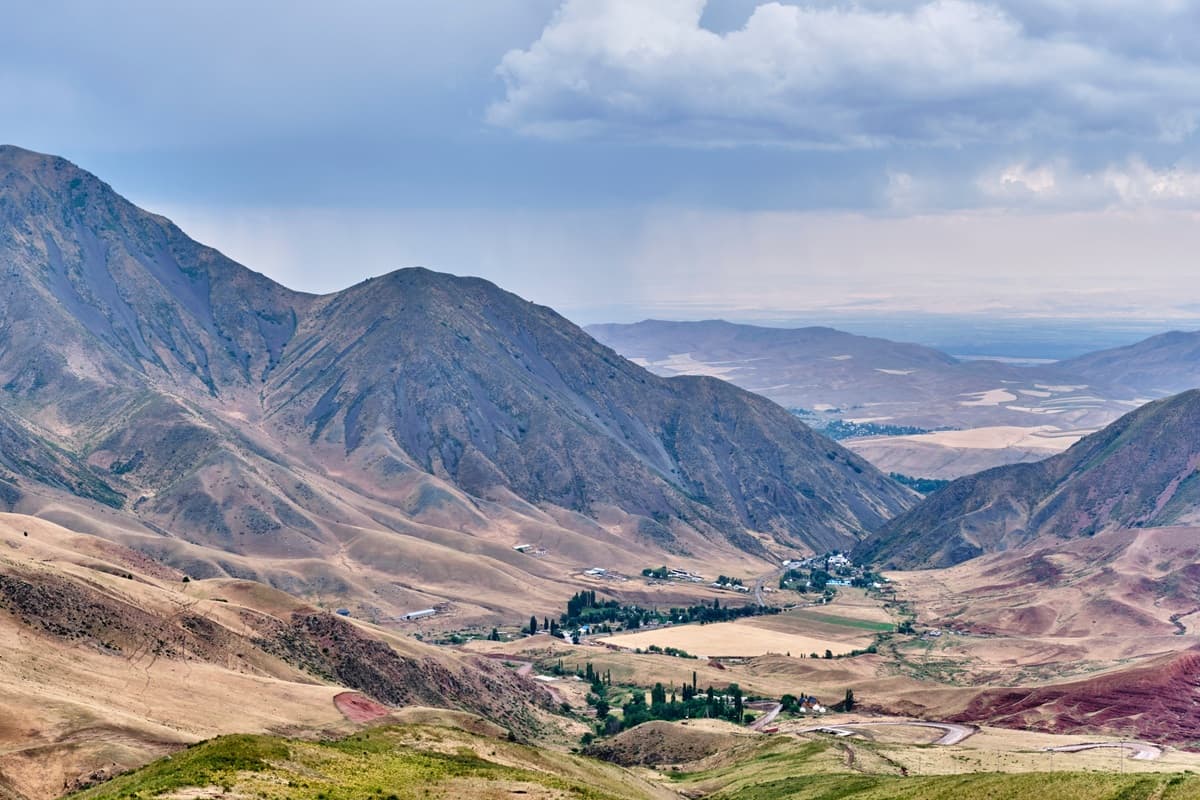
    A regional summit on environmental policies is currently taking place in the capital of Kazakhstan, alongside a meeting of the countries participating in the International Fund for Saving the Aral Sea. With the Bishkek government aiming to link the issue of Kyrgyzstan’s melting glaciers to the delicate environmental balance of the whole of Central Asia.

  • Uzbekistan’s new focus on its culture

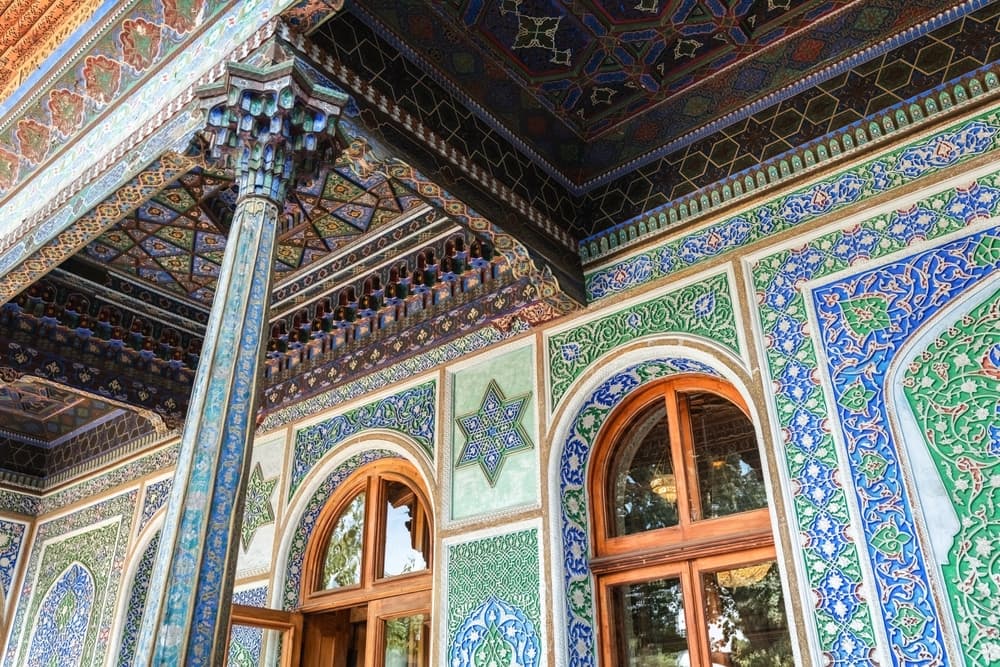
    By 2030, Tashkent plans to increase the share of the ‘creative economy’ in gross domestic product to 5%. In recent years, two new theatres, 19 cultural centres, 16 museums, 20 music and art schools, and five universities specialising in the sector have been opened. Mirziyoyev wants to restore the Uzbeks to their former glory, whilst also seeking to present a new face of the country.

  • Northern Russia's wooden churches

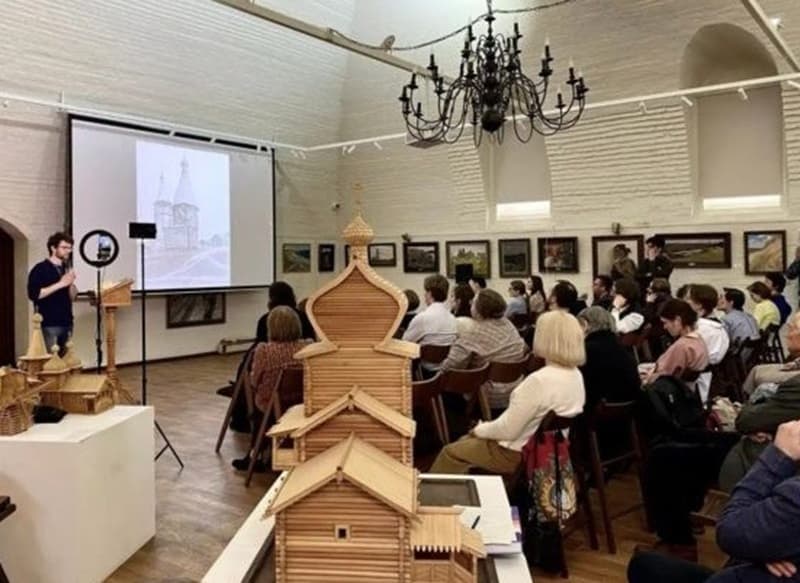
    Over the course of nearly twenty years, a project led by Orthodox volunteers has restored more than 200 churches and chapels built entirely of wood in the characteristic style of traditional rural communities. Among them is the Church of the Ascension of the Lord in the village of Pijala in the Arkhangelsk region, founded in 1654 and standing a full 45 metres tall.

  • ​​Magyar Hungary and Central Asia

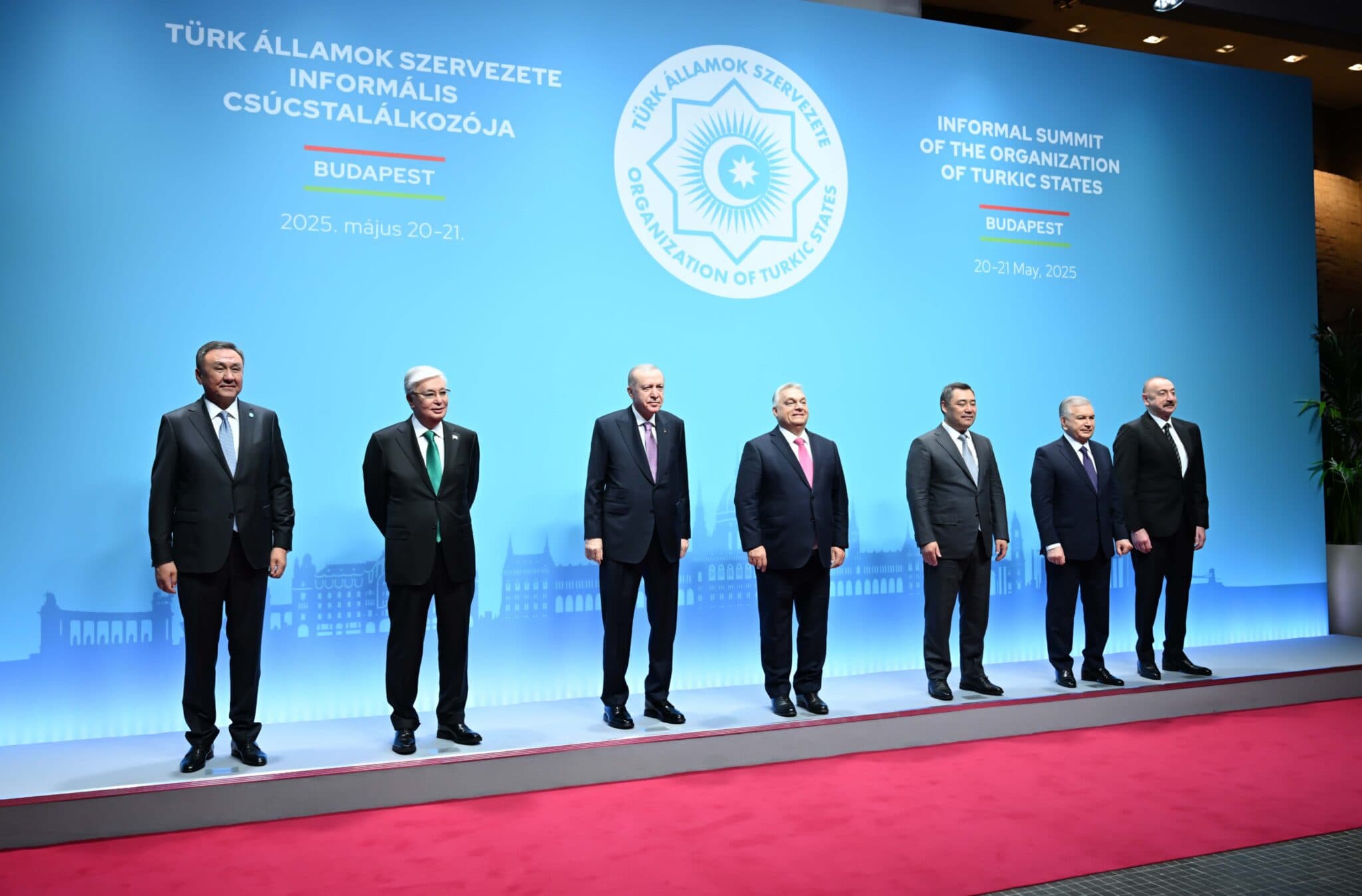
    Among the first engagements awaiting Budapest’s new prime minister is the summit of the Organisation of Turanian Countries, scheduled to take place in Kazakhstan in May. On that occasion, it will become clear whether the great attention paid to this region was a personal initiative of Orbán or a tendency deeply rooted in the Hungarian people, stemming from historical roots that run deep into the tradition of the Huns.

  • Five years in prison for those protesting on behalf of Kazakhs persecuted in China

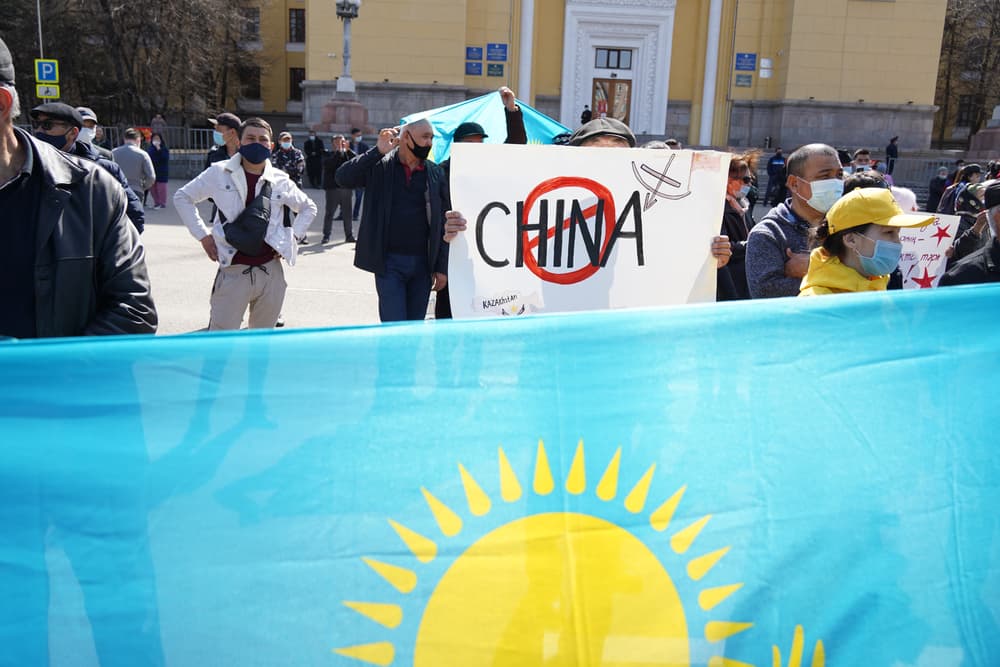
    Sentences for ‘incitement to racial hatred’ have been handed down to 19 activists from the Atažurt movement, which campaigns on behalf of relatives detained alongside Uyghurs in Xinjiang’s ‘re-education camps’. Initially charged with violating protest regulations, the offence was upgraded following a note from the Chinese consulate in Almaty describing the actions as “open provocation”.

  • Russia's "literary rebels”

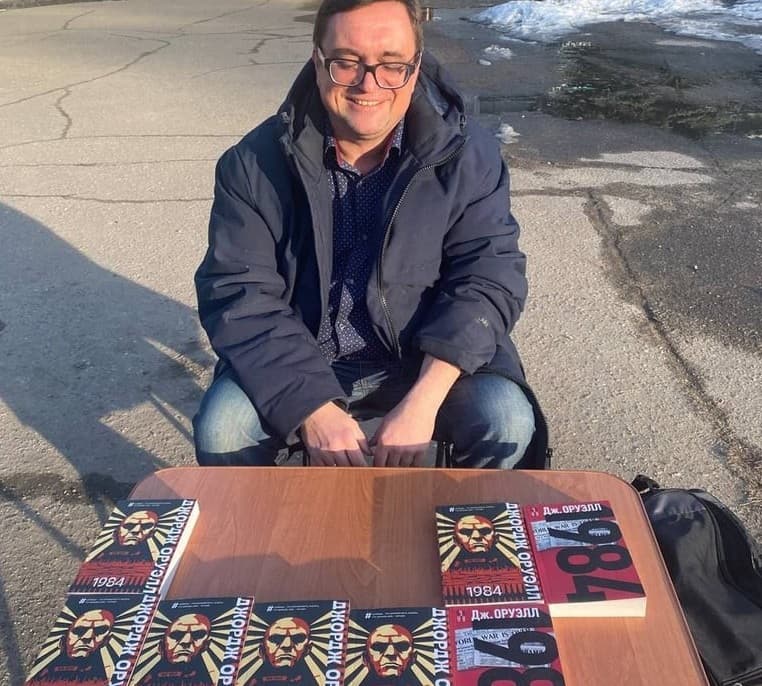
    Faced with the crackdown on Moscow bookshops and publishing houses aimed at removing from circulation novels, essays or even literary classics now deemed “subversive”, some individuals are setting up small private libraries to share their books. People gather and talk about the war, without mentioning Ukraine, but by reading stories that would otherwise be impossible to find anywhere today.

  • Security Threats at the CIS Borders

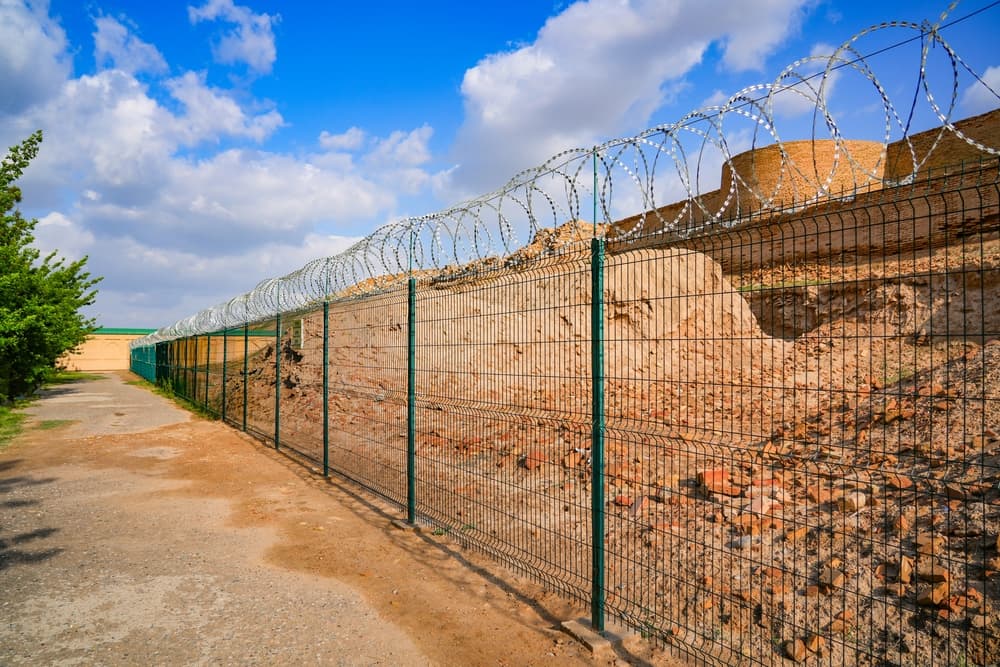
    In Tajikistan, a summit of border agency heads from the Commonwealth of Independent States (CIS) addressed the repercussions of instability in Afghanistan. Cooperation has been strengthened to combat infiltration by terrorist and extremist groups of an Islamic fundamentalist nature.

AsiaNews Weekly
News from Asia that matters

Subscribe to the newsletter to receive verified news, analysis and insights from Asian countries every week.

Subscribeto the newsletter
  • P.I.M.E. Centro Missionario
  • Agenzia Fides
  • P.I.M.E. Brasil
  • Radio Mondo
  • Mondo e Missione
  • P.I.M.E. U.S.A.
  • TV 2000