Articles by the author:

Vladimir Rozanskij

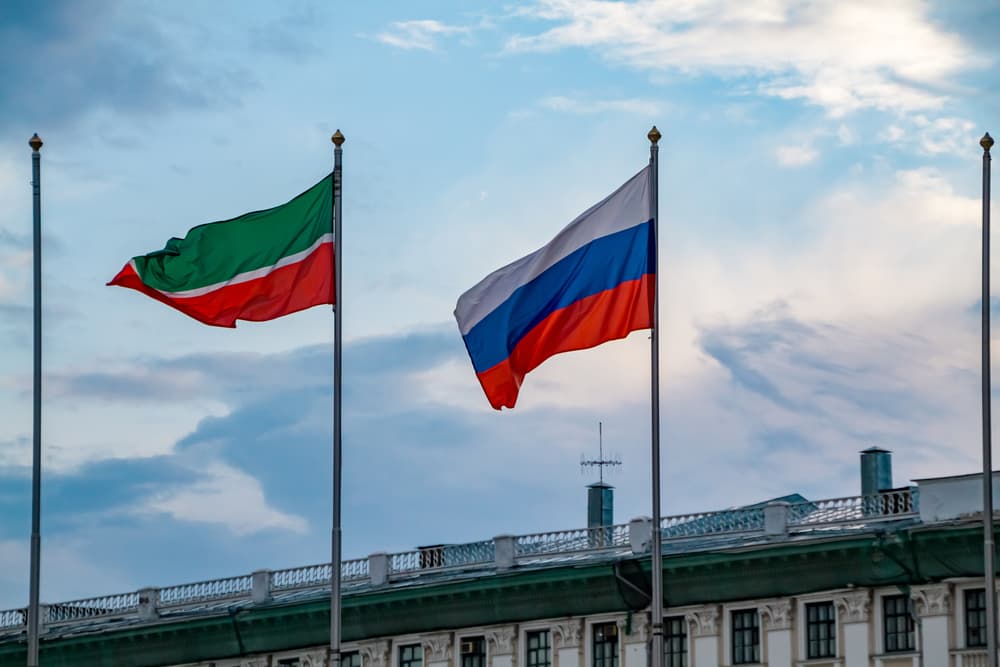
  • The “Tatar lobby” in Russia: between loyalty and autonomy

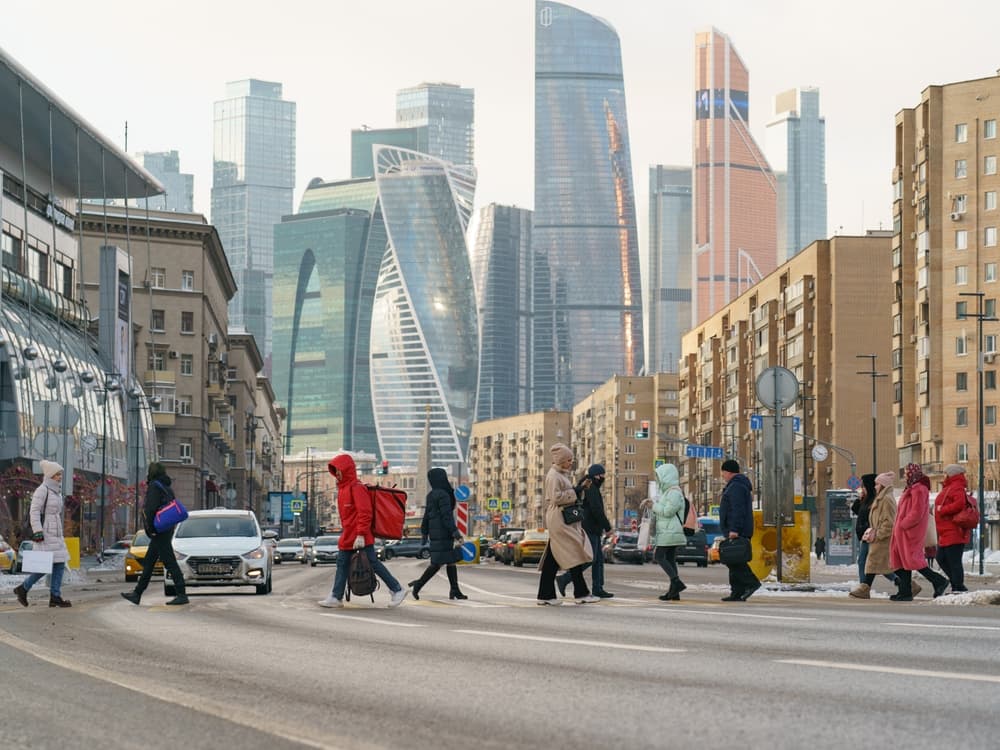
    The Russian republic of Tatarstan in the Urals is historically a region with strong autonomist tendencies, boasting its own highly active lobby group in Moscow. Although it must now contend with Putin’s centralism and has had to make some concessions on the language issue, it has nevertheless retained significant economic advantages which it has no intention of relinquishing.
  • Turkmenistan’s two Presidents

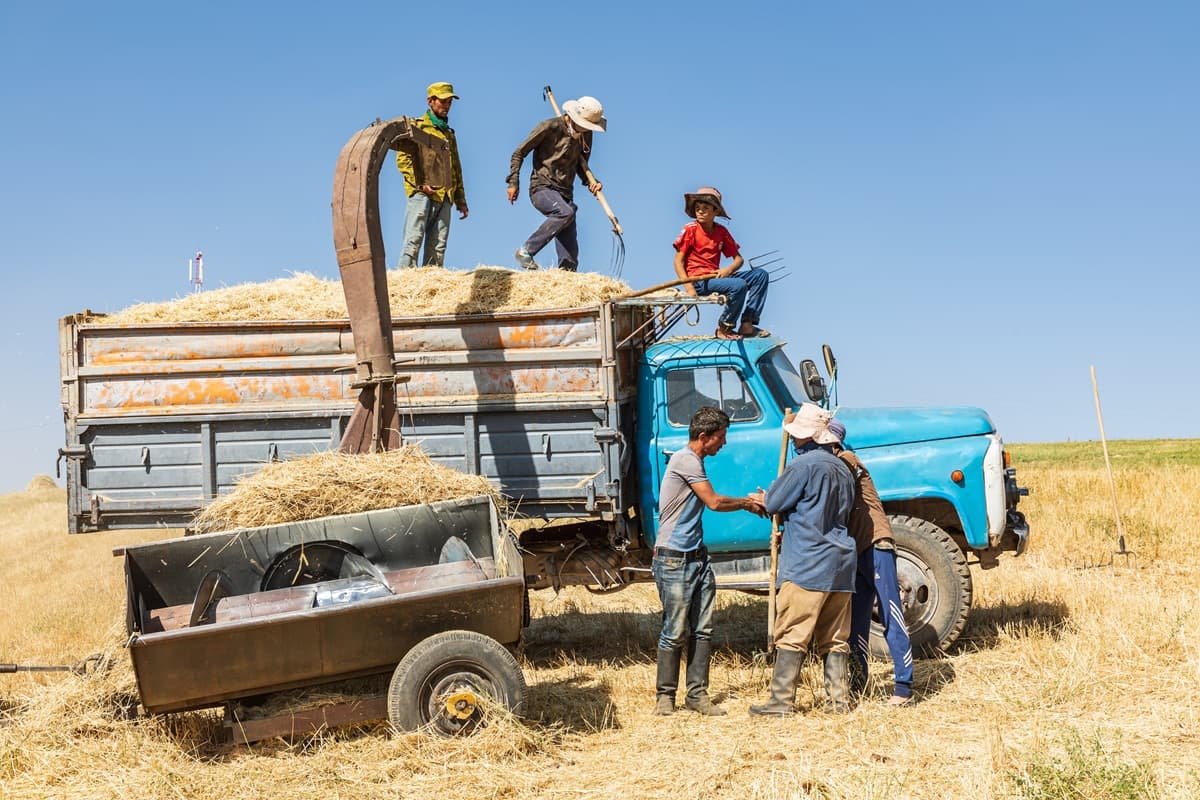
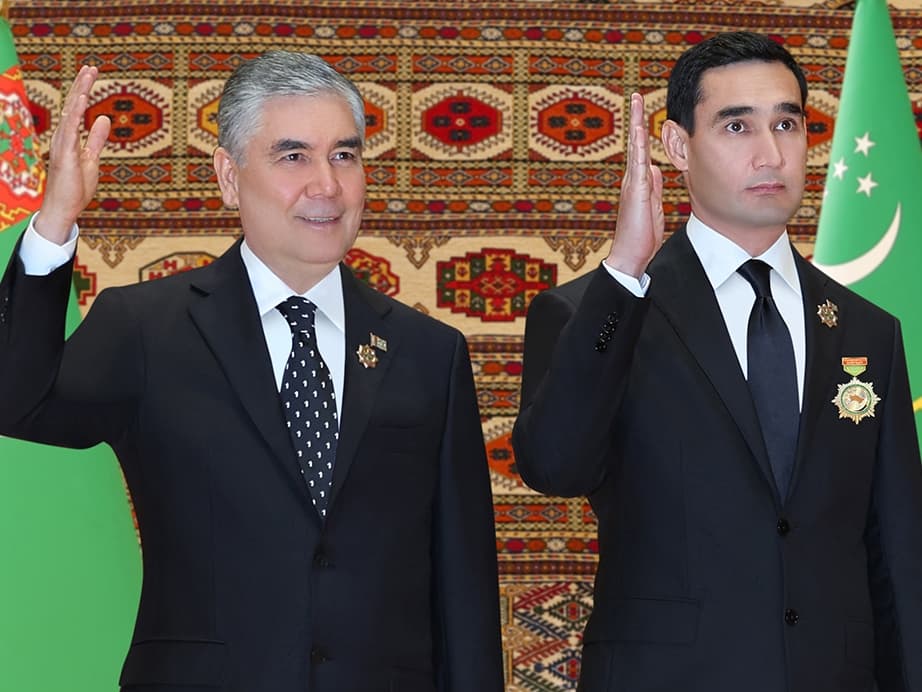
    For four years now, the forty-year-old Serdar Berdymukhamedov has held the office of president in Ashgabat, but his father, Gurbanguly, continues to present himself at every opportunity – both at home and abroad – as the true ‘national leader of the Turkmen people’. The son may well be better prepared than his father in the fields of politics and diplomacy, but he confines himself to chairing government meetings for the benefit of the cameras.

  • The Symbols of Armenian Easter

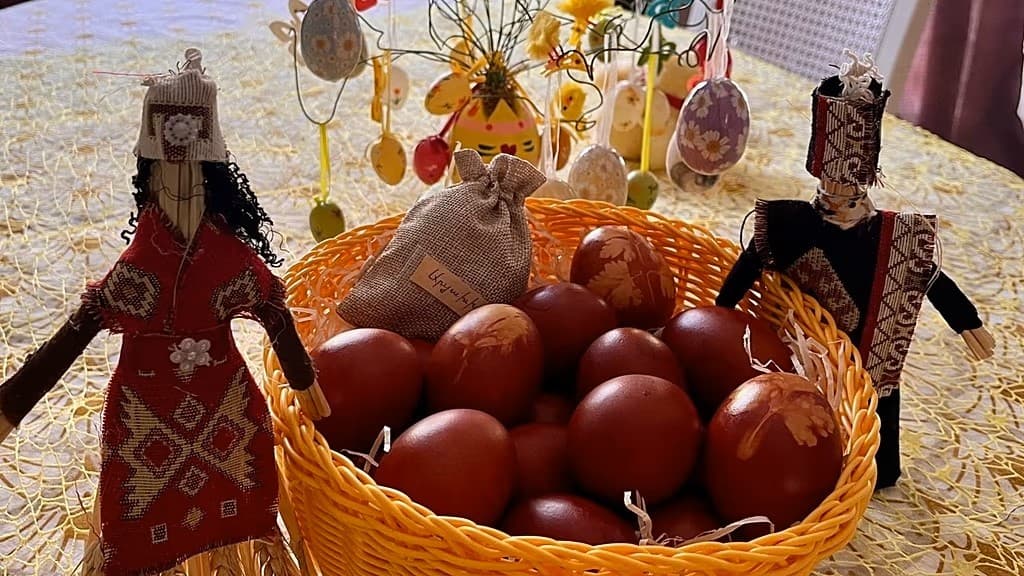
    Like all Eastern Churches, Christians in Armenia are preparing to celebrate the resurrection of Jesus on Sunday 12th, reviving ancient customs such as holding eggs in their hands as they make their way to the Easter Vigil. Among the deeply meaningful rites is the Andastan, with the blessing of the four cardinal points to symbolise the rebuilding of a new world founded on faith and unity.

  • The Georgian Church and the Succession of Ilia II

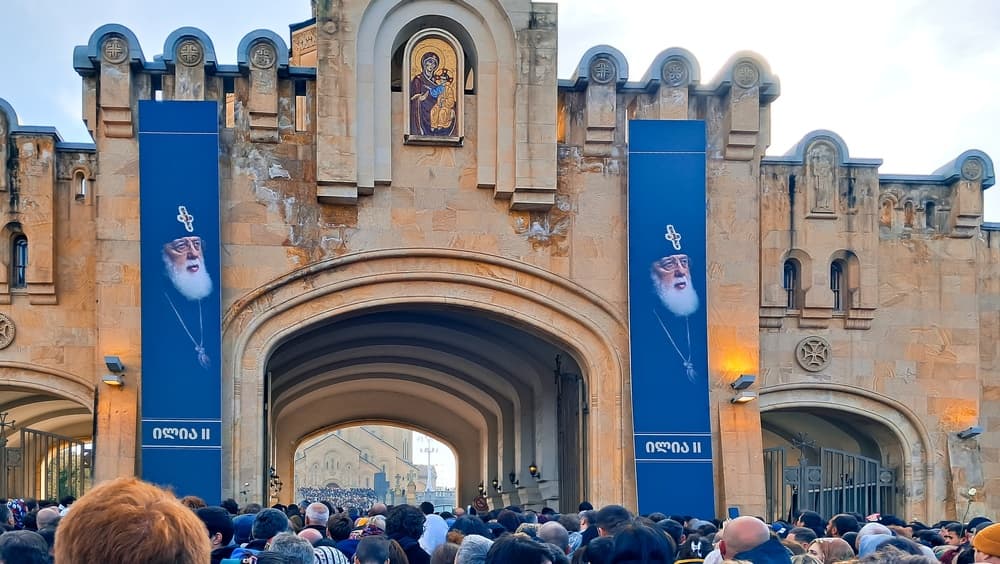
    Synod to identify candidates convened for April 3. Patriarch Bartholomew of Constantinople proposed two names, provoking a furious reaction from the Russians. The Georgian Church was one of the first to adopt a very radical and aggressive stance, withdrawing from the World Council of Churches. Theologian Čapnin: “The real problem is religious nationalism”.

  • Russian Orthodox Christians and the holy Fire of Jerusalem in times of war

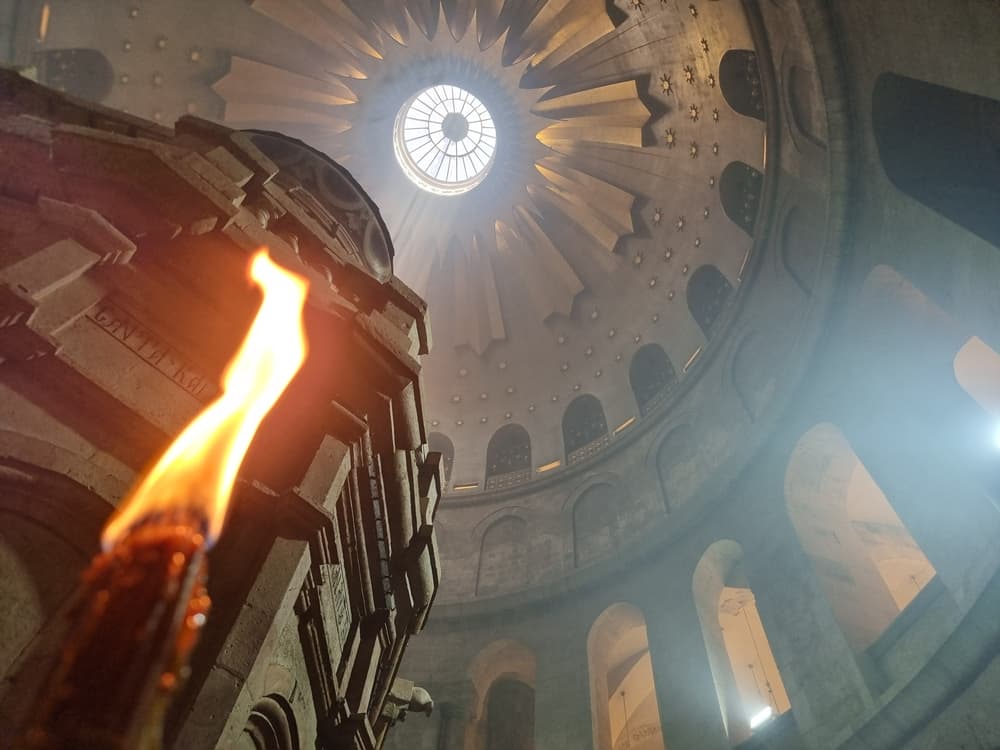
    Following the Holy Week celebrations of the Latin Rite Churches, Saturday the 11th will mark the lighting of the Paschal flame, which Orthodox Churches spread throughout the world from the Holy Sepulchre. There is tension over the restrictions imposed on places of worship by the Israeli government. A situation viewed with apocalyptic tones even in Moscow, where in recent years this rite has become central to asserting its primacy.

  • Tajik Nowruz and Islam a mix of folklore and religion

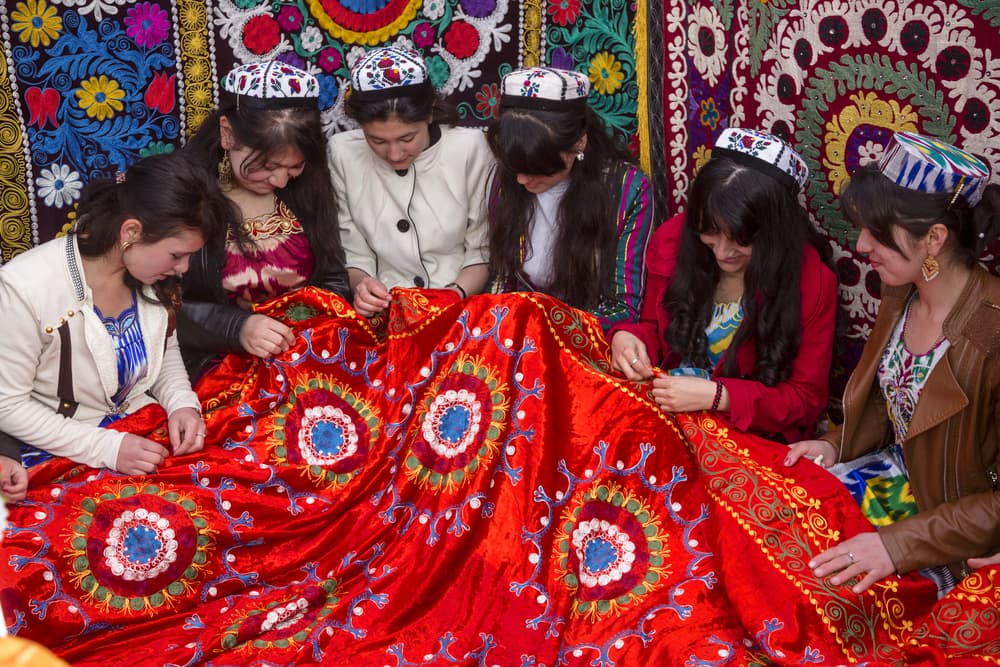
    The fact that it coincided with the end of Ramadan provided an opportunity this year to reflect on the national festival as a “bridge between different eras”, linking back to the origins of the Iranian-Turanian civilisation. In the face of hostility from Salafi preachers who regard it as a pagan ritual, Dushanbe recalls that the Arab caliphs themselves rediscovered the value of local traditions.

  • Russia’s interests in Hungary

    For the first time, in the upcoming elections on 12 April, Viktor Orbán appears at risk of defeat by his opponent, Peter Magyar. This is drawing particular attention from Moscow, which has so far regarded him as its main ally amongst the countries of the European Union. And Putin has tasked his most trusted adviser with closely monitoring this election.

  • Kyrgyzstan’s bid to tap into the halal industry

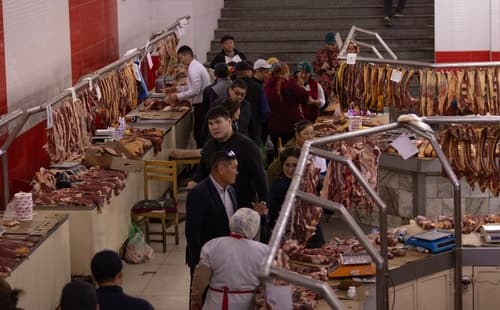
    Bishkek is stepping up its efforts to gain a foothold in the global market for products certified according to Islamic religious standards. To make the whole process more accessible to businesses, a dedicated portal has been launched for applying for certification, whilst a QR code displayed on products allows consumers to access specific information.

  • Censorship becomes a business weapon in Russia

    Russia’s “foreign agents” register currently contains over 1,200 individuals and more than 1,500 projects, organisations and titles of various initiatives. Some have managed to have their names removed by striking deals with the authorities to save their businesses and reputations. But there are also those who find themselves on the list without even knowing why.

  • New regulations on Georgian wine

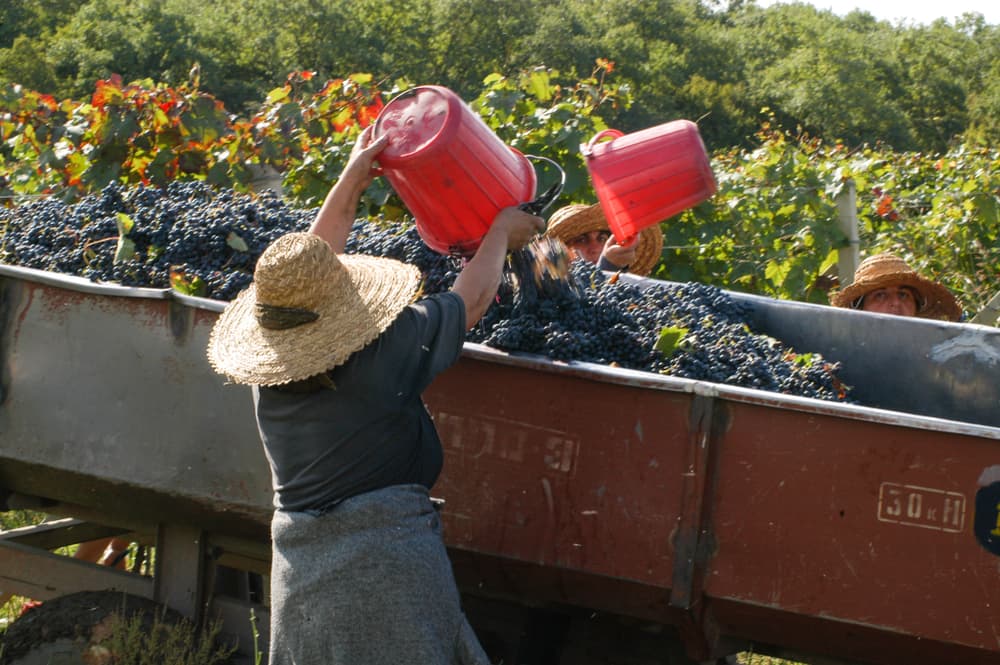
    A new law on local viticulture – the finest in the former Soviet states – is about to come into force in Tbilisi. A step towards meeting European quality standards and preventing the spread of viruses among crops. But small farmers fear that the introduction of a licensing system will encourage the formation of a closed circle amongst the major producers.

AsiaNews Weekly
News from Asia that matters

Subscribe to the newsletter to receive verified news, analysis and insights from Asian countries every week.

Subscribeto the newsletter
  • P.I.M.E. Centro Missionario
  • Agenzia Fides
  • P.I.M.E. Brasil
  • Radio Mondo
  • Mondo e Missione
  • P.I.M.E. U.S.A.
  • TV 2000