Articles by the author:

Vladimir Rozanskij

  • Moscow’s nightmare: Internet blackout

    Since 8 March, the Russian capital has also been hit by mobile network blocks “for security reasons”, causing serious disruption in a metropolis that, until recently, presented itself as a digital capital. There are also glitches in the “whitelists” of apps promoted by the regulatory bodies. And there are neighbourhoods where even home Wi-Fi is not working.
  • Filaret, the man at the heart of the schism between Ukrainian and Russian Orthodox Christians, has died

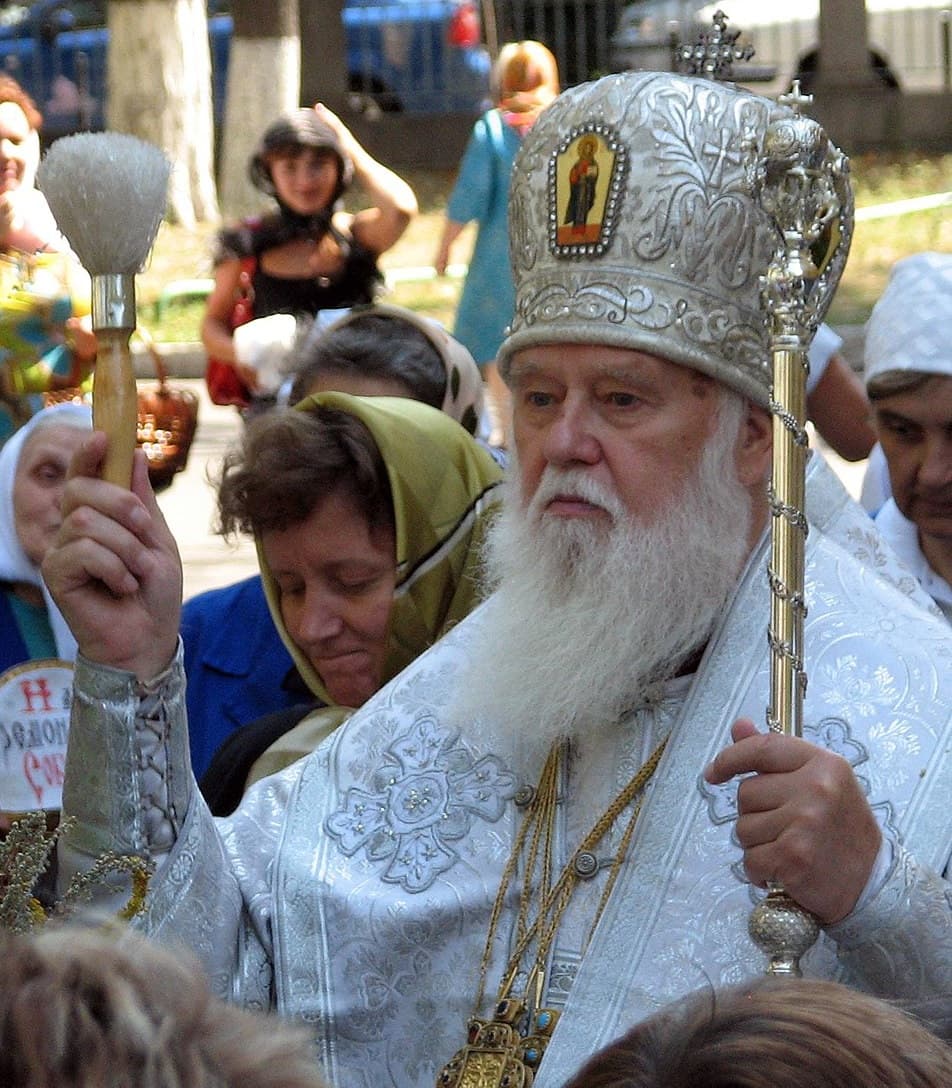
    The Patriarch Emeritus of Kiev has passed away at the age of 98. He had long been described as “the most Soviet of the metropolitans”, but in 1990 he was bypassed by Alexy in Moscow following the death of Pimen. In 1992, he was the first to break communion with the Russians, taking a large part of the clergy with him. Until, during the turbulent negotiations under President Poroshenko, it was Kirill who rejected an agreement, thinking (wrongly) that he could render it irrelevant in Ukraine.

  • Kazakhstan's future post referendum

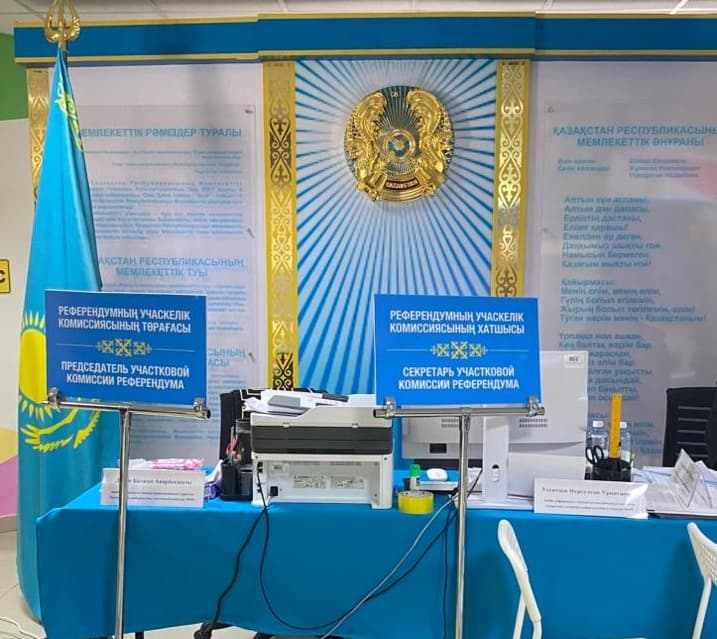
    President Tokayev secured the endorsement he sought with the usual “Soviet-style” vote margins. He now faces the challenge of truly making Astana a model for the region, with a political system capable of balancing the strength of the state with popular consent. The first test will be the parliamentary elections scheduled for this summer.

  • Mammut virus hits Russia’s patriotic messaging app

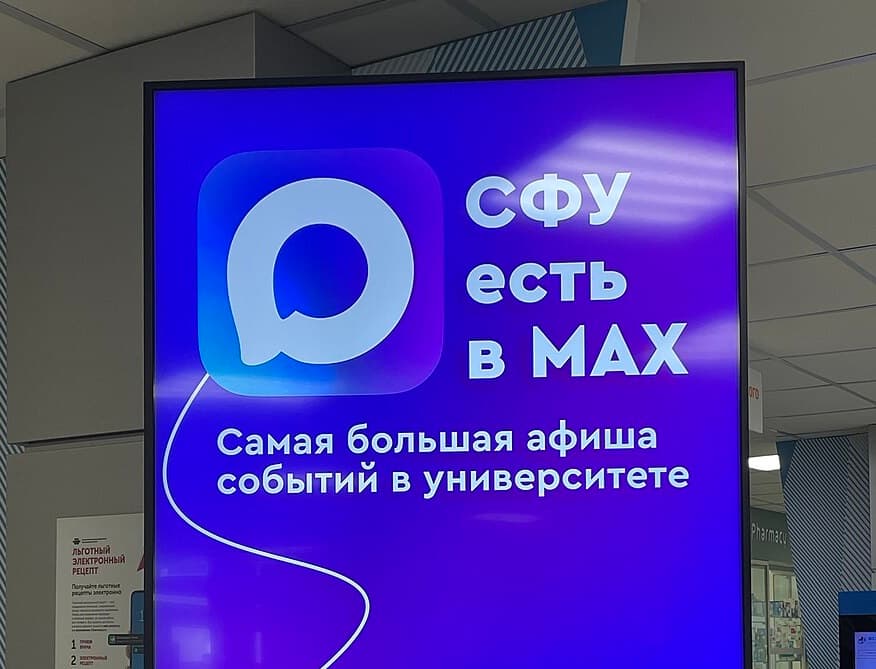
    Even on Max – the messaging system imposed by the Moscow authorities as a ‘secure’ alternative to Western apps – a virus is circulating that steals users’ payment details. According to official figures, there are 100 million user profiles registered on the patriotic chat app, which is mandatory for dealing with public administration. However, knowing that conversations are monitored, many Russians use it on a separate phone.

  • The uncertain future of released Belarusians

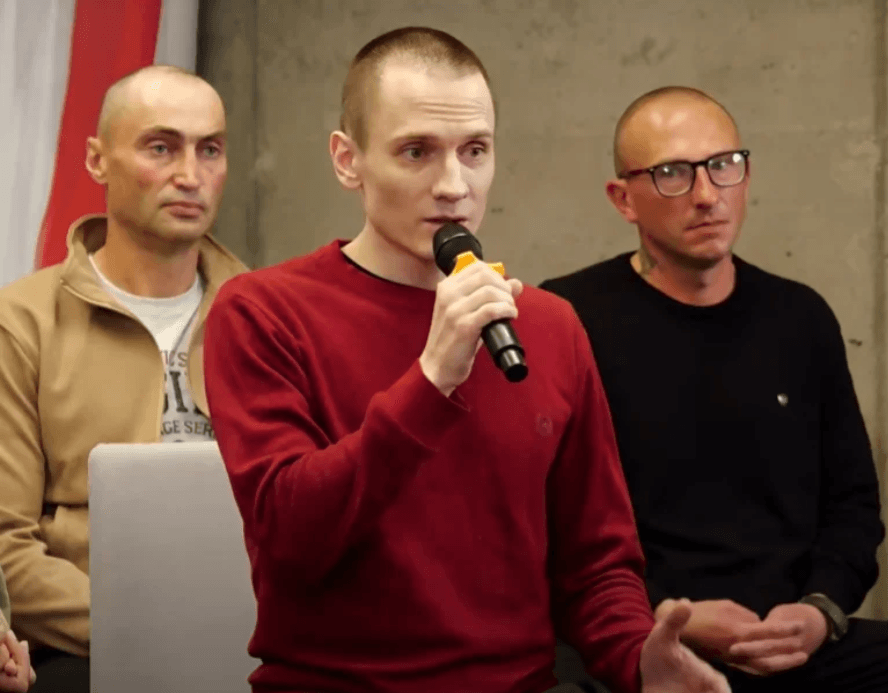
    Many of the political prisoners released from prison and expelled from the country at the end of 2025 have not yet had their passports returned by the authorities in Minsk. They remain in a legal limbo, still holding Belarusian citizenship but unable to obtain new documents. Their complaint: “Lukashenko’s gesture was merely for show”.

  • The war in Iran as seen from Dushanbe

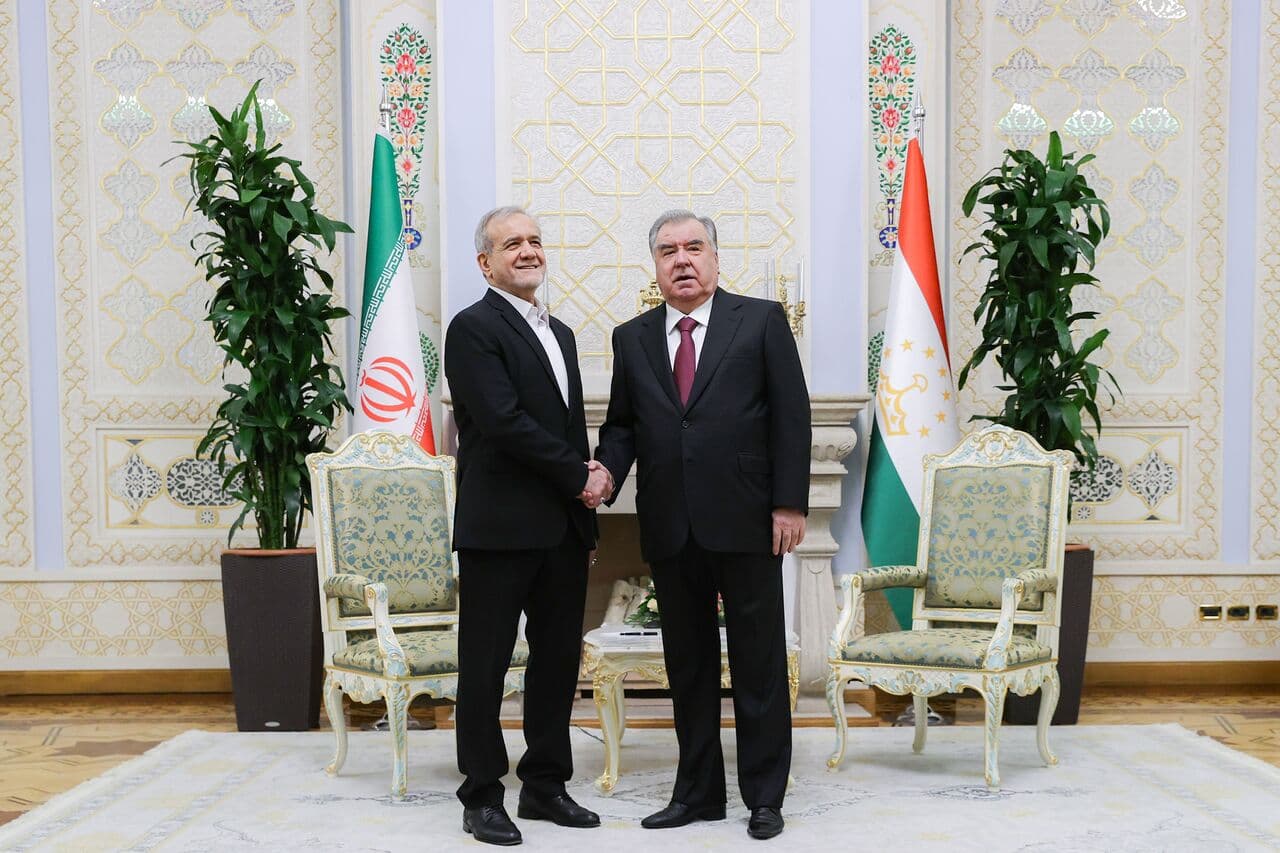
    Tajikistan, a country with close ties to Tehran due to shared ethnic origins, views the conflict in the Middle East with concern. Local experts believe it will not be resolved by bombs and missiles, but will drag on for a long time on the ground.

  • The challenging frontiers of contemporary Russian art

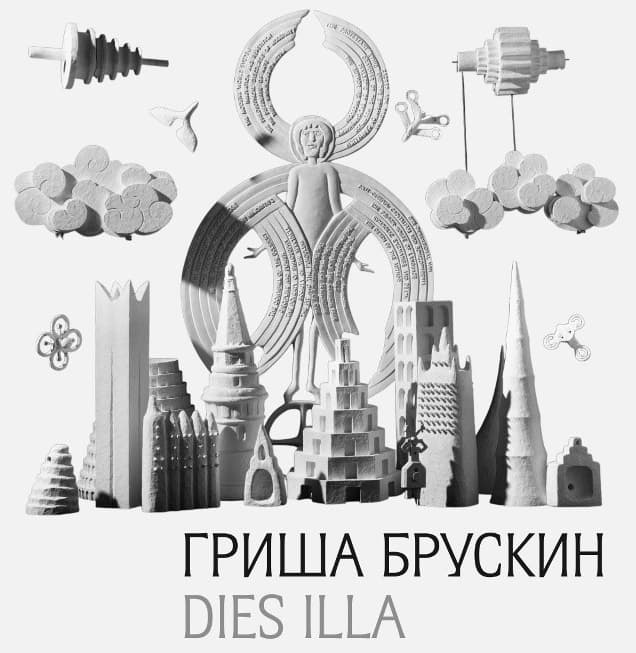
    Whilst the Russian pavilion at the Venice Biennale is causing controversy, there are also works in Russia striving to move beyond propaganda in their reflection on current affairs. This is illustrated by the story behind the exhibition *Dies Illa*, opened by Griša Bruskin at the *Zilart* Museum of Contemporary Art in Moscow.

  • The champions of freedom in Tajikistan

    In a country where women still face deeply rooted patriarchal traditions, we hear the stories of a singer who mixes languages to convey a message of peace and freedom, a lawyer at the forefront of defending human rights, and a poet who denounces the “spiritual void” of a society that publicly glorifies men in power.

  • The revolution at the top in Kyrgyzstan

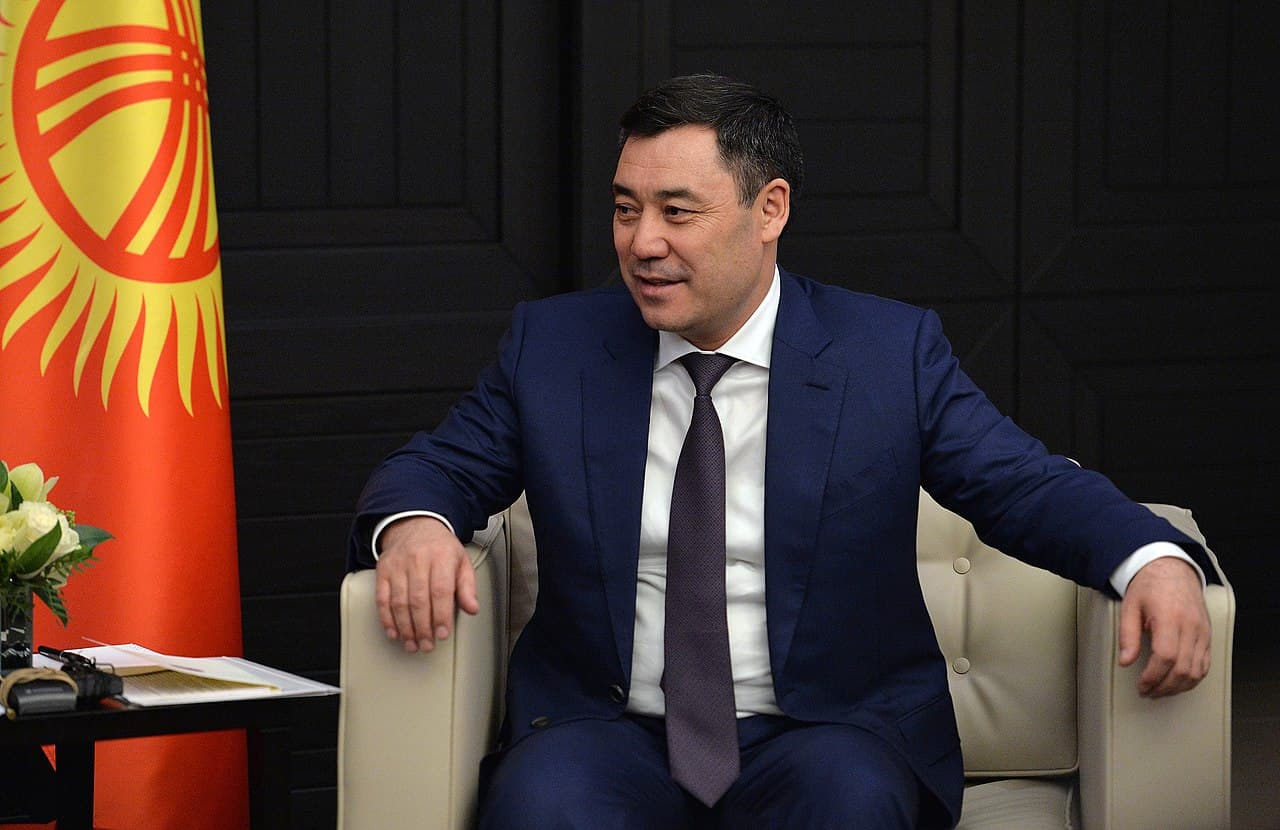
    After removing his closest aide and head of security services, Tašiev, from office, President Žaparov is continuing with dismissals and arrests against a network of senior officials, ministers, MPs and even mayors suspected of plotting yet another coup in Bishkek. A great waltz to ensure ‘stability’.

  • New Russian icons featuring war “heroes”

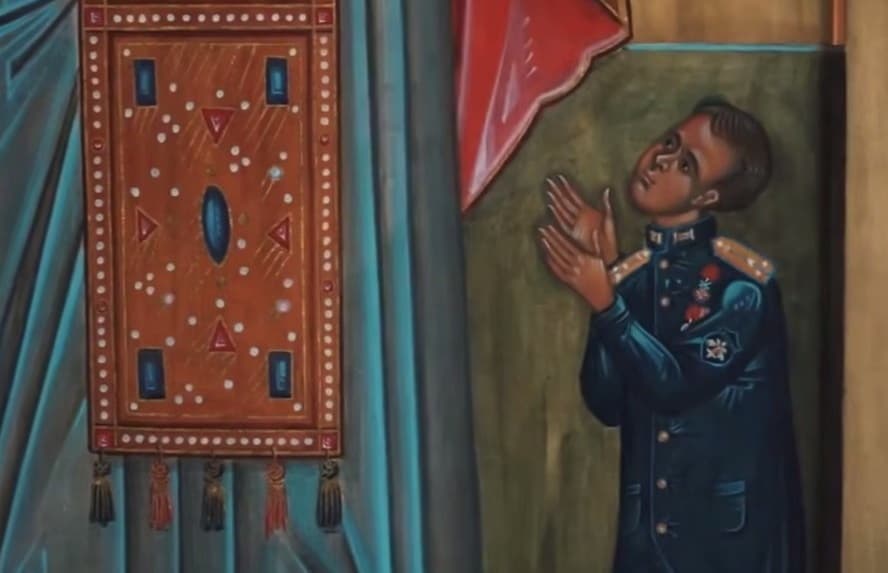
    In the north-western region of Pskov, the governor is sanctifying the “special military operation” with two icons commissioned for a historic cathedral, depicting two local soldiers who died in Ukraine at the feet of great Orthodox patrons. The iconographers justify themselves by saying that by not depicting them as saints, “the dogmatic canons are respected”. Former patriarchate spokesman Chapnin: “They look like images from Stalin's metro”.

  • The advantages for Moscow's economy of the conflict in Iran

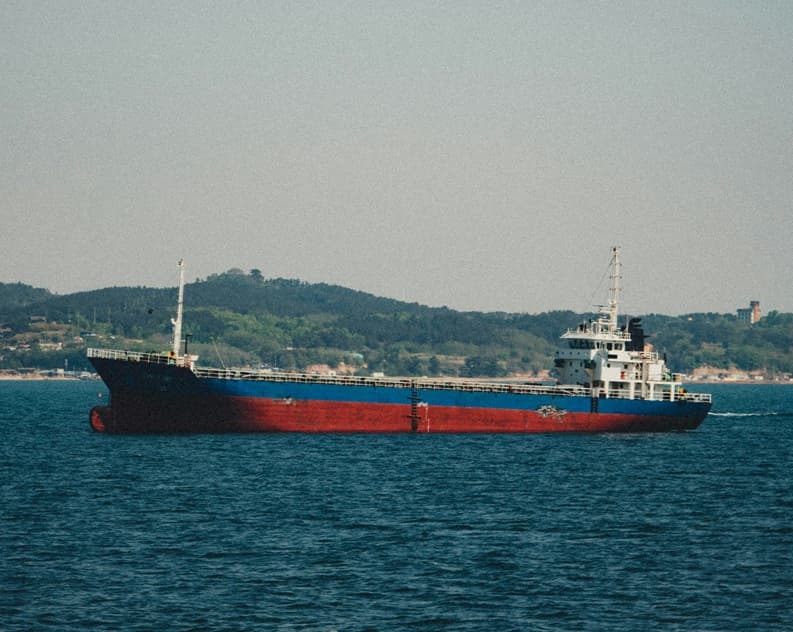
    Back in the 1970s, it was the oil crisis that paved the way for cooperation between Europe and the Soviet Union. With the closure of the Strait of Hormuz, Russia can now reduce discounts on the price of its crude oil. Although Brussels, at least for the moment, does not seem willing to ease restrictions on gas imports.

AsiaNews Weekly
News from Asia that matters

Subscribe to the newsletter to receive verified news, analysis and insights from Asian countries every week.

Subscribeto the newsletter
  • P.I.M.E. Centro Missionario
  • Agenzia Fides
  • P.I.M.E. Brasil
  • Radio Mondo
  • Mondo e Missione
  • P.I.M.E. U.S.A.
  • TV 2000