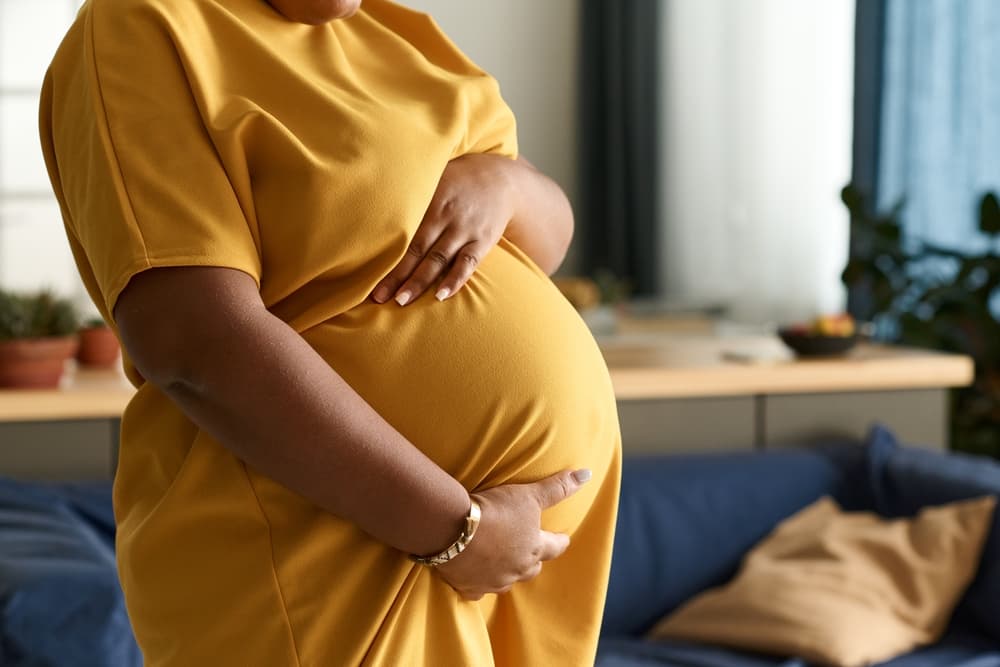
Tbilisi (AsiaNews) – In recent years, Georgia has become a sort of nerve centre for surrogacy in the post-Soviet space. Childless couples from China, Arab countries and other regions are flocking there for the children that surrogate mothers, including those from Central Asia, are willing to carry. Assisted reproduction agencies promise foreigners help with childbirth when their hopes of parenthood have all but vanished, displaying adverts featuring smiling adults holding babies in their arms.
On the other side of this business, lives are often ruined: surrogate mothers suffer health problems, lose their benefits and are left to face their problems alone. Kavkaz.Realii has sought to investigate these circumstances in depth. Following Russia’s invasion of Ukraine, Georgia has become a ‘Mecca’ for surrogacy for foreigners; Moscow had previously tightened its laws, banning citizens of other countries from using assisted reproduction techniques, and Ukrainian clinics lost their foreign clients with the outbreak of the war. Georgia has filled this gap: the country has been experiencing a boom in commercial surrogacy since 2022. Whilst around 300 children were born via surrogacy in 2021, by 2023 the figure had almost quadrupled, reaching 1,172.
In March 2026, 36-year-old Diana flew from Kazakhstan to Tbilisi with her youngest son, aged four; she underwent medical tests, the results of which were normal, and at the end of the month she underwent an embryo transfer. At 18 weeks, the Kazakh woman suddenly felt unwell: “I couldn’t breathe”, she had to undergo two operations, and whilst awaiting the third, “my left kidney suddenly seized up again – I couldn’t breathe properly”, Diana recalls of that day. She eventually underwent surgery; a stent was inserted, and she was discharged from hospital the following day, leaving her without medical supervision.
Less than a month after the operation, her temperature rose. The thermometer read 41 degrees, and she was back in hospital for further tests; the doctors said that the stent needed to be removed and two more inserted – one in her left kidney and one in her right – so that her kidneys would not stop working and could return to functioning normally.
Diana underwent another emergency operation, but a few days later, her condition worsened; After two weeks of further treatment and operations, Bayotala – the company that had provided care throughout Diana’s pregnancy and had previously covered all her medical expenses – finally issued a warning stating that she would have to cover 50 per cent of the cost of the operations out of her own pocket and, if she could not afford it, the amount would be deducted from her future salary. Under the agreement, the Kazakh woman will receive $16,000 for carrying a child for a Chinese couple; the medical procedures cost almost half that amount.
The founder of Bayotala is Jin Xiaye, a Canadian citizen of Chinese origin, who introduces himself to surrogate mothers as “Mike”. According to Diana, during their conversations Mike asked her to accept the proposed terms and to cover 50 per cent of the medical costs for the surgical procedures. From this conversation, Diana realised that the intended parents, with whom she had no direct contact, were unaware of the deterioration in the surrogate mother’s health. They had not been informed about the stent insertion, the heart attack or the surgical procedures under general anaesthesia; otherwise, they would never have accepted the baby. There are many stories like Diana’s, as well as instances of blatant fraud targeting women drawn into this market. In recent years, the media have increasingly reported cases of surrogate mothers in Georgia suffering violations of their rights, restrictions on their freedom of movement outside their rented flats and clinics, exploitation and deception.
Kazakhstan, regarded as a leader in Central Asia in the use of modern reproductive technologies, has banned foreign nationals and stateless persons from accessing surrogacy from 2026. In Kyrgyzstan, the procedure is currently permitted for foreigners, but a bill has been tabled in parliament to restrict it. In Tajikistan, Turkmenistan and Uzbekistan, issues relating to surrogacy are not fully regulated by law, and many women seek to access this source of income, often ending up in dramatic and complex situations, at the expense of their dignity.