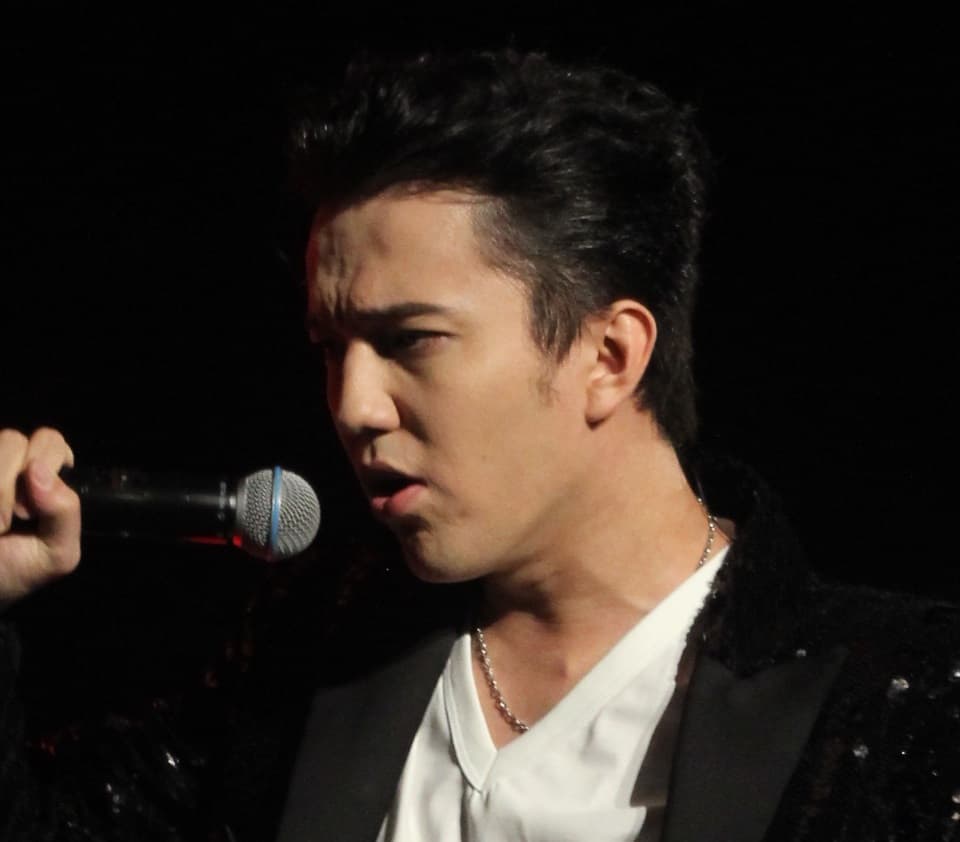
Astana (AsiaNews) – When we talk about soft power, we usually think of strategy, image and national branding; in reality, it is an even simpler process, as Ilja Astakhov explains on Orda.kz. It can also involve someone in Mexico buying a ticket for Dimaš’s concert in New York, or trying kazi fillet for the first time in London and realising that Kazakhstan is much more than oil, steppes and Borat stereotypes.
For far too long, Kazakhstan has been viewed through the lens of ‘post-Soviet space’ stereotypes, or as a source of raw materials, a land caught between Russia and China, the home of Borat memes and horse-eaters. Kazakhs are now learning to convey their message in a different way – not just through official forums, diplomatic receptions and major agreements, but also through music, film, food, tourism, sport, traditions and the people themselves. In some places, this happens naturally; in others, the government and businesses lend a hand; and in others still, it all depends on fans, restaurateurs, film-makers, tour guides and musicians.
According to the Global Soft Power Index 2026, Kazakhstan ranked 82nd out of 193 countries, climbing five places compared with the previous year. It is not yet on a par with South Korea, Japan or Italy, which have taken decades to turn their culture into an export commodity, but progress is being made. Music has perhaps become the fastest channel for Kazakhstan’s soft power: it requires no visas, simultaneous translation or lengthy explanations.
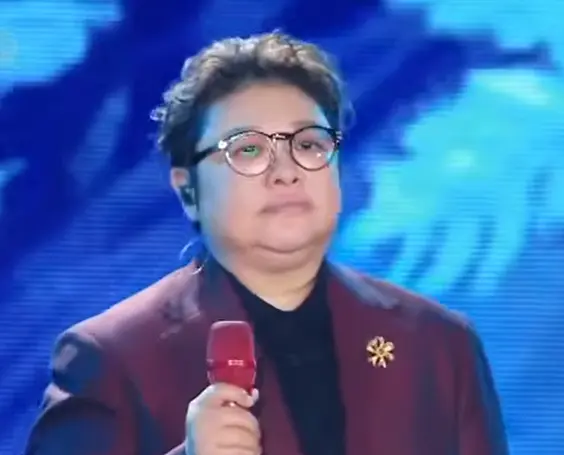
Dimaš Kudajbergen is the most striking example: following his appearance on the Chinese programme Singer in 2017, he became an international phenomenon: a vast vocal range, songs in several languages, fans all over the world and concerts in numerous countries.
One important detail: he is not just ‘a singer from Kazakhstan’; he frequently uses the Kazakh language, the dombra, national motifs and visual elements of Kazakh culture. This means that millions of people first hear his voice and only then start searching for information about the country on Google. It is an almost perfect formula for soft power: emotion first, interest second.
Yenlik Kurarbek deserves a special mention. This is a case where national music and identity are not associated with the usual folkloric clichés of the dombra in decline, but are promoted through contemporary music. Before embarking on a singing career, she worked as an English teacher at the rural school where she had studied, but ultimately chose music.
Yenlik performs R&B, hip-hop and alternative pop, but it is not just about musical genres. The key point is that she sings, and she does so in Kazakh, without the folkloric motifs and yurts that are sometimes trotted out in every performance. The Times of Central Asia noted that the Kazakh language in her music does not function as an ethnographic insert, but as a contemporary form of self-expression.
Kazakhstan has also seen significant growth in the tourism sector: according to government figures, the number of domestic tourists reached 10.5 million in 2024, whilst the number of foreign visitors exceeded 15 million. These statistics include not only traditional tourism, but also business travel and other cross-border movements.
The New York Times included Almaty in its list of 52 places to visit in 2024, and Lonely Planet featured Kazakhstan in its Best in Travel 2025 selection. For a country that, until recently, many foreigners confused with ‘a place near Russia’, this is a truly significant change; the world is increasingly recognising a country not by stereotypes, but by its music, its films, its travel experiences and its people. And this, perhaps, is the most compelling result of any soft power.