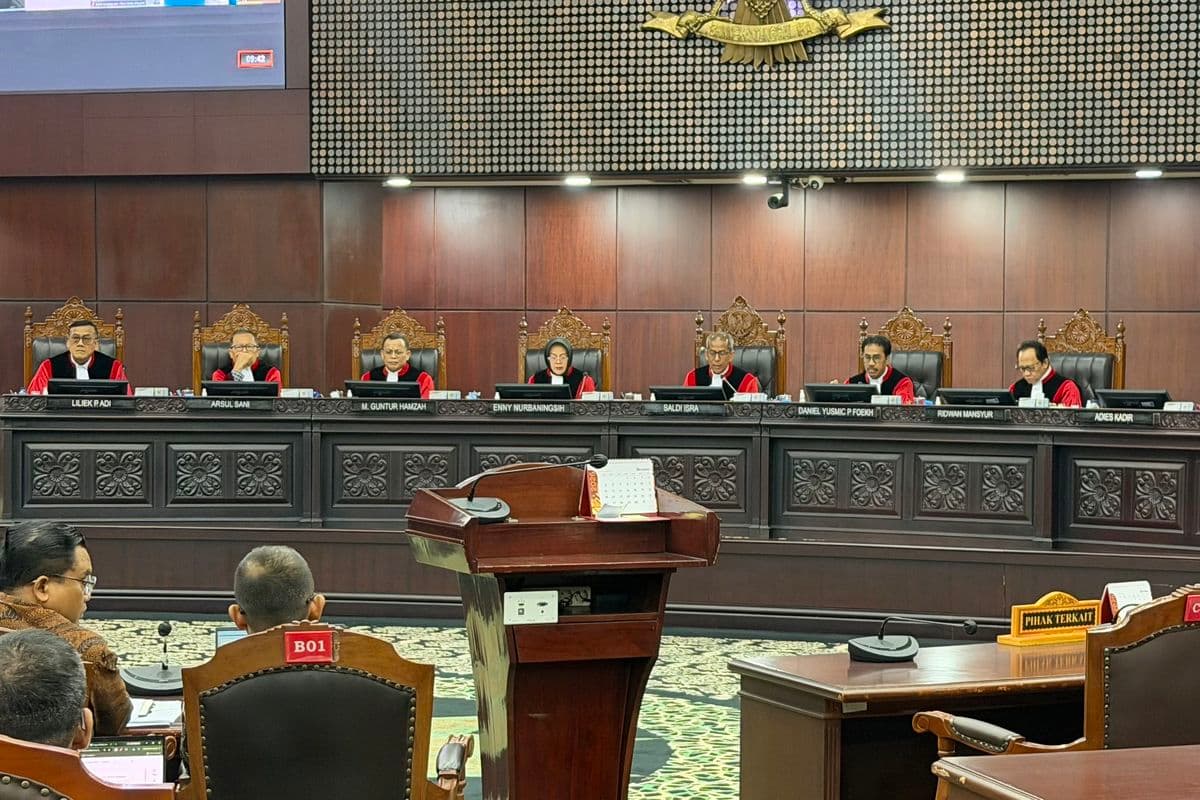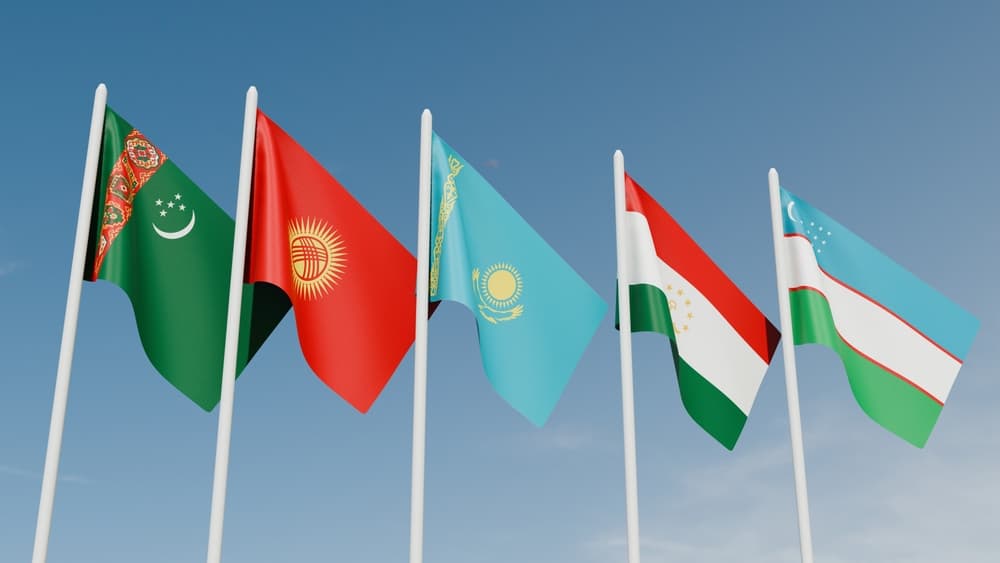
Milan (AsiaNews) – According to political scientist Šukrat Tadžiev writing in Kolonka, the countries of Central Asia do not need to create supranational institutions to act together. In an article published following a meeting of political experts in Cadenabbia, on the shores of Lake Como, he reflects on how joint projects and people-to-people ties are transforming the region. At the meeting organised by the Konrad Adenauer Foundation’s Regional Programme for Central Asia – which once had a residence here – discussions centred on security, foreign policy, water and climate, transport, the economy and regional identity. Participants included experts, parliamentarians and academics from Uzbekistan, Kyrgyzstan and Tajikistan.
Tadžiev says he had the feeling that “the perception of Central Asia is gradually changing”. Until recently, it was easier to view the region from the outside, through the lens of trade routes, borders and the interests of the great powers, whereas now more and more people wish to look from within: what unites these peoples, what they can achieve together and what future they envisage. Whilst in previous years the region’s primary objective was, at the very least, to avoid conflict, today there is an ever-increasing need to find effective forms of cooperation.
The combined GDP of the five Central Asian countries has reached around 520 billion dollars, having grown by almost 2.5 times over the last eight years. Trade between them has reached nearly 11 billion dollars, and mutual investment has increased 5.6-fold. These figures demonstrate a trend whereby regional connectivity is beginning to create economic value; therefore, it is no longer sufficient for Central Asia to be merely a transport hub. It is important not only to process goods, but also to produce them; not only to transport raw materials, but also to create added value; not only to attract capital, but also to develop technological and financial expertise. During the meeting, discussions centred on the development of unified legal standards to protect the common economic space from the pressures of sanctions, and in this regard the five countries can offer one another what each may sometimes lack individually.
The Central Asian states are increasingly taking responsibility for resolving their own regional problems, and the discussions do not concern only military or political security: water is linked to energy, transport is linked to the infrastructure of neighbouring countries, and climate and environmental issues know no borders. Cyber threats are even more so. As the political scientist emphasises, “if a challenge becomes regional, responsibility for resolving it must gradually become regional”. The trilateral border agreement and the Khudžand Declaration are indicative of this, and even Kyrgyzstan’s accession to the UN Security Council was seen by those attending the meeting as more than just a national diplomatic move: it is also a shared responsibility and an indicator of the region’s growing role.
These reflections are increasingly coming to the fore amongst people of a generation no longer so influenced by old stereotypes, and who will gradually have to take responsibility for what the region will become in the coming years.
Another sensitive issue, yet one of great importance for the future of Central Asia, is the reinterpretation of our shared history: every state has its own heroes, its own dates, its own events and its own painful chapters, but a regional identity is impossible without an attempt to look at the past beyond its current borders. As discussed during the meeting, scholars from the five countries should collaborate to write a genuine ‘history of Central Asia’ – not to create yet another ‘correct’ version of the past, but to see in it not only the differences but also what unites us, says Tadžiev.
The main question is no longer which centre of power Central Asia will align itself with, but to what extent it will succeed in moving from the multifaceted nature of its states towards autonomy and regional action, whilst continuing to integrate with the outside world, yet becoming a region strong and connected enough to open up to it on favourable and equitable terms.