Seoul (AsiaNews) – Ukraine’s decision to make public the transfer of two North Korean soldiers captured by the Ukrainian army triggered a controversy with South Korea over the weekend with potential negative repercussions.
South Korea called on Ukraine to provide an explanation and an official apology in what is an unusual diplomatic spat that risks worsening relations between the two countries.
South Korean authorities claim that the transfer was supposed to be confidential, something their Ukrainian counterpart deny.
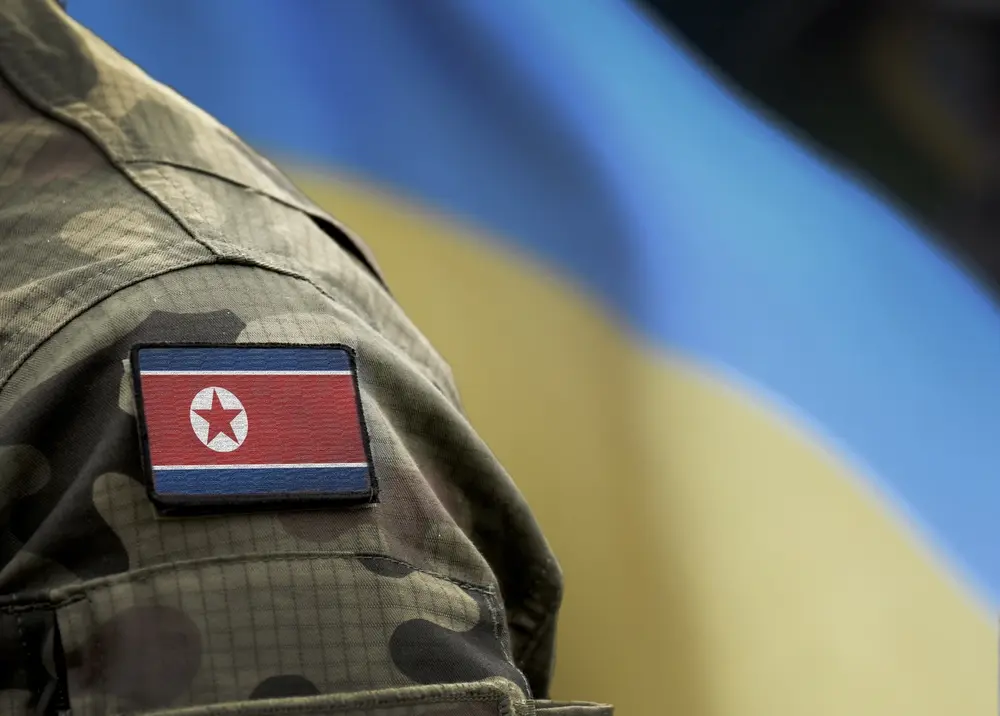
The soldiers were captured in January 2025 while fighting alongside the Russian army in the Kursk region, and had asked to go to South Korea. The participation of North Korean troops in the war stems from on a cooperation deal agreed by Russian President Vladimir Putin and North Korea leader Kim Jong-un.
The row between the two governments intensified today, as each provided conflicting versions on an agreement to keep the operation confidential.
Tensions were sparked yesterday, when South Korea requested an official explanation and apologies from Ukraine, four days after the Ukrainian president Volodymyr Zelenskyy spoke at the United Nations.
At the UN General Assembly in New York, the Ukrainian leader unexpectedly announced that his country had "recently" sent two North Korean prisoners of war to South Korea, about 20 months after their capture in Russia's Kursk region. The two were among thousands of North Korean troops sent to support Russia in its war against Ukraine since 2024.
The two North Korean POWs had expressed a desire to go to South Korea rather than be repatriated to the North.
The conflicting versions emerged in the aftermath of Zelenskyy's speech, when Lee expressed his disappointment at the disclosure of the news on social media.
“I don't know the circumstances,” he wrote on X (formerly Twitter, “but it is very disappointing”.
The South Korean president added that the two countries had agreed not to make the transfer public, since the issue could have significant implications for diplomacy, security and the situation on the Korean Peninsula.
On September 24, a senior South Korean presidential official said that Kyiv had informed Seoul in advance that Zelenskyy was likely to mention the prisoners in his speech, without specifying how he would address the issue.
The disagreement escalated the next day when Dmytro Lytvyn, a Ukrainian presidential advisor, denied the existence of any confidentiality agreement.
Those statements directly contradicted Lee's story, turning the controversy over the unexpected disclosure into a broader dispute over what the two governments agreed to during months of consultations regarding POWs.
In response to the Ukrainian side's denial, Seong Ghi-hong, a senior presidential public relations official, called Ukraine's claim “false”, arguing that it “seriously undermines trust between the two governments.”
“We express strong regret over the unilateral disclosure in violation of the agreement,” Seong said. “We demand an official explanation and apology and are considering further necessary measures,” he added.
Repercussions with the North
The dispute is particularly sensitive for Lee and his administration, who have adopted a cautious approach towards the North in an attempt to restart a dialogue with Pyongyang long frozen by Kim Jong-un's regime.
Seoul's decision to keep the POW transfer confidential may also reflect fears that the case could complicate efforts to revive talks between the United States and North Korea, a process the Lee administration has sought to encourage.
“Seoul appeared to have handled the case cautiously given the possibility of a backlash from Pyongyang,” said Shim Sang-min, a senior research fellow at the Asian Institute for Policy Studies.
The diplomatic dispute has proven divisive in South Korea as well. The opposition conservative People Power Party (PPP) has accused the administration of worrying more about Pyongyang's reaction than informing public opinion.
“Was it really so afraid of upsetting [North Korean leader] Kim Jong-un?” PPP floor leader Jeong Jeom-sig wrote on Facebook, questioning why the government had been determined to keep the transfer secret.
“If we cannot even independently disclose the repatriation of prisoners because we are watching North Korea’s reaction, then this is not a country,” noted PPP lawmaker Ahn Cheol-soo making a similar argument.
Lee responded to criticism by arguing that it would be irresponsible to disclose a sensitive political issue, to the detriment of people's lives and national security.
The ruling Democratic Party of Korea also defended the government’s handling of the matter, underlining the need to maintain confidentiality to protect the two soldiers and urging the opposition not to turn the case into a political battle.