North Asia

Featured article

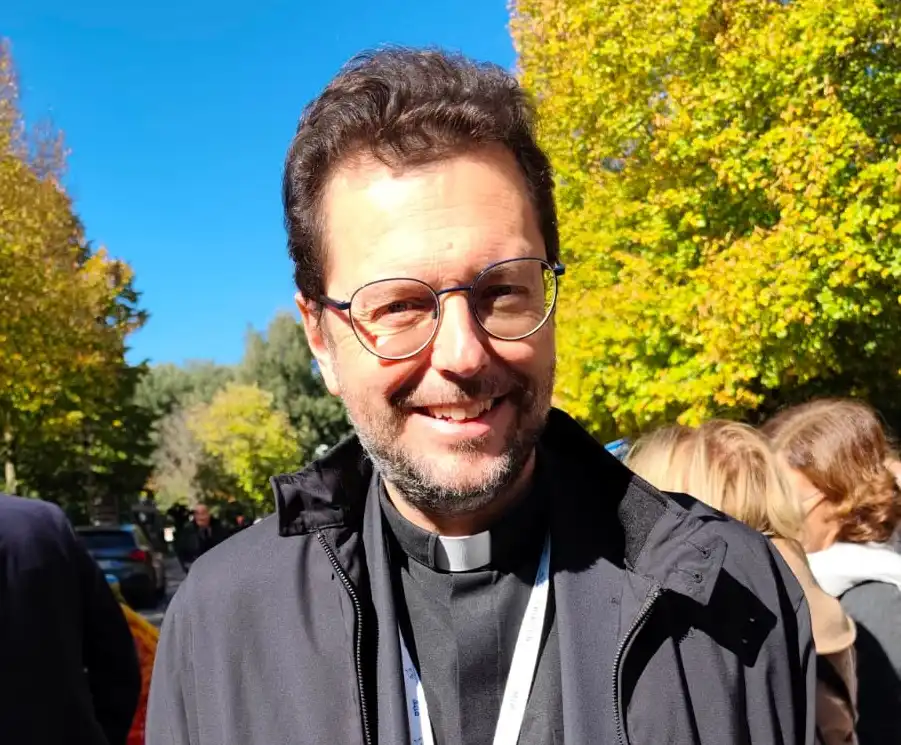
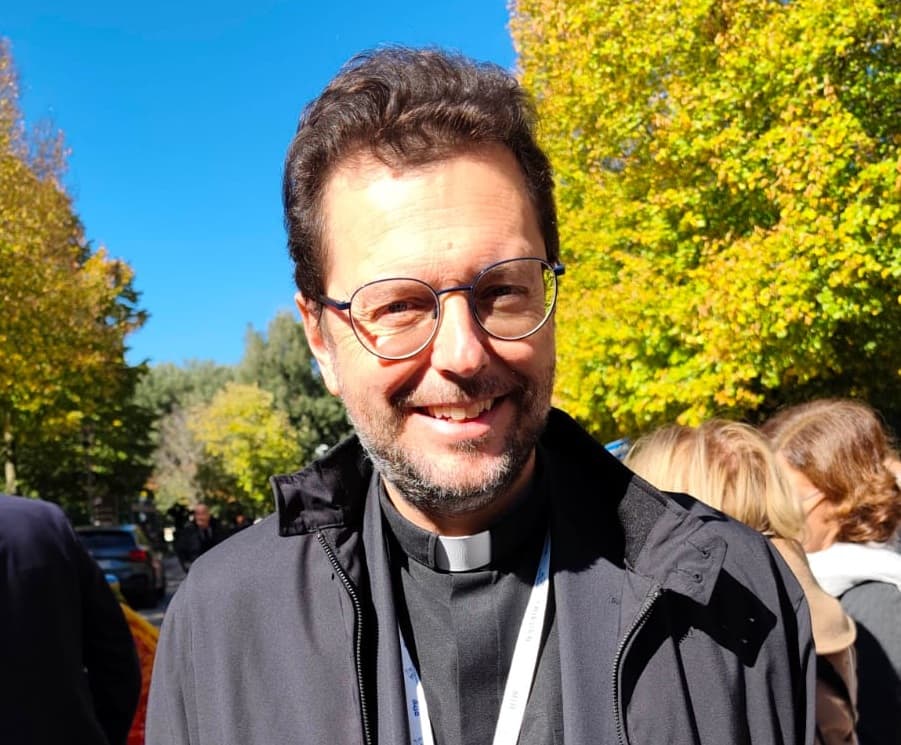
From Mongolia to Assisi: Marengo and the Buddhist abbot

The Cardinal Apostolic Vicar of Ulan Bator shared the experience of his small Church, which “whispers the Gospel” into the hearts of the other peoples of the steppe. The Centre for the Study of Mongolian Culture has opened in the cathedral. “Pope Francis’s visit fostered a sense of goodwill from which we continue to benefit.”


  • Lack of welcome and poor integration: Russians fleeing Crimea

    Around one million people moved there after the 2014 annexation from the northern regions, as well as Moscow and St Petersburg. Over time, difficulties in adapting have emerged, and many have decided to return. The cost of property and the lack of infrastructure, combined with the ‘Crimean mentality’, weigh heavily. Of the 10 Russians who have arrived in recent years, only two on average stay.

  • Boris Kagarlitsky and the dissent of Russia's last Marxist

    The 68-year-old Russian sociologist is one of Putin's most prominent political prisoners, but he was already one in Brezhnev's USSR. From prison, he says he feels freer to express his opinions. He is serving a five-year sentence for ‘justifying terrorism’ in reference to his criticism of the war. His health is deteriorating in prison.

  • A New East, from Central Asia to Jerusalem in reboot of “Abraham Accords"

    Baku is one of the first candidates to form a decisive link in this new chain. US interest in the post-Soviet region has increased since Russia's invasion of Ukraine. Washington wants to forge an anti-Chinese axis stretching from Israel to India. An economic, political and even military alliance to counterbalance the anti-Western axis of Moscow and Beijing.

  • Kremlin sociologist warns Russia at risk of civil war

    In an article, the head of the presidential administration for monitoring and analysing social processes condemns those who theorise about ‘a completely post-Russian state’. He announces the imminent approval of a new law on patriotic education, which will involve all organs of power, educational institutions and other social structures of the state.

  • Russian identity between patriotism and religion

    Believing in Russia does not automatically mean believing in God and religious dogmas, belonging to the Orthodox Church does not necessarily mean attending liturgical celebrations, and supporting “traditional values” does not automatically translate into accepting the dictates of the catechism.

  • The Russian Orthodox outpost in Norway

    In 2017, the parish priest of the Svjato-Onežskij cathedral on the Russian Arctic coast began negotiations with the Norwegian mayor of Vardø to build a Russian Orthodox chapel on the fishing island. But when the plans included an imposing 17-metre-high building in the middle of NATO's large radar installations, the city council refused to grant permission despite generous Russian offers of subsidies.

  • Moscow Patriarchate's battle against neo-paganism

    Faced with the resurgence of the so-called rodnovery, or “native believers”, Kirill formed a special commission led by Russian-French Archbishop Savva, the rising star of his team, to counter this new challenge. But according to Professor Šiženskij, one of Russia's leading religious scholars, the only real answer is missionary work that goes beyond ideological assessments.

  • The utopia of uniting "minor peoples" with the Russian "father"

    In a divided and conflict-ridden world, universal unity is Moscow's new religion. It relies on destabilisation, propaganda, and the financing of "friendly" elites and oligarchs loyal to Moscow, along with the Churches as tools of power. After Ukraine, Kazakhstan is the country most at risk, with the longest land border and the largest Russian diaspora. The US, the EU, and international partners will have to strengthen economic and diplomatic relations with the territories targeted by Moscow.

  • The Oil Crisis Between Moscow and Astana

    ​U.S. sanctions against the oil giant Lukoil are expected to have repercussions in Central Asia as well. The Russian company has announced plans to sell its foreign assets — a major issue for a country like Kazakhstan, which exports 80% of its oil through Russian infrastructure but cannot afford to lose access to Western banking systems.

  • Desertification causes crop failure in southern Russia

    The effects of climate change are leading to a drastic decline in cereal production this year, a crucial sector for the Russian economy. In the Rostov region, 17.5% of the territory has now become desertified. But in the crackdown on any voice of dissent, even environmentalists fighting to protect wooded areas are being targeted.

  • Russia's War and Punishment in Ukraine

    In his new book, writer Mikhail Zygar retraces the last thirty years of the Soviet Union through a gallery of characters, helping us to understand Moscow's present based on the idea that no dictatorship is eternal and that the future always offers a chance for change.

AsiaNews Weekly
News from Asia that matters

Subscribe to the newsletter to receive verified news, analysis and insights from Asian countries every week.

Subscribeto the newsletter
  • P.I.M.E. Centro Missionario
  • Agenzia Fides
  • P.I.M.E. Brasil
  • Radio Mondo
  • Mondo e Missione
  • P.I.M.E. U.S.A.
  • TV 2000





