The clash over reforms and Ukraine’s future
What will happen to Kyiv’s economy when the war ceases to be the main obstacle, whilst its consequences – labour shortages, destroyed infrastructure, the need for capital and security risks – remain?

What will happen to Kyiv’s economy when the war ceases to be the main obstacle, whilst its consequences – labour shortages, destroyed infrastructure, the need for capital and security risks – remain?
Since 8 March, the Russian capital has also been hit by mobile network blocks “for security reasons”, causing serious disruption in a metropolis that, until recently, presented itself as a digital capital. There are also glitches in the “whitelists” of apps promoted by the regulatory bodies. And there are neighbourhoods where even home Wi-Fi is not working.
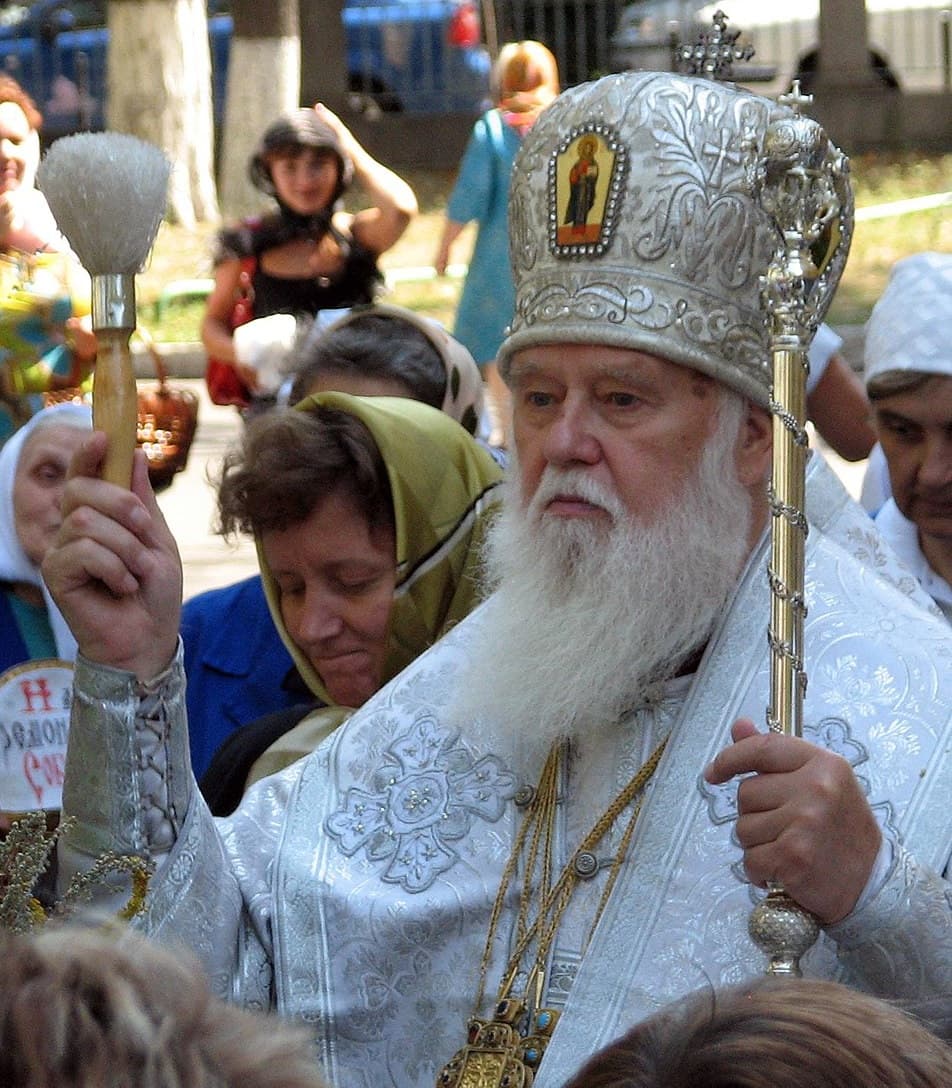
The Patriarch Emeritus of Kiev has passed away at the age of 98. He had long been described as “the most Soviet of the metropolitans”, but in 1990 he was bypassed by Alexy in Moscow following the death of Pimen. In 1992, he was the first to break communion with the Russians, taking a large part of the clergy with him. Until, during the turbulent negotiations under President Poroshenko, it was Kirill who rejected an agreement, thinking (wrongly) that he could render it irrelevant in Ukraine.
The death of the patriarch who had led the Georgian Orthodox Church since 1977 and the fiftieth anniversary of the episcopal consecration of the patriarch of Moscow: two stories celebrated in the ‘Russian world’ as ‘heroism of faith resisting heresy’. Yet they also reveal the continuity between present-day Russia and the Stalinist era.
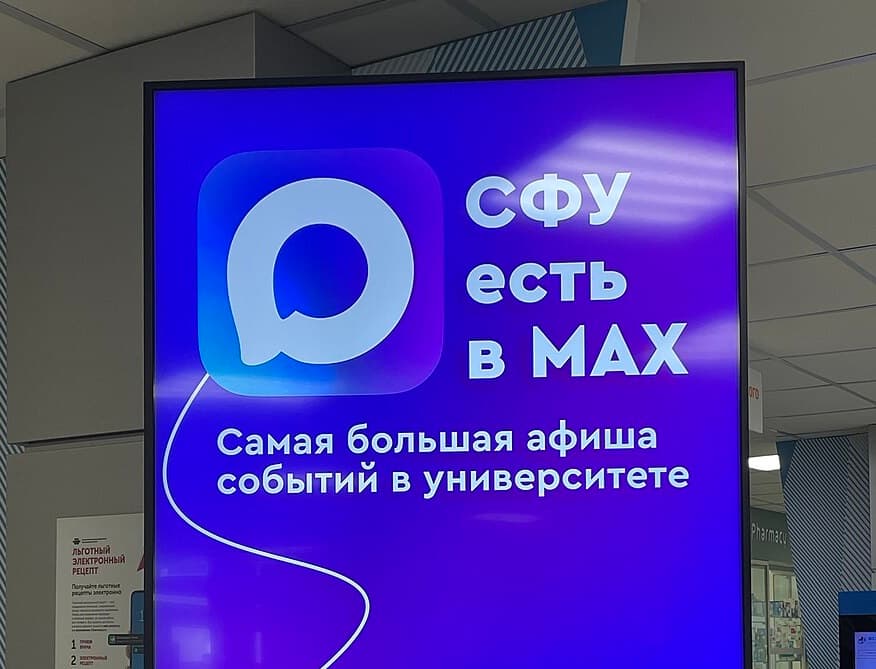
Even on Max – the messaging system imposed by the Moscow authorities as a ‘secure’ alternative to Western apps – a virus is circulating that steals users’ payment details. According to official figures, there are 100 million user profiles registered on the patriotic chat app, which is mandatory for dealing with public administration. However, knowing that conversations are monitored, many Russians use it on a separate phone.
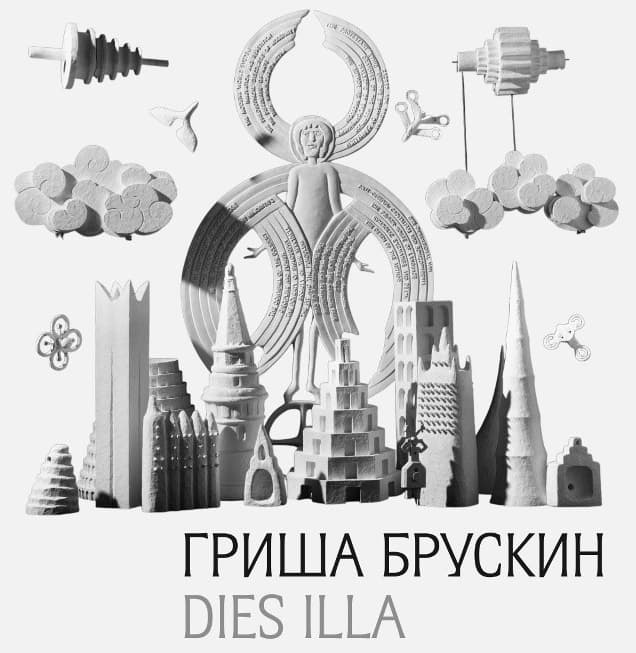
Whilst the Russian pavilion at the Venice Biennale is causing controversy, there are also works in Russia striving to move beyond propaganda in their reflection on current affairs. This is illustrated by the story behind the exhibition *Dies Illa*, opened by Griša Bruskin at the *Zilart* Museum of Contemporary Art in Moscow.
Since 1991 and the Chechen Wars, Russian policy has been an unconditional continuation of what was essentially left unfinished in the 19th century: a form of territorial colonialism (unlike Western maritime colonialism) that continued with the war in Georgia (2008-2011) and the war in Ukraine (since 2014), using the same methods.
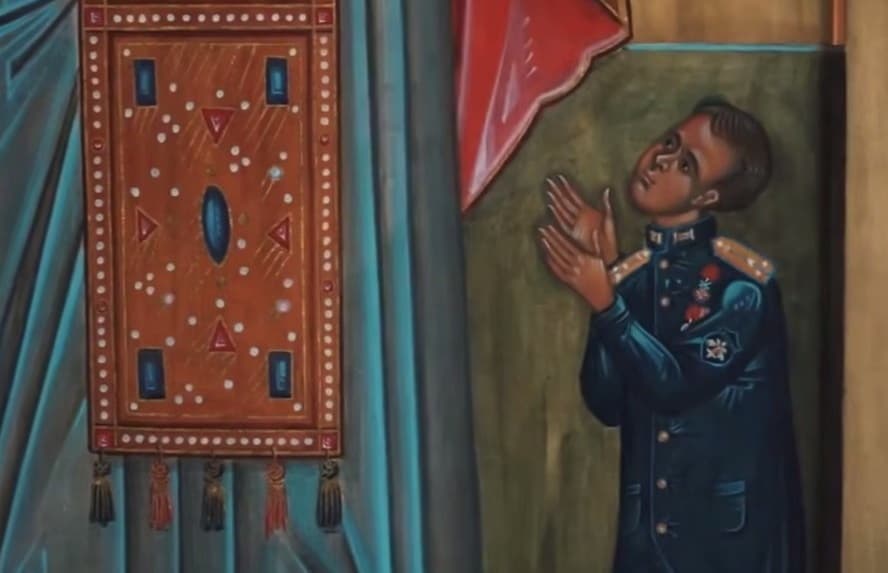
In the north-western region of Pskov, the governor is sanctifying the “special military operation” with two icons commissioned for a historic cathedral, depicting two local soldiers who died in Ukraine at the feet of great Orthodox patrons. The iconographers justify themselves by saying that by not depicting them as saints, “the dogmatic canons are respected”. Former patriarchate spokesman Chapnin: “They look like images from Stalin's metro”.
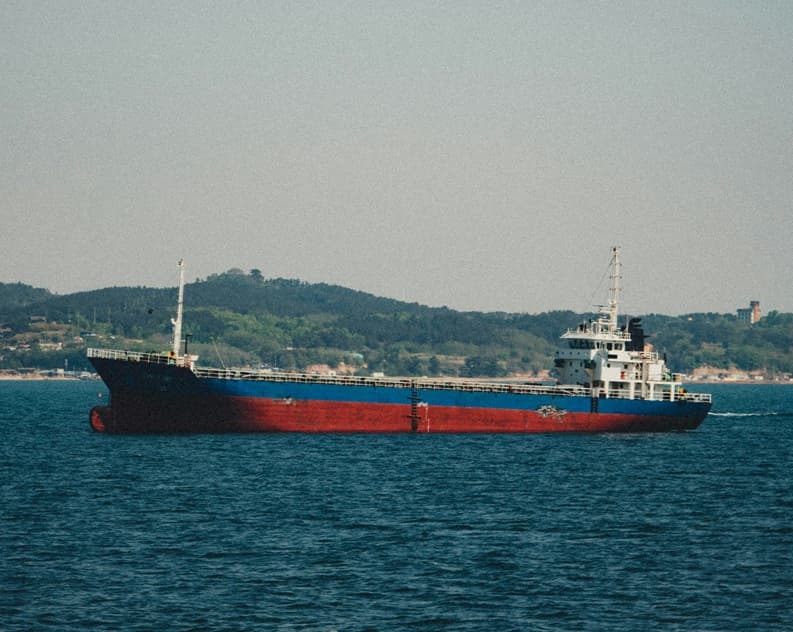
Back in the 1970s, it was the oil crisis that paved the way for cooperation between Europe and the Soviet Union. With the closure of the Strait of Hormuz, Russia can now reduce discounts on the price of its crude oil. Although Brussels, at least for the moment, does not seem willing to ease restrictions on gas imports.
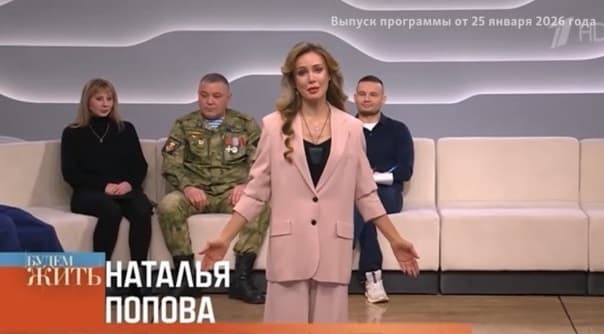
According to an estimate released in December and immediately withdrawn, 250,000 people have returned from the war in Ukraine and are now looking for work. For them, the TV channel Rossija-1 airs the program Budem Žit, “We Will Live Again.” There is a risk of a repeat of the situation in the 1980s, when the “Afghans” were a long-standing unresolved problem in Moscow.
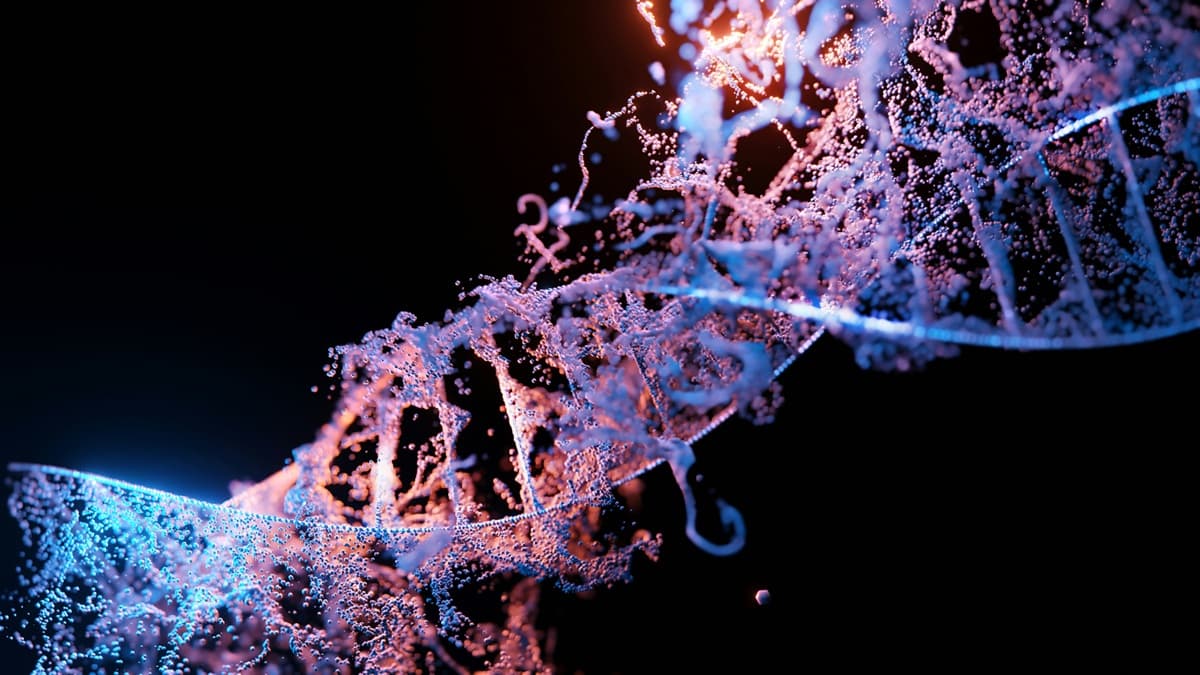
The Russian president visited the annual Forum showcasing the fruits of the labour of researchers and scientists. From synthetic chocolate to portable devices for reading genetic codes, the sovereignist path to the new ‘possibilities’ of tomorrow's world.
The peoples of the world are tired of war. Pope Leo XIV's appeals for "humanity to advance towards a genuine and lasting peace" are multiplying, but these calls are heard in very different ways in the various regions of the world devastated by neo-imperial conflicts.
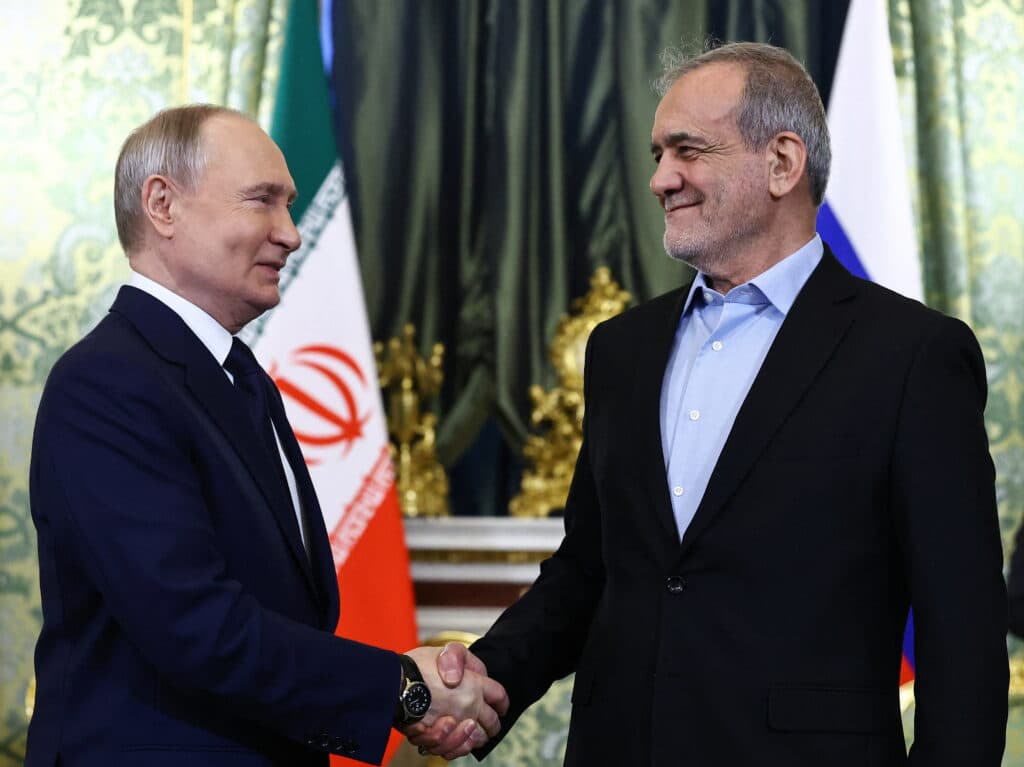
While the outcome of the negotiations between Iran and the United States appears uncertain, analysts are questioning the impact of the new Russian military supplies to Tehran. These systems are unlikely to shift the balance of power in play, and Moscow would have preferred not to divert them from the Ukrainian front. However, they serve to ease Iranian irritation over the limited support provided, despite the “strategic partnership.”
Subscribe to the newsletter to receive verified news, analysis and insights from Asian countries every week.
Subscribeto the newsletter