The clash over reforms and Ukraine’s future
What will happen to Kyiv’s economy when the war ceases to be the main obstacle, whilst its consequences – labour shortages, destroyed infrastructure, the need for capital and security risks – remain?

What will happen to Kyiv’s economy when the war ceases to be the main obstacle, whilst its consequences – labour shortages, destroyed infrastructure, the need for capital and security risks – remain?
According to a study by the Economic and Social Commission for Asia and the Pacific, the region is rapidly aging. The declining workforce and the spread of the informal economy risk accentuating existing inequalities. But greater investment in care services could create millions of jobs and new opportunities for inclusive development.
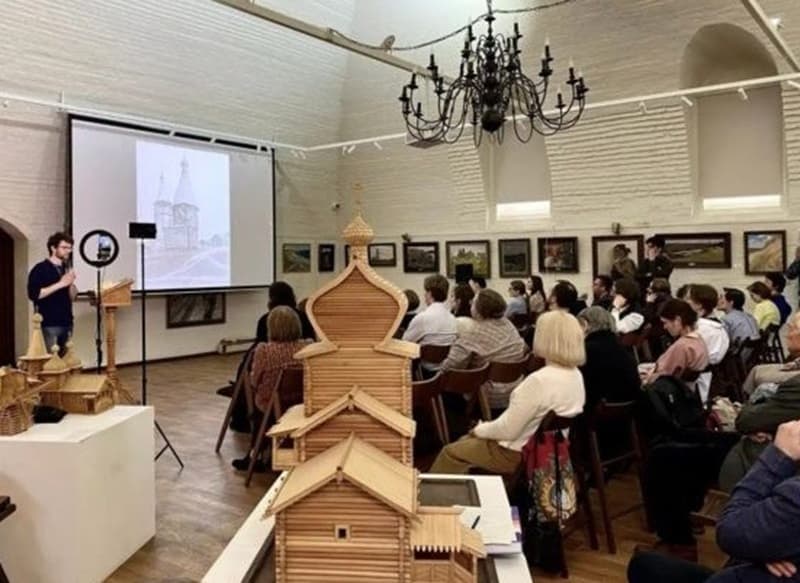
Over the course of nearly twenty years, a project led by Orthodox volunteers has restored more than 200 churches and chapels built entirely of wood in the characteristic style of traditional rural communities. Among them is the Church of the Ascension of the Lord in the village of Pijala in the Arkhangelsk region, founded in 1654 and standing a full 45 metres tall.
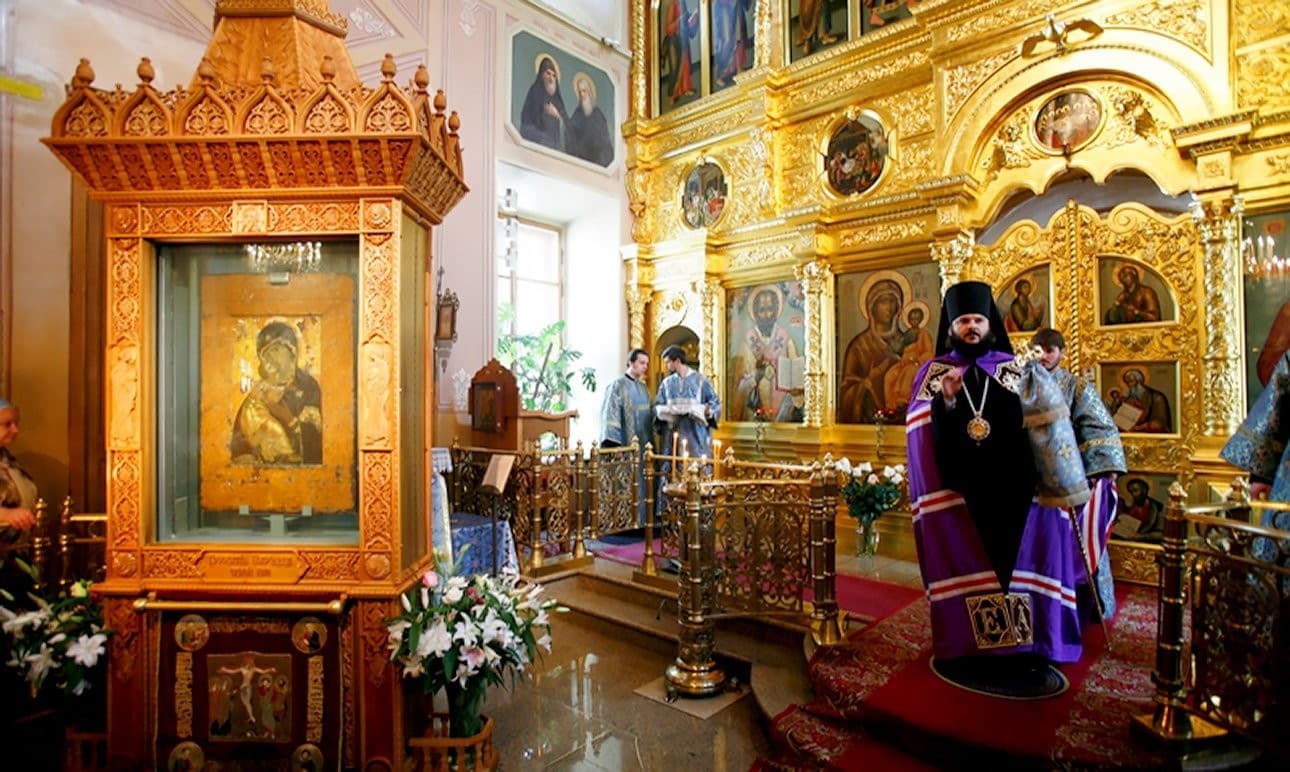
On extraordinary display in the Cathedral of the Holy Saviour, the icons of the Mother of God of Vladimir, also known as the ‘Madonna of Tenderness’ (Umilenije), and the one known as Donskaya are both symbols of Russian victories. They hark back to the great confrontation between East and West that gave rise to Rus’, and has continued to underpin the various ideologies in power in Russia to this day.
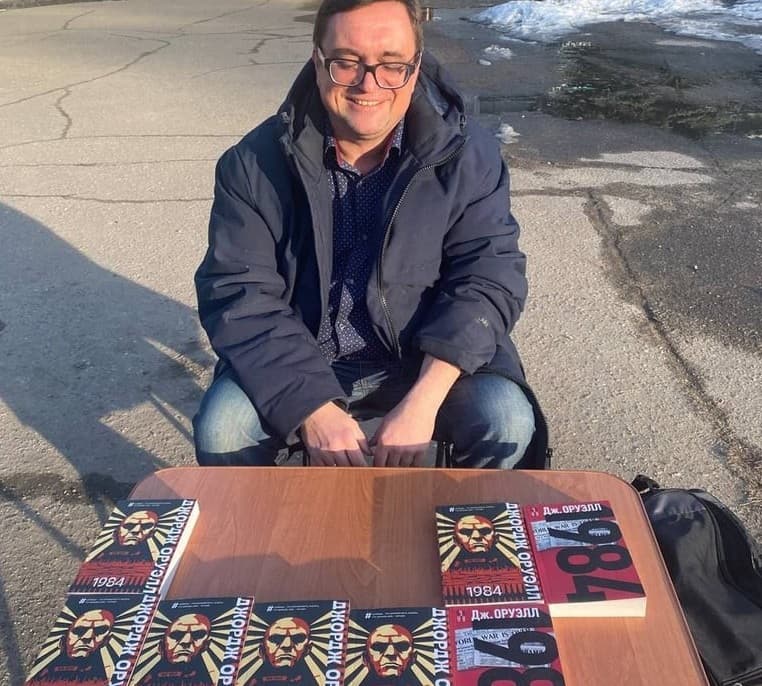
Faced with the crackdown on Moscow bookshops and publishing houses aimed at removing from circulation novels, essays or even literary classics now deemed “subversive”, some individuals are setting up small private libraries to share their books. People gather and talk about the war, without mentioning Ukraine, but by reading stories that would otherwise be impossible to find anywhere today.
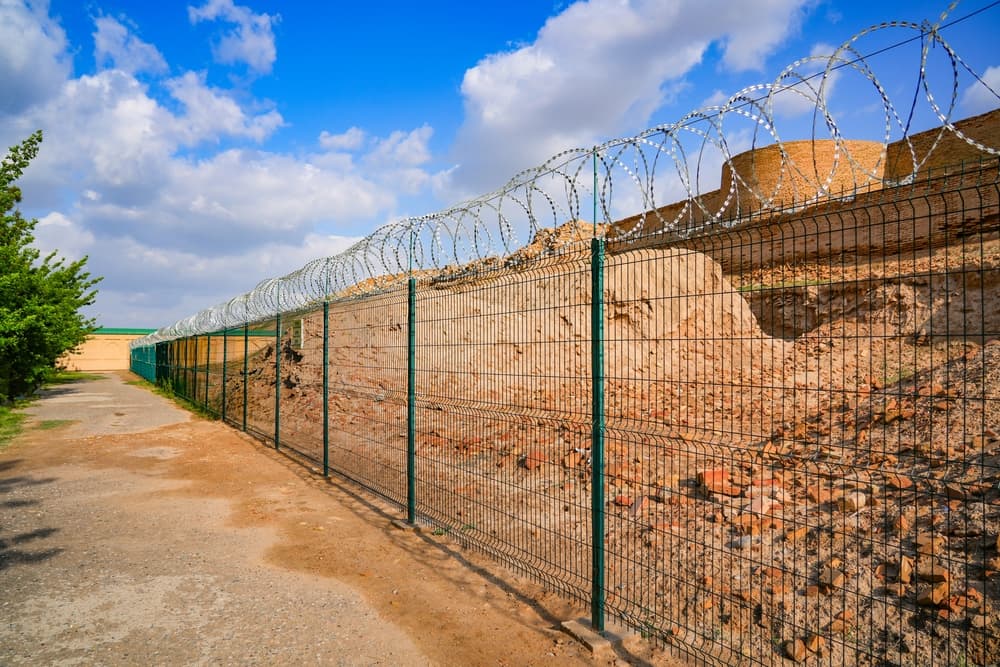
In Tajikistan, a summit of border agency heads from the Commonwealth of Independent States (CIS) addressed the repercussions of instability in Afghanistan. Cooperation has been strengthened to combat infiltration by terrorist and extremist groups of an Islamic fundamentalist nature.
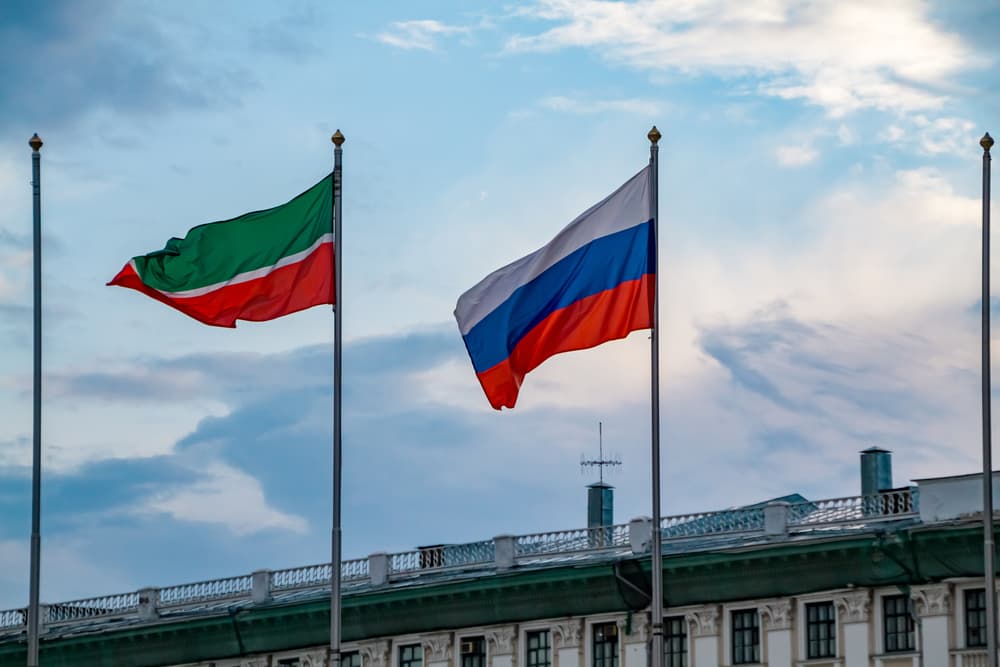
The Russian republic of Tatarstan in the Urals is historically a region with strong autonomist tendencies, boasting its own highly active lobby group in Moscow. Although it must now contend with Putin’s centralism and has had to make some concessions on the language issue, it has nevertheless retained significant economic advantages which it has no intention of relinquishing.
Russians were promised a high-tech future. What they got instead is a form of total control, not authoritarian, but totalitarian, reflecting the Kremlin's definition of “the sum of technologies”, namely missiles and drones, as well as surveillance and monitoring equipment.
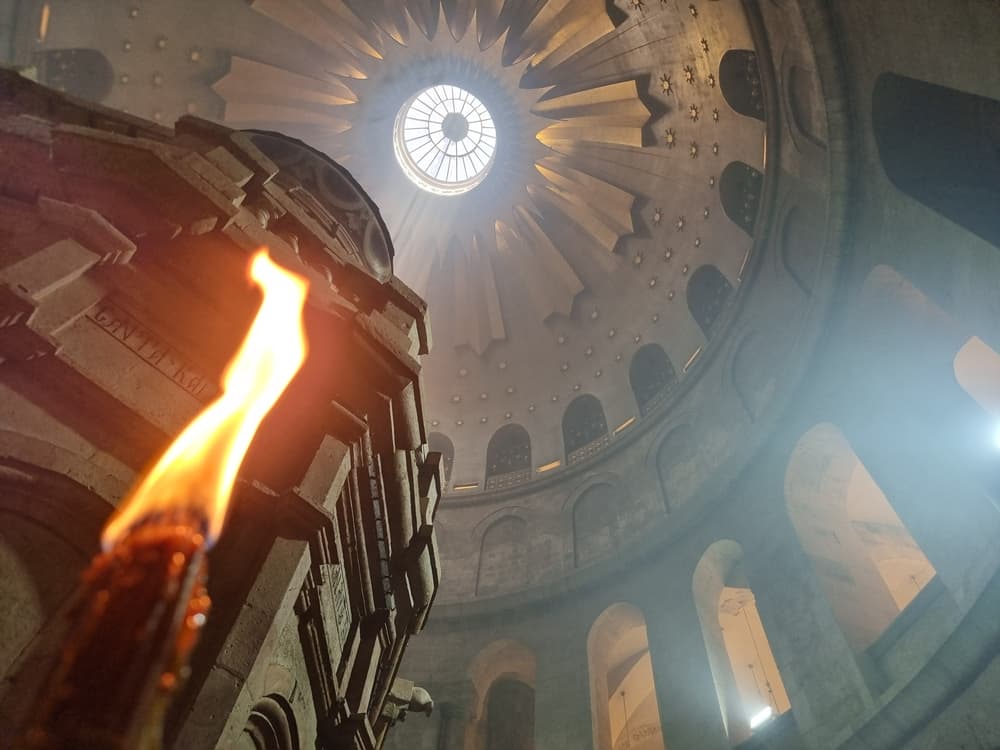
Following the Holy Week celebrations of the Latin Rite Churches, Saturday the 11th will mark the lighting of the Paschal flame, which Orthodox Churches spread throughout the world from the Holy Sepulchre. There is tension over the restrictions imposed on places of worship by the Israeli government. A situation viewed with apocalyptic tones even in Moscow, where in recent years this rite has become central to asserting its primacy.
A Russian online platform is currently broadcasting a series of documentaries entitled ‘The Living Word’, dedicated to great figures of Orthodoxy who were killed in the years following the Bolshevik Revolution. These figures remind us that one can give one’s life for ideals that unite religious faith, evangelical charity and love for one’s homeland – not to destroy the enemy, but to build a new world.
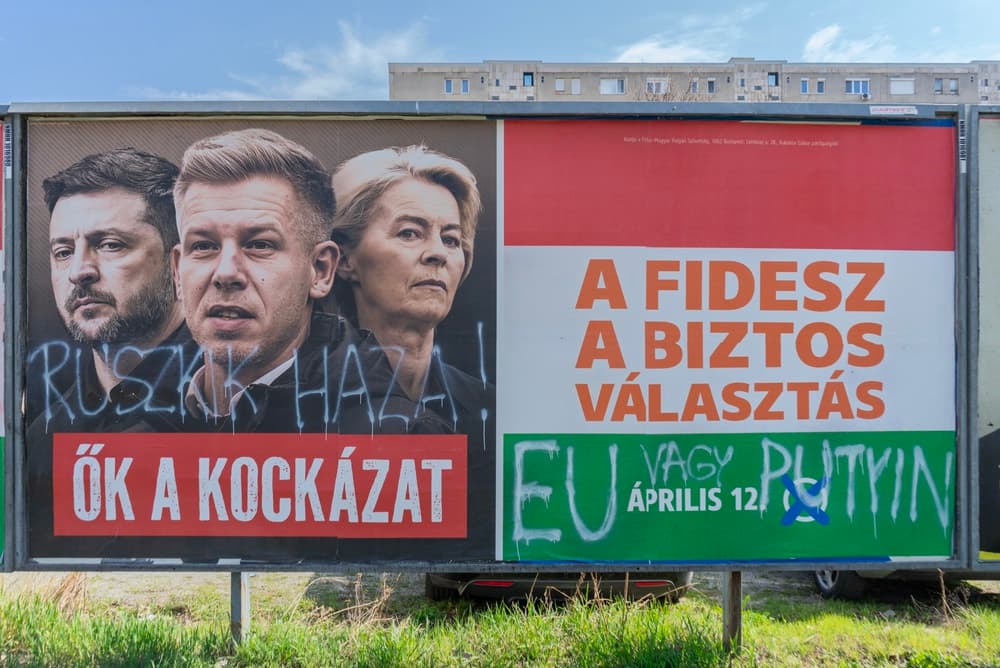
For the first time, in the upcoming elections on 12 April, Viktor Orbán appears at risk of defeat by his opponent, Peter Magyar. This is drawing particular attention from Moscow, which has so far regarded him as its main ally amongst the countries of the European Union. And Putin has tasked his most trusted adviser with closely monitoring this election.
Russia’s “foreign agents” register currently contains over 1,200 individuals and more than 1,500 projects, organisations and titles of various initiatives. Some have managed to have their names removed by striking deals with the authorities to save their businesses and reputations. But there are also those who find themselves on the list without even knowing why.
Earlier this month, a series of laws came into effect aimed at changing not only the behaviour but also the outlook on life of Russians. Works such as Pushkin's The Bronze Horseman, Gogol's Dead Souls, and Chekhov's satirical tales have been banned from schools because they are "unacceptable for a correct understanding of traditional values."
Subscribe to the newsletter to receive verified news, analysis and insights from Asian countries every week.
Subscribeto the newsletter