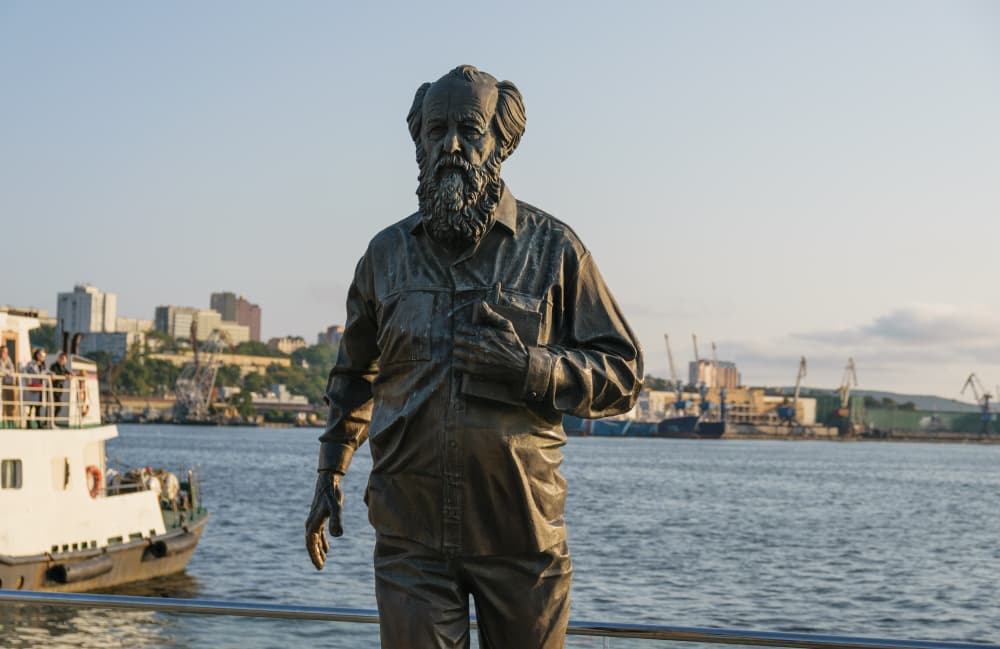
Moscow (AsiaNews) – Radio Svoboda journalist Aleksandr Podrabinek describes the new measures on “traditional values” using the Russian term mrakobesy, the “dark devils”. Obscurantists are demons who live in darkness, and “to be precise, they are members of the Moscow Duma who are trying to plunge the entire country into darkness, poisoning those around them with the venom of hatred and stupidity”. On 18 November, they passed at first reading a bill on administrative liability for disseminating material that discredits “traditional Russian spiritual and moral values”.
“Nobody knows” what these values mean, Podrabinek asserts. There is no law clarifying these concepts: there is only a presidential decree listing 17 values, including service to the motherland and responsibility for its fate, the primacy of the spiritual over the material, a strong family, collectivism, the unity of the peoples of Russia, patriotism, civic responsibility and, of course, creative work. For the time being, only video material will be covered by the article, and this will apply solely to administrative liability – in other words, fines will be imposed: for individuals, ranging from 10,000 to 150,000 roubles, and for organisations, from 3,000 to 5 million roubles.
Facing no resistance from public opinion – which has now been silenced – the authorities will continue to tighten the law, and in time administrative detention will be added to the fines. Any distribution of visual material – texts, songs, photos, drawings – will fall under the provision, and subsequently the provision will be transferred from the Code of Administrative Offences to the Criminal Code. Even public speeches and private conversations will fall under this provision; initially, penalties will be minor, but later people will be sent to prison for real, for serious offences and for long periods.
Law enforcement agencies will have another universal tool for political repression at their disposal: guilt will be determined by intuition, assumptions and impressions. Flexible and ambiguous wording will pave the way for mass repression, and the more Russian society submits to legislative arbitrariness, the tighter the government will tighten its grip. Podrabinek points out that “we have already been through all this: with the laws on elections, on demonstrations and marches, on political parties, and we remember what happened with the laws on foreign agents”. In 2012, the term ‘foreign agent’ appeared in an amendment to the law ‘On Non-Commercial Organisations’; there were no penalties, only registration. Then, gradually, it was the turn of political parties, which were forbidden from collaborating with foreign agents; the media, which were deemed to be foreign agents; and, finally, individuals. Numerous new restrictions were introduced, and the article of the Administrative Code was transferred to the Criminal Code.
Almost all “foreign agents” complied with these laws, trying to save their own skins by submitting reports to the Ministry of Justice; they bore the shameful stigma of Roskomnadzor and declared their status everywhere. Some justified their actions by claiming to be law-abiding, whilst others ‘saved’ their businesses by believing they could compromise on minor issues for the sake of their greater future. Now the bill targeting those who discredit spiritual and moral values is the subject of criticism from all quarters, but ‘the price of all this publicity is zero; it has no effect on the dictatorship, which fears neither criticism nor those who protest in words, but which demands obedience in deeds’.
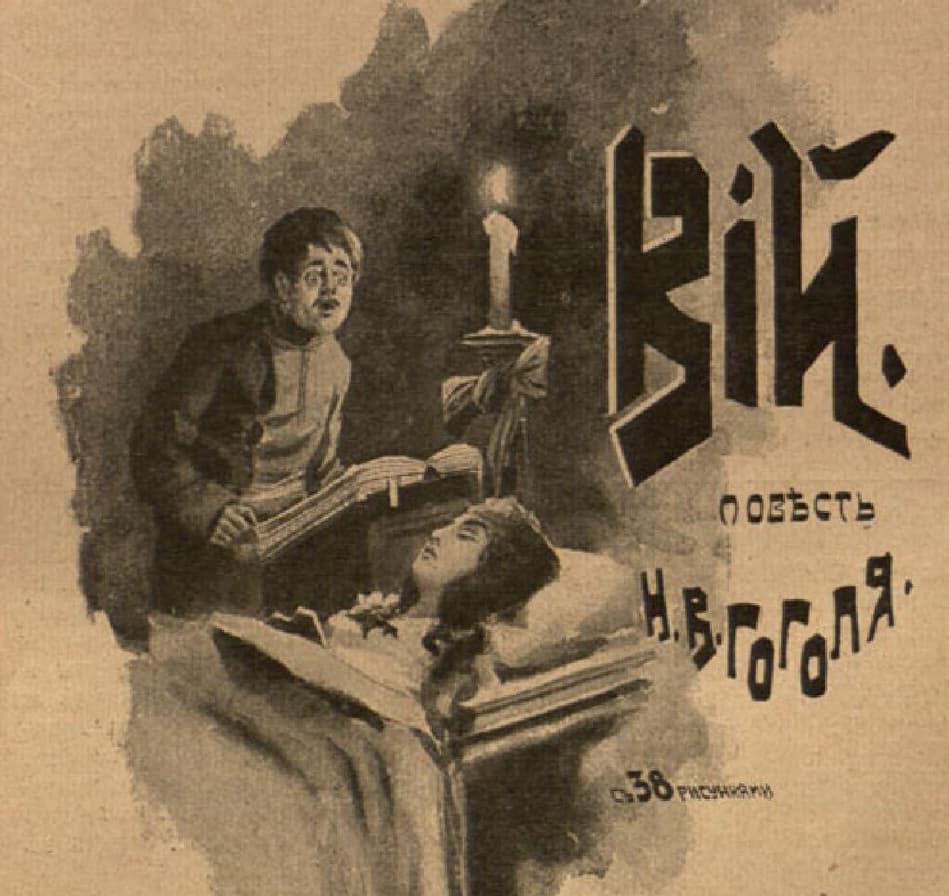
To prevent this obscurantist law from being enacted, Podrabinek recalls the character Khoma from Nikolai Gogol’s short story Vij, a philosophy student who, to protect himself from evil spirits, drew a circle around himself: “In the same way, we should protect ourselves from obscurantism with a public declaration of refusal to obey this law”. For now, it is merely a draft bill; until the law comes into force, until repressive practices are firmly established, it is not yet too risky, and at present they can only hit people in the pocket, but “then it will be too late, and the cost of resistance will have risen out of all proportion”.