Russia

Featured article

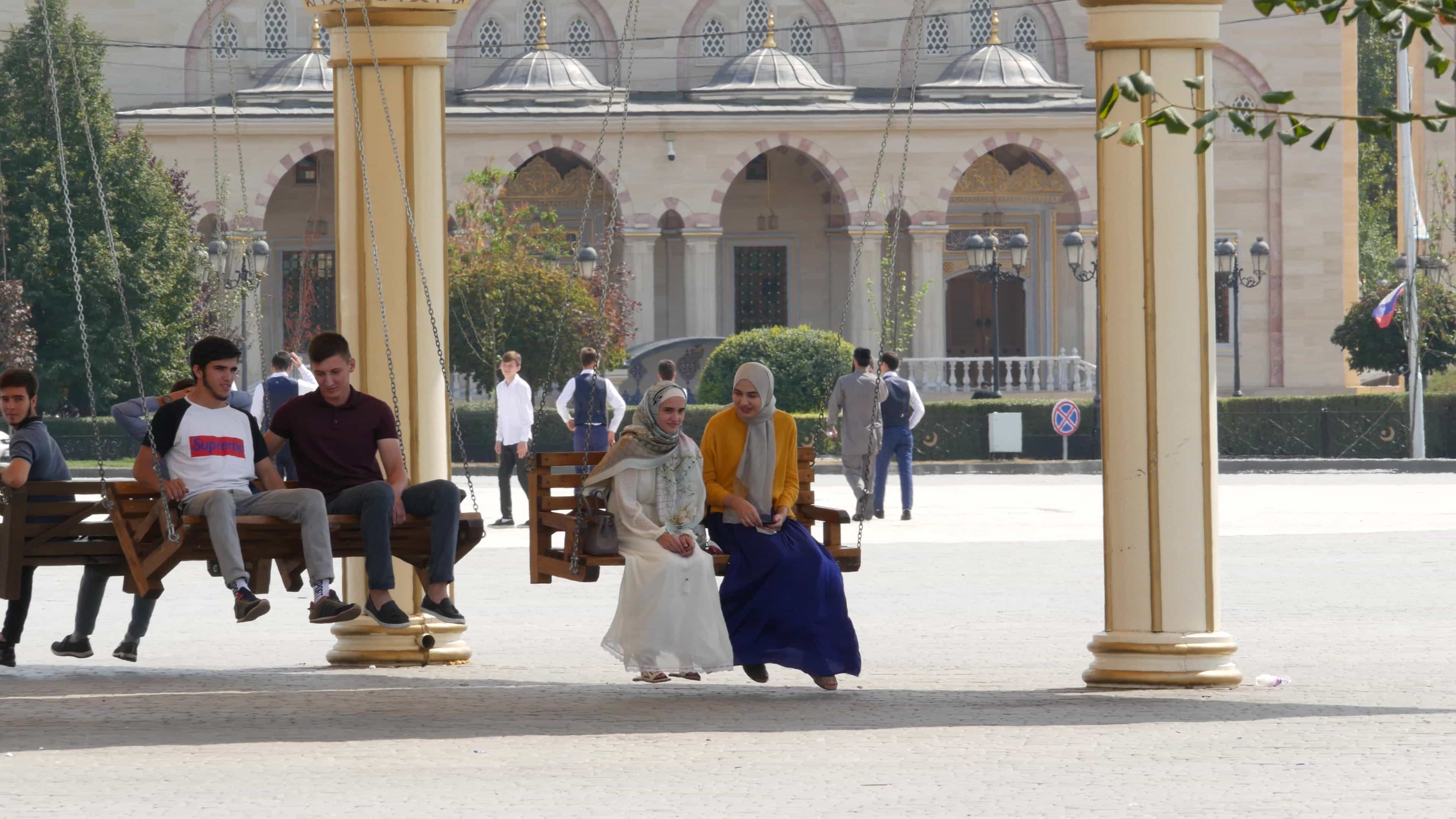
Conflicts and solidarity in post-Soviet North Caucasus

Despite much wrangling over borders or cultural heritage in the face of tragedy, the people of Chechnya, Dagestan, Ingushetia and North Ossetia are coming together to search for the missing or raise funds for the victims of natural disasters. Because their shared history prevails over old grudges.

  • Two hundred years of revolutions in Russia

    The Decembrist revolt on December 14, 1825 saw army officers and intellectuals in favor of liberal reforms attempt to seize power after the sudden death of Tsar Alexander I, only to be crushed by the repression of Nicholas I. An icon of the recurring alternation between “system” and “revolt,” regime and anarchy, in the parable of Russian history.

  • Religion in Russian politics

    Putin's new national policy strategy also addresses the issue of religion, further strengthening the role of the Orthodox Church. It places extremist terrorism and “Russophobia” in interethnic and interreligious relations on the same level as “threats”.

  • Muslim migrants pray in the streets of Russia

    The debate among Russians over Islamic rituals in public spaces in the absence of sufficient places of worship is becoming increasingly heated. Muslim religious authorities reiterate their recommendation to choose places where other people are not disturbed. But in the growing climate of hostility towards communities from Central Asia, there is no shortage of violent raids against Muslims at prayer.

  • Moscow's black oil in the white Arctic

    Over the last three years, Russia has invested almost one and a half billion dollars in the development of the Northern Sea Route. The goal is to increase traffic from the current 38 million tonnes to 220 million by 2035. However, the extreme weather conditions, the archaic ships and, above all, the toxic fuel used make this ambitious project a decidedly risky venture.

  • Trump's peace plan for Ukraine assists “ally” Putin

    2025 does not mark the end of wars, but the division between the dictatorships of East and West. The new Russian language dictionary relaunches visions of democracy and autocracy in official ideology. The speciality of Witkoff and Dmitriev, architects of the truce “project”, is counting money and dividing the spoils. The clash over language and the issue of coexistence between Orthodox Churches.

  • Lack of welcome and poor integration: Russians fleeing Crimea

    Around one million people moved there after the 2014 annexation from the northern regions, as well as Moscow and St Petersburg. Over time, difficulties in adapting have emerged, and many have decided to return. The cost of property and the lack of infrastructure, combined with the ‘Crimean mentality’, weigh heavily. Of the 10 Russians who have arrived in recent years, only two on average stay.

  • Boris Kagarlitsky and the dissent of Russia's last Marxist

    The 68-year-old Russian sociologist is one of Putin's most prominent political prisoners, but he was already one in Brezhnev's USSR. From prison, he says he feels freer to express his opinions. He is serving a five-year sentence for ‘justifying terrorism’ in reference to his criticism of the war. His health is deteriorating in prison.

  • A New East, from Central Asia to Jerusalem in reboot of “Abraham Accords"

    Baku is one of the first candidates to form a decisive link in this new chain. US interest in the post-Soviet region has increased since Russia's invasion of Ukraine. Washington wants to forge an anti-Chinese axis stretching from Israel to India. An economic, political and even military alliance to counterbalance the anti-Western axis of Moscow and Beijing.

  • Kremlin sociologist warns Russia at risk of civil war

    In an article, the head of the presidential administration for monitoring and analysing social processes condemns those who theorise about ‘a completely post-Russian state’. He announces the imminent approval of a new law on patriotic education, which will involve all organs of power, educational institutions and other social structures of the state.

  • Russian identity between patriotism and religion

    Believing in Russia does not automatically mean believing in God and religious dogmas, belonging to the Orthodox Church does not necessarily mean attending liturgical celebrations, and supporting “traditional values” does not automatically translate into accepting the dictates of the catechism.

  • The Russian Orthodox outpost in Norway

    In 2017, the parish priest of the Svjato-Onežskij cathedral on the Russian Arctic coast began negotiations with the Norwegian mayor of Vardø to build a Russian Orthodox chapel on the fishing island. But when the plans included an imposing 17-metre-high building in the middle of NATO's large radar installations, the city council refused to grant permission despite generous Russian offers of subsidies.

AsiaNews Weekly
News from Asia that matters

Subscribe to the newsletter to receive verified news, analysis and insights from Asian countries every week.

Subscribeto the newsletter
  • P.I.M.E. Centro Missionario
  • Agenzia Fides
  • P.I.M.E. Brasil
  • Radio Mondo
  • Mondo e Missione
  • P.I.M.E. U.S.A.
  • TV 2000





